
How California’s Central Valley can uphold the principles of the Equal Rights Amendment | Opinion
This week, our nation took a historic step forward after President Joe Biden declared the Equal Rights Amendment to the Constitution “the law of the land” before leaving office, officially recognizing it as the 28th Amendment. As a long-time resident of our vibrant city and an advocate for fairness and equality, I feel immense pride witnessing this long-overdue milestone. This achievement marks a moment of collective progress for all Americans, affirming our shared values of justice and opportunity.
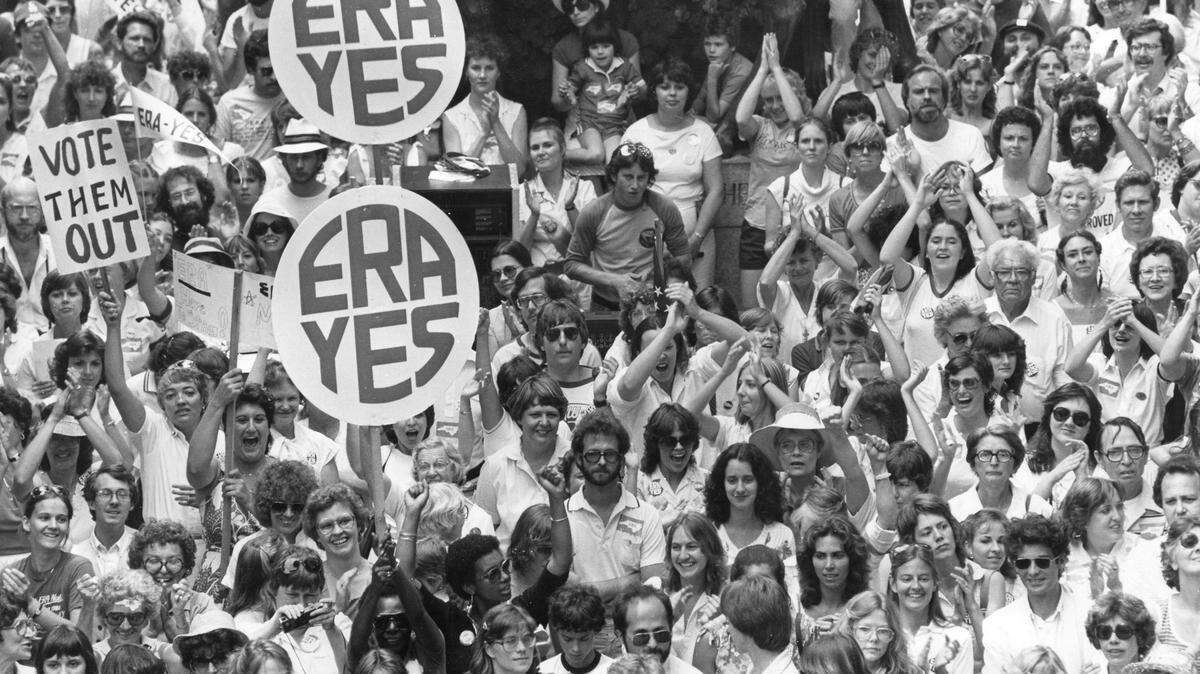
The journey of the ERA has been a long and winding road. Initially authored in 1923 by suffragist Alice Paul, the amendment sought to ensure that “equality of rights under the law shall not be denied or abridged by the United States or by any state on account of sex.” After decades of advocacy, Congress passed the ERA in 1972, sending it to the states for ratification. At the time, a deadline was set for its adoption, and while 35 states ratified the amendment, it fell three states short of the required 38.
However, the fight did not end there. Advocates and lawmakers persevered, reigniting the movement in the 21st century. Nevada ratified the ERA in 2017, Illinois followed in 2018 and Virginia became the crucial 38th state in 2020. With these victories, legal and procedural hurdles remained, but continued efforts cleared the way for the ERA to finally become officially recognized this past week.
The implications of this ratification are significant: The ERA guarantees that gender equality is a fundamental right under the law, providing a clear and enforceable constitutional standard. This means that laws and policies that discriminate based on sex will face stricter scrutiny, paving the way for stronger protections in areas such as equal pay, workplace discrimination and access to education.
Beyond these legal protections, the ERA’s ratification may also bring about broader cultural shifts. By affirming equality at the highest level of law, the amendment reinforces the importance of addressing disparities, encouraging communities to reexamine outdated norms and practices. For example, institutions and organizations may feel a renewed sense of urgency to adopt policies promoting fairness and inclusion. This can lead to better representation in leadership roles and greater opportunities in key sectors like agriculture, healthcare and education — industries that are vital to the economic and social fabric of Central Valley communities.
The ERA’s ratification also has profound implications for women’s leadership in the Central Valley. By establishing gender equality as a constitutional right, the ERA lays the groundwork for systemic changes that can help break down barriers for women aspiring to leadership roles. Local governments, nonprofits and businesses may feel greater accountability to implement mentorship programs and leadership pipelines that specifically target talented women, potentially resulting in increased representation of women in decision-making roles, from city councils to school boards and agricultural cooperatives.
Empowering women leaders not only enriches our community with diverse perspectives, it also inspires young girls in the Central Valley and throughout California and the nation to envision themselves as future leaders, knowing that they are supported by a society committed to fairness and opportunity for all.
Additionally, the ERA enhances the United States’ credibility on the global stage. Many nations have already enshrined gender equality in their constitutions, and this milestone aligns our country with these global standards. It demonstrates to the world that America is committed to upholding fairness and fostering a society where everyone’s contributions are valued.
Importantly, the ERA’s impact extends beyond women by promoting equality for all individuals, ensuring that everyone — regardless of sex — is afforded the same opportunities and protections. This milestone strengthens our democracy and sends a powerful message to future generations about the importance of fairness and dignity for all.
As we celebrate this achievement, let us also reflect on the collective effort it took to get here. The ERA’s ratification is a testament to the power of persistence and collaboration. It is a testament to the belief that progress is always worth pursuing, and a reminder that when we come together — as neighbors, communities and a nation — we can achieve extraordinary things.
In our own city, I encourage us to continue fostering conversations about equality and inclusivity. Let’s ensure that the principles of the ERA are not just words on paper, but are reflected in our workplaces, schools and community spaces. Together, we can build on this legacy and create a future where everyone’s potential is realized without barriers or bias.