
Robert McGrew: Four pitfalls of measles anti-vaccine movement
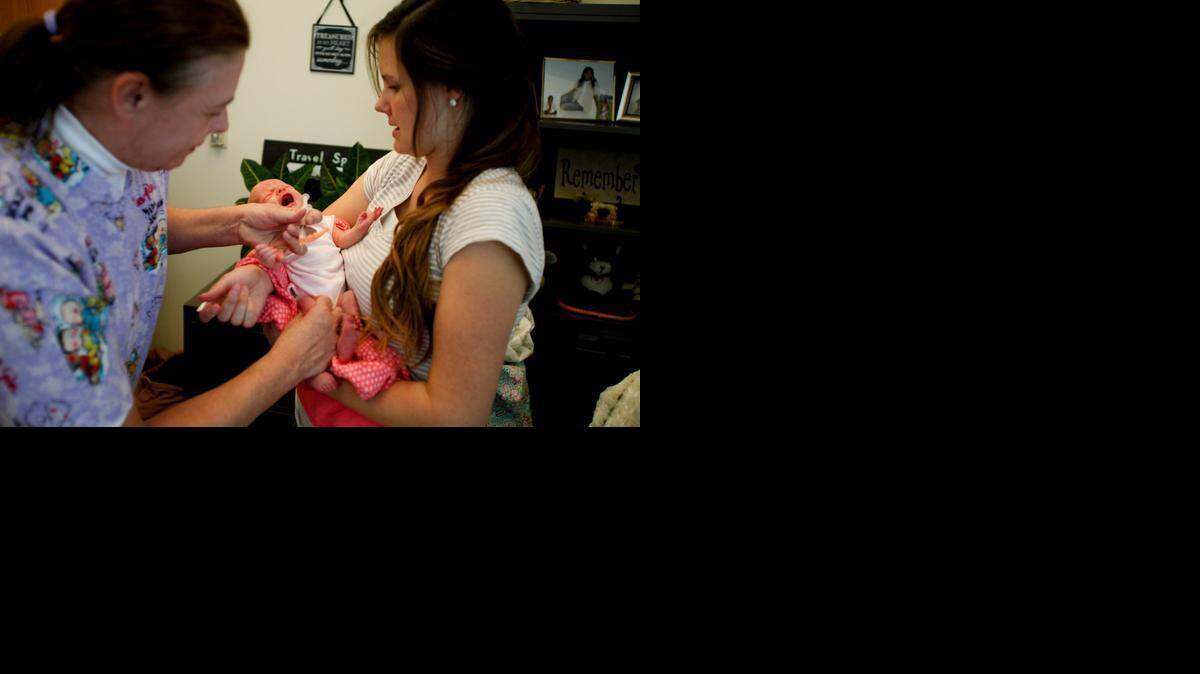
The article “Anti-vaccine movement draws flak” (Jan. 23, Page A1) about those who “opt out” of measles vaccinations for their children reminded me of why I became a family doctor. I chose family medicine to help prevent illness and save lives.
Immunizing children against measles certainly is one way to accomplish that. Yet I’ve spoken with several parents over the years who preferred not to vaccinate their children, with unselfish motivation: They wanted to make an informed decision about what was best for their children. I respect their motives, but strongly disagree with their decisions.
I’ve found most parents’ objections to immunization relate to four reasons.
First, the measles vaccine has simply worked too well in our country. As The Bee’s article pointed out, there had been virtually no infections in the U.S. since 2000. Most parents of young children have never had measles, or even known anyone who had this severe infectious disease. It is hard for them to comprehend how much damage it can do.
I’m from an older generation. One of my earliest memories is of my brother and I lying in our bunk beds for a week, burning with fever, covered with red spots.
Measles (the medical name is rubeola) affected almost every American before the measles, mumps and rubella, or MMR, vaccine became widely used in the 1970s. It is still common in developing countries where vaccines are not widely available. The World Health Organization estimates there were 164,000 deaths worldwide from measles in 2008.
This virus is extremely contagious. About 10 to 12 days after exposure to the germ, the infected person usually gets a fever, runny nose and cough. The fever can often peak at 105 degrees. Children often feel pretty miserable during this stage, as you can imagine.
About 30 percent of measles patients have one or more complications, including ear infections, diarrhea, pneumonia, brain inflammation (encephalitis), blindness or, in the worst cases, death.
Before an effective measles vaccine became available in 1963, there were 3 million to 4 million cases annually in the U.S., claiming from 500 to several thousands of lives. By 1983, only about 1,500 cases had been reported in the country – a testament to the vaccine’s effectiveness. By that time, millions of measles infections and thousands of deaths had been prevented by the widespread use of the MMR vaccine. Even after I tell parents these facts, they often remain unconvinced.
The second reason for not immunizing is because some parents believe the body will be stronger if allowed to handle infections “naturally.” The potential ravages of measles should persuade any reasonable person that such a course is unwise.
A third concern is that the risks of side effects outweigh the benefits of immunization. Today’s parents often lack accurate information about the true risks of infectious illness. Additionally, there is no emotional understanding of these risks, because they often haven’t experienced measles. Parents might be more likely to believe Internet claims that the risks of the measles vaccine are high and its benefits are small.
The fourth objection to the MMR vaccine is a concern that it can cause autism. This allegation dates back to a scientific paper published in 1998. The lead author, Dr. A.J. Wakefield, alleged the vaccine might have been responsible for the development of autism in 12 children. He claimed the measles vaccine, in particular, caused brain damage. However, his research could never be reproduced by other researchers. Further, it was later found Wakefield did not disclose that he was being funded by lawyers seeking evidence against vaccine manufacturers. The author was disciplined and the scientific publication retracted the article in 2010.
More than 20 research projects since 1998 have shown no connection between the MMR vaccine and autism.
For accurate information on the measles vaccine, as well as other immunizations, I refer parents to the Centers for Disease Control and Prevention (www.cdc.gov/measles/vaccination.html) and the Immunization Action Coalition (www.vaccineinformation.org). On my medical group’s website (cornerstonefpmg.com) you can also find a series of short videos on common immunizations, including measles.
I join children’s doctors across the country in recommending that parents protect their children, and the community around them, from the severe infectious disease of measles by making sure they are vaccinated.
McGrew is a doctor in Modesto. Contact him at columns@modbee.com.
This story was originally published January 27, 2015 at 4:01 PM with the headline "Robert McGrew: Four pitfalls of measles anti-vaccine movement."