
Roger Bales: How Lima climate talks will impact Central Valley
When more than 190 nations met in Lima in mid-December to negotiate and shape the contributions they will make to reduce the world’s carbon emissions, the result was mixed.
Regardless, the 20th session of the Conference of the Parties, or COP20, places increased importance on the ability of areas of the world with the political and financial ability to reduce greenhouse emissions to do so, and to demonstrate the economic, social and environmental benefits of those making those reductions.
California is the place best equipped to do that.
The results in Lima are a glass half empty because they left a vague, four-page document that does little more than set the terms for what the parties will battle over at the COP21 summit in Paris in November.
But COP20 was a glass half full because all 196 member nations agreed to cut their rates of greenhouse gas emissions; and they did agree that cutting the amounts of greenhouse gas emissions will be on the Paris agenda.
California has set targets for reducing greenhouse gas emissions and increasing the amount of energy generated from renewable sources by 2020. And already discussions have begun about expanding the programs and making new goals.
The University of California has pledged to achieve carbon neutrality on its campuses by 2025, mainly through a combination of deep energy savings in buildings, using electricity from renewable sources and switching form natural gas to biogas.
These are no-regrets measures, and good foundations for further steps.
The Central Valley-Sierra Nevada region can be a site for more renewable energy, and its agricultural/forest byproducts can be tapped as feed stocks for biogas and/or electricity production.
These steps toward carbon neutrality for the state will create economic opportunities and jobs – just as California’s environmental programs have in the past helped create jobs and spur investment in clean technologies.
The essential message about climate change remains relatively simple and unambiguous. It can be summed up in five statements comprised of a total of 10 words: It’s real. It’s us. It’s bad. Scientists agree. There’s hope.
▪ It’s real in that both the increase in atmospheric carbon dioxide and other greenhouse gases and their effects on warming the planet have been documented for decades.
▪ It’s us because the increases in greenhouse gases are due mainly to extraction and burning of fossil fuels.
▪ It’s bad in that we are already seeing the effects of climate warming such as more extreme weather, rising seas, record-breaking heat and changes in our water cycle. It is doubly bad because our children will see even greater impacts.
▪ That scientists agree has also been known for decades, as was documented in the first report of the Intergovernmental Panel on Climate Change in 1990. That agreement has only gotten stronger in subsequent years.
▪ There’s hope because there will be a COP21, and because California is working toward carbon neutrality.
As a result of COP20 in Lima, countries around the world now fully understand that early in 2015 they must commit to ambitious reductions in climate pollution and bold measures to slow global warming. Only together can we – meaning the entire world – avoid the worst impacts of climate change, and we must for the sake of our children and future generations.
In doing so, we can at the same time chart a more sustainable future for the region.
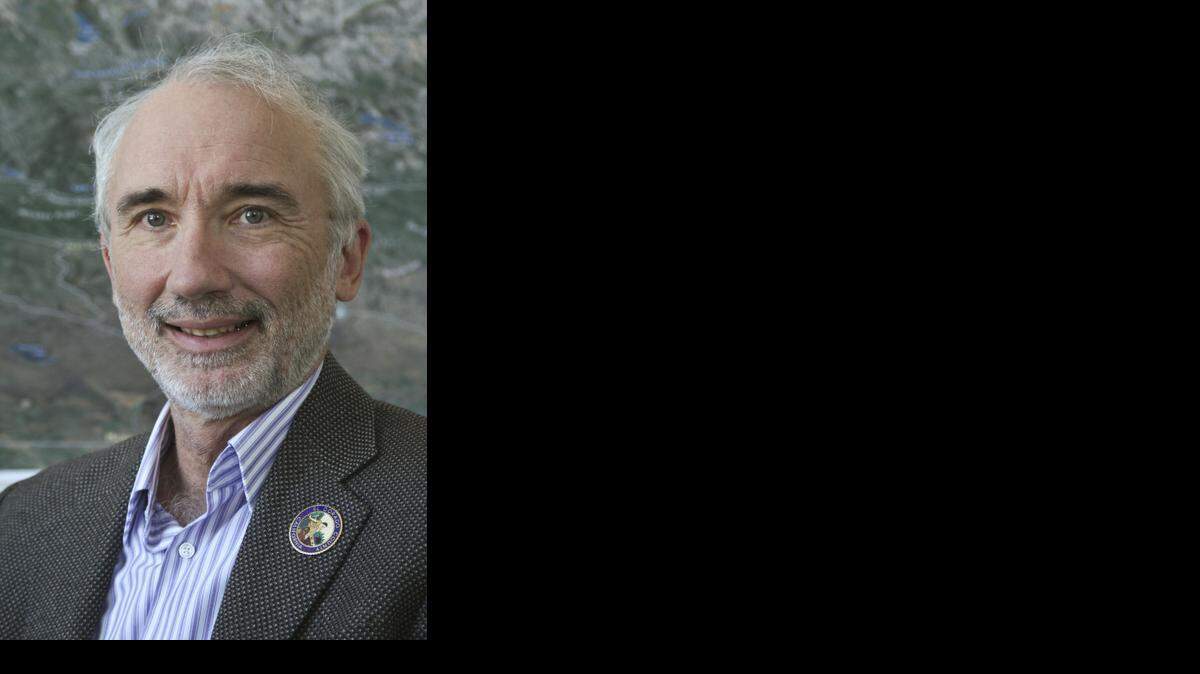
Bales is a founding faculty member at UC Merced and director of the Sierra Nevada Research Institute. He studies hydrology and is establishing a new UC-wide institute to research a sustainable water future for the state.
This story was originally published January 8, 2015 at 11:38 AM with the headline "Roger Bales: How Lima climate talks will impact Central Valley."