
Sights, smells and memories of Modesto in the 1940s
There were 11 of us. We lived in a big old ramshackle two-story house on F Street, near the train yard in Modesto. Eleven kids ranging in age from 2 to 17. My Aunt Dolores was a widow with eight children. My mother was raising my two brothers and me as a single parent.
The house on F Street was an old derelict. A few scabs of paint still clung in haphazard fashion to otherwise bare boards, screens were missing or torn, and where windows were broken, cardboard filled bare frames. The yard was hard-packed dirt with an occasional scraggly weed too stubborn to die. The house was, in many ways, like my Aunt Dolores — old before its time and hard-used, but honest, open and welcoming. I was 3 years old, and I was at home there.
Even without material possessions of any significant nature, my Aunt Dolores was loving and kind and generous to a fault. I remember transients coming to the back door and asking for a handout. Aunt Dolores would open a can of Campbell’s soup for each of them. I never heard her criticize these men, living off the charity of others little better off than they were. Something in her was compassionate in the most offhand, natural way. I am sure she never thought she had done anything that deserved gratitude. She just did it and then went back to what she was doing without so much as a backward glance.
I remember Sunday mornings. We all went to church. We walked the few blocks to the church building in our stiffly starched church clothes. In the mid-1940s, there was a sense of community in small towns like Modesto. We would pass other families doing the same things we were doing — walking to church, playing in sprinklers, choosing sides for a baseball game in the school yard. We could smell bacon frying and hear screen doors slamming as mothers called to children.
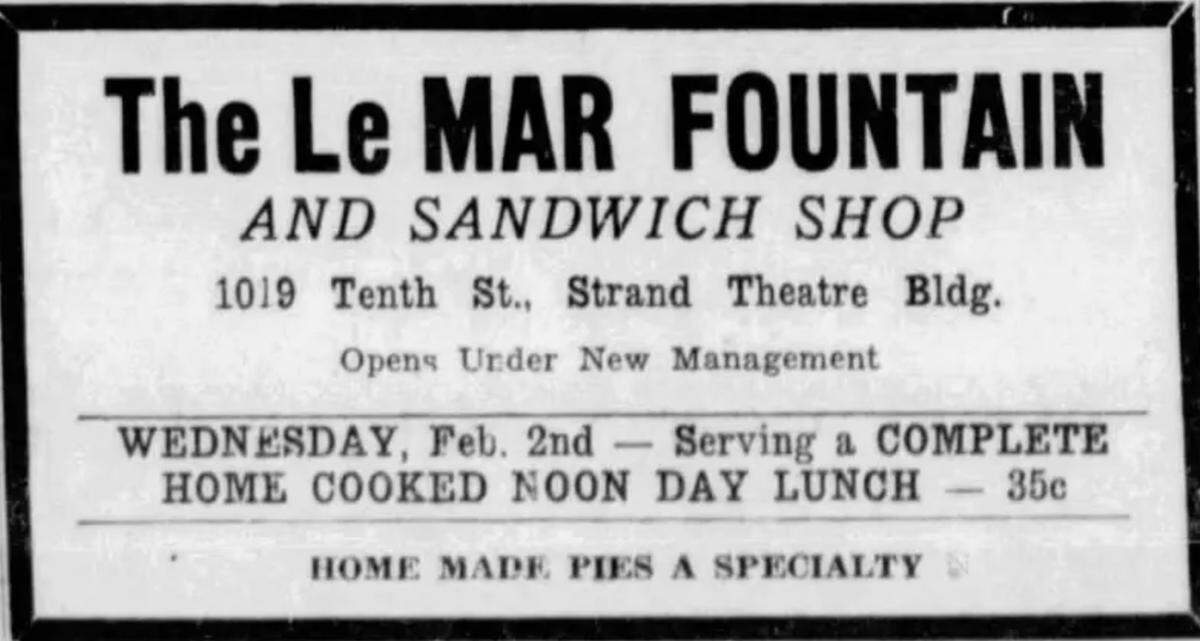
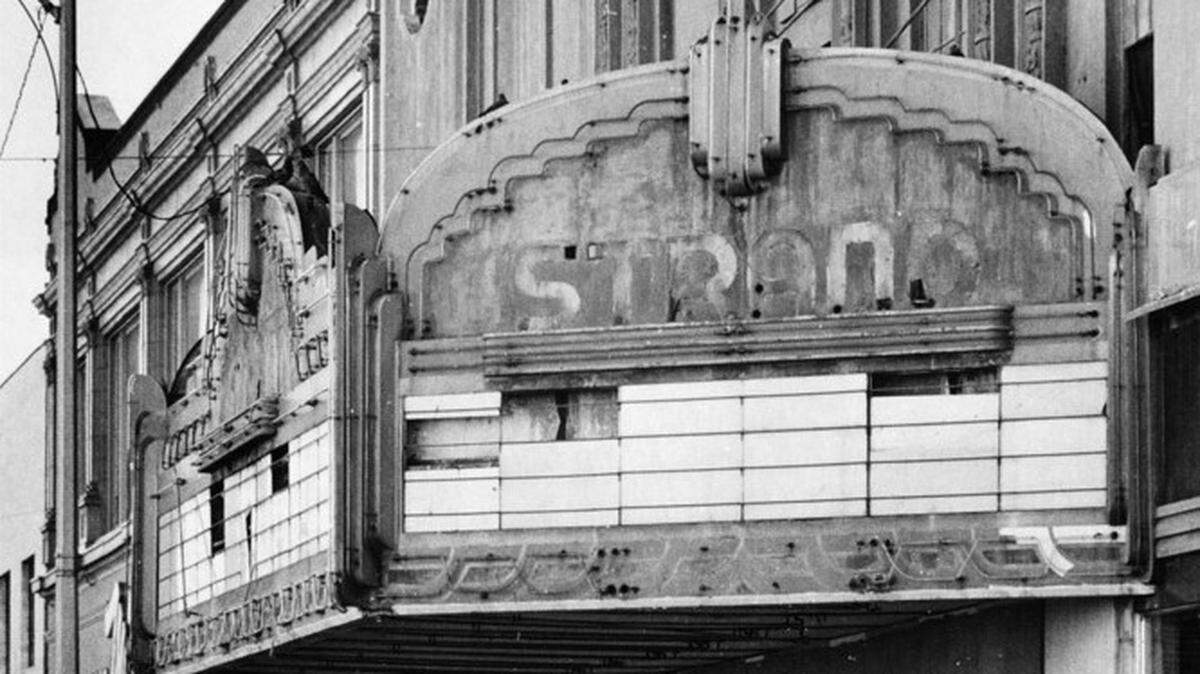
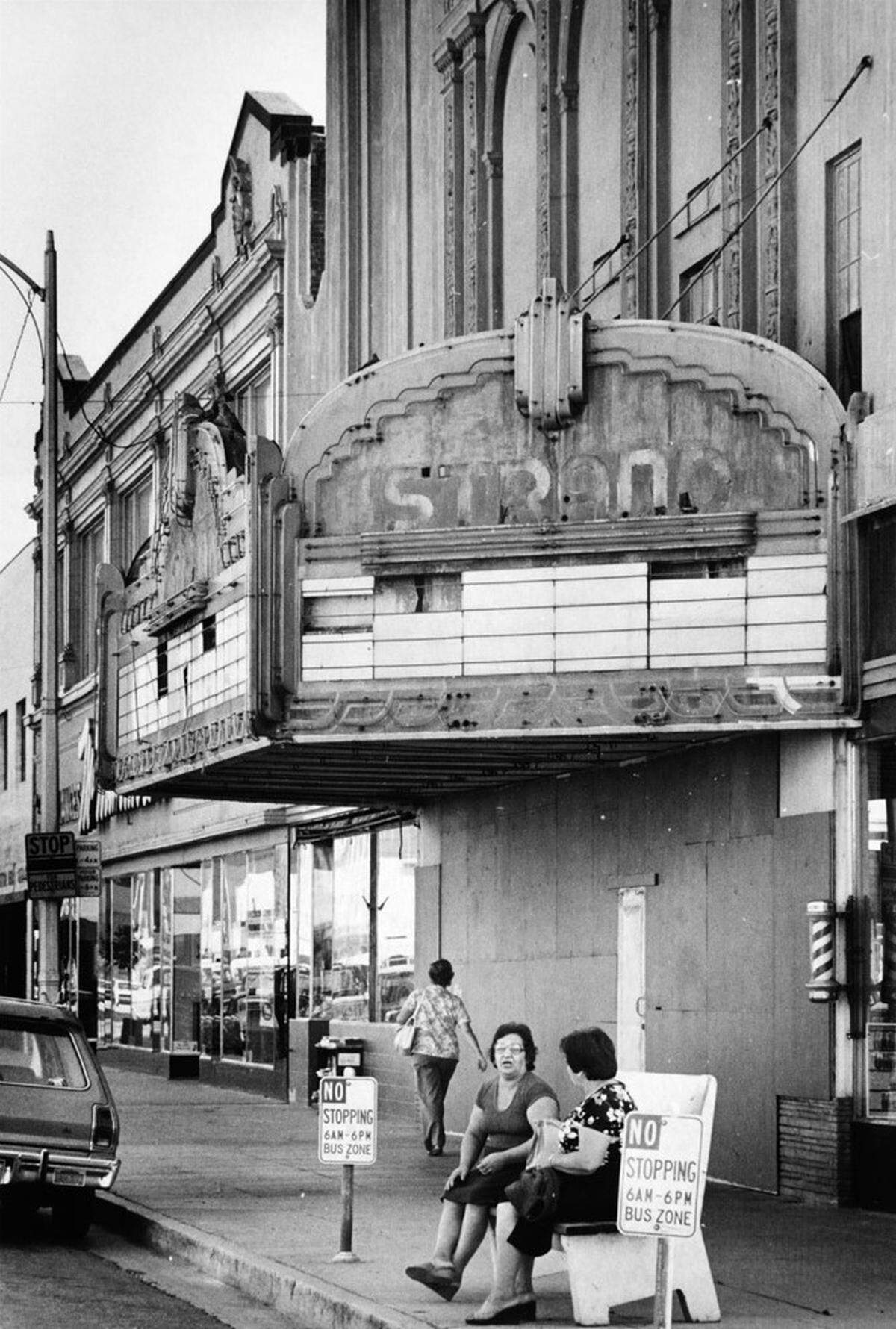
Looking back now, I realize we were very poor, dirt poor. My mother worked as a waitress and cook at the Le Mar restaurant next to the Strand Theatre on 10th Street. Aunt Dolores drew a pension from the railroad where her husband had worked, and she took in washing and ironing. But, 11 kids? And two single women? Yes, we were poor. But so was everyone else. And I remember no sense of lack or want. For 11 kids who roamed freely — it was almost impossible to get into trouble, it seemed — we were rich in all the ways that mattered.
Alvin was the self-proclaimed leader of the seven younger kids. I can still see him in the overalls that hung loosely on his stringy body, his blond hair sticking out in irritated tufts, his face dwarfed by the huge bandage covering a nose broken by the bat that sailed loose during a sandlot baseball game. He was everything a good leader should be.
One of the most elaborate schemes we carried out was a tunnel we dug from our backyard, under the back fence, under the alley, and into the junkyard that faced the opposite street. I remember how Alvin swore all of us to secrecy about the tunnel. When we were finished for the day, he would cover the entrance with a complicated camouflage of cardboard boxes, old feed sacks and broken peach crates.
I don’t know how the tunnel was discovered, but I do remember the day the police came to the door and talked to Aunt Dolores. The tunnel was destroyed.
For years, I fantasized about the tunnel. A part of me still does. While we were digging it, it seemed we could do anything. We were powerful. There was nothing we could not do. We could escape from the limitations of our world. The tunnel was ours. It was a way out. And a way back in, at a time of innocence and unlimited possibilities.

This story was originally published April 30, 2023 at 12:00 AM.