
Later school start times are not helping sleepy Modesto High students much | Opinion
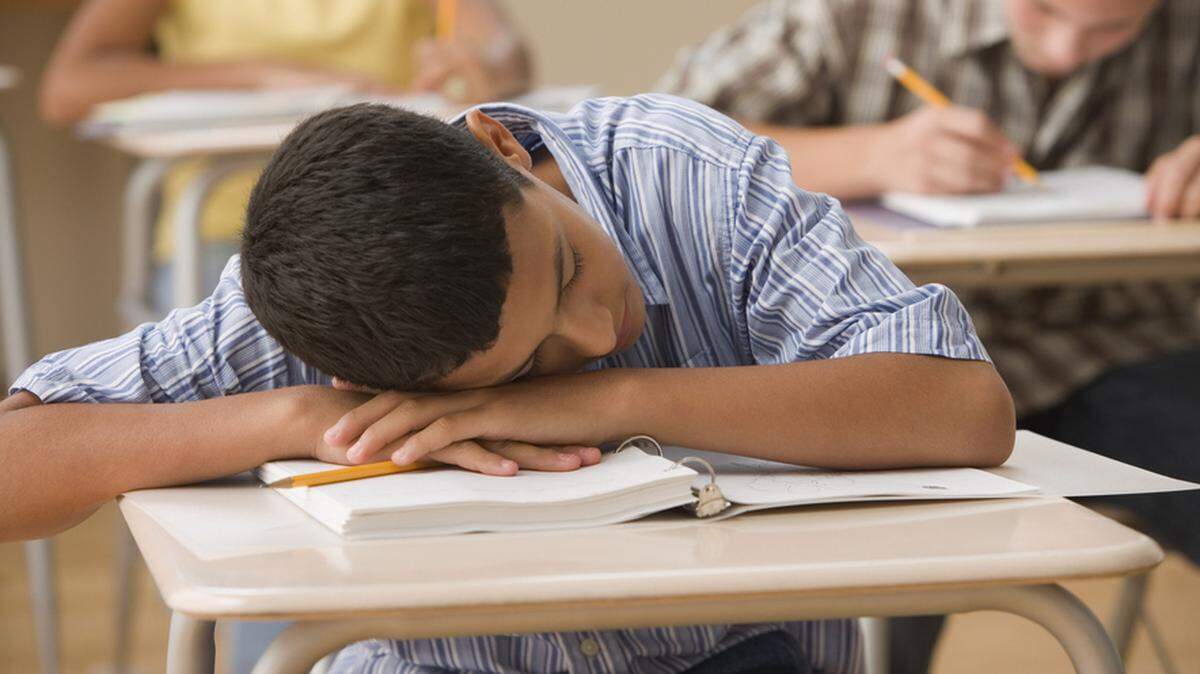
In a Google form survey of 600 Modesto High School students, 94% said starting school later has impacted them negatively, and a majority said they get less sleep now than before the change.
“I am an IB student who has no time after school to do sports,” said one student in a survey response. “I am spending my weekend trying to make this up as well as balancing my home and social life. While these are skills that we are encouraged to learn, this isn’t learning — it’s imposing a mental drain that isn’t providing proper work or learning conditions.”
Another student stated, “Although this new schedule has us enter school later in an attempt to give us more time to sleep, it had a negative effect on my sleep. Since we get out later, I have much less time to do any homework while the sun is still up, and any hobbies I used to do I’ve had to give up to make time to finish my homework since that’s basically all I can do with the time I have left. I actually end up finishing my homework much later than I used to because of this new schedule.”
Senate Bill 328, signed into law in 2019, requires all California schools’ mandatory class periods to start no earlier than 8:30 a.m. instead of the typical 7:55 a.m. bell for high schools in the Modesto City Schools district. Bill author Sen. Anthony Portantino and others believed that starting later would result in a net increase in sleep for middle and high school students and would “save lives.”
Extensive research suggests that starting school later increases student performance and the overall health of teenagers. However, it is crucial to understand that school days starting later will be helpful to students only if they end at their original times or earlier. Starting and ending later has created a series of issues for many students and families.
All MCS high school students have felt this change since the new schedule was implemented this school year. In this school district, first period begins at 8:30 a.m. and eighth period ends at 4:46 p.m. For those with a zero period, school starts at 7:24 a.m., leaving them close to a nine-hour school day.
Parents responsible for driving their child to campus have had to rearrange work schedules to accommodate the late start, or rely on others to take their child. The change also means later sport practices, later club meetings, later homework, and most importantly, later sleeping times.
The shift to more “developmentally appropriate times” lets students arrive at school only about 23 minutes later, on average. However, between accommodating sports, extracurriculars and more, many students are left with school days ending far past an extra 23 minutes. This does not even begin to account for the jobs, volunteer work, and family commitments students prioritize outside of school.
The new bell schedule has essentially created a domino effect. School starting later means that everything else must start later, which ultimately creates no net benefit in students’ sleep times.