
How best to guide Modesto’s future; advice from Farmland Working Group | Opinion
Modesto is one of three cities in Stanislaus County (also Turlock and Riverbank) updating their general plans. Modesto’s last update was 1995. The city of Modesto defines a general plan on its website as “a set of policies, maps, and other exhibits that will guide the physical development of the overall Modesto community to 2050.”
At their worst, general plan updates can be technocratic processes that lack transparency and are co-opted by developers, limiting input from residents and often resulting in general plans that don’t address deficiencies or reinforce strengths of a community, which can have an adverse impact on local municipal finances. At their best, updates are an inclusive, broadly scoped process that provides residents and the business community the opportunity to reimagine their community with a long-term timeline resulting in a positive impact on municipal finances.
Regardless of how well-organized and -executed general plans are, they have a direct impact on the fiscal health, safety and overall quality of life of a city for decades and warrant a high degree of public involvement and scrutiny.
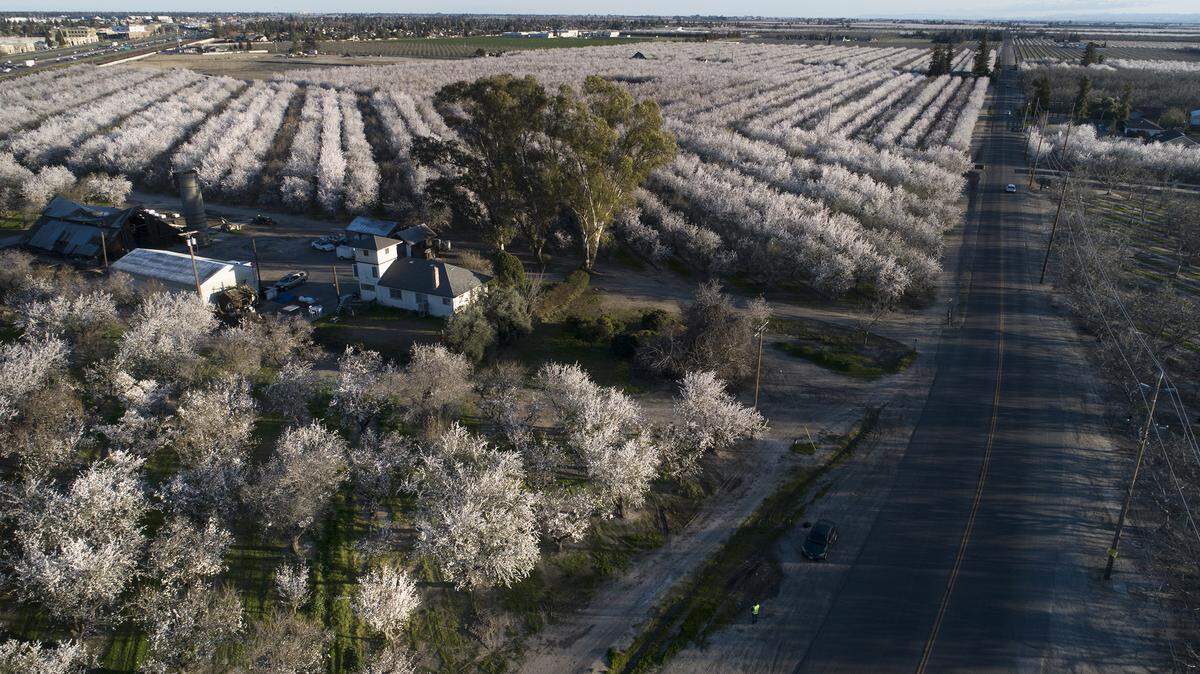
The first phase of Modesto’s public outreach is winding down. In the spring, city staff anticipates completing a set of land use alternatives that will be presented to the public based on public input and ongoing staff research. Thus far, the city should be commended for its extensive public outreach and willingness to reexamine old land use patterns that have paved over thousands of acres of prime farmland and put Modesto in a financial position necessitating tax increases and cuts to vital services.
Farmland Working Group is encouraged to see the explicit mention of prioritizing infill development and redevelopment, preserving agricultural lands that surround Modesto, and taking a targeted approach to any expansion that would largely center around industrial-zoned land needed by existing business. FWG concurs with the conclusion presented in the New Future(s): Opportunities for Economic Development whitepaper on the Modesto 2050 website in terms of what a fiscally responsible, implementable general plan update would resemble:
“It suggests a land use map that generally maximizes the infill potential of land within the city. Given the city’s relatively low supply of industrial land, these approaches would support opening some targeted areas for industrial development, along with associated transportation improvements, but they would be at a relatively small scale, tailored to the types of industries best suited to Modesto, and much smaller than needed for the large, land-intense warehouse development happening elsewhere in the region.
“The land use map would also need to support the features that make Modesto such a great place to live — plenty of open space, a vibrant and dense downtown that supports a healthy mix of uses, affordable and available housing, and the ability to easily get around and reach those destinations using a variety of modes.”
There are many benefits to promoting infill that can strengthen Modesto’s fiscal health, provide more affordable housing and increase the vibrancy of its downtown while not having a deleterious impact on our region’s agricultural economy.
As Modesto continues with its comprehensive update, the Farmland Working Group would encourage city staff and elected officials to provide more information regarding the damaging fiscal consequences of low-density residential development outside current city limits, communicate the enormous agricultural resources in Stanislaus County and the greater Central Valley, and reference our LAFCO-adopted farmland preservation policy.
Doing so will reinforce the conclusions made thus far regarding the direction of Modesto’s general plan update and also educate residents about the unique conditions of our region and the innovative public policies that have been adopted.