
Lessons learned — the hard way — from flawed government response to COVID pandemic
Now that the COVID crisis seems to have diminished it is a good time to evaluate the effectiveness of our responses. What have we learned? What worked? What was ineffective or only caused more misery?
Reflecting on our responses while our memories are fresh can help navigate a better future. Since February 2020 we have learned much.
We learned that the number of cases isn’t a good measure of impact. Many COVID cases are asymptomatic, some are severe and end in death. Initially there was no gauge of how many times a person might be counted as COVID positive, so the case counts may have been inflated. We don’t know. The data is not available.
We learned the PCR test was not designed for diagnosis and the amplification cycles were well beyond recommended thresholds. Not until early 2022 was the flawed PCR testing process addressed.
We learned that precise terminology matters. Hospitalizations and deaths “with” v. “from” COVID were obscured. CDC guidelines instructed hospitals to “assume COVID positive” even without a confirming test. We later learned that alcohol poisoning, gunshots, motorcycle accidents, and many other causes were counted as COVID deaths when COVID was clearly not the cause of death.
We learned that not everyone has the same vulnerability to COVID death or hospitalization. The elderly and those with certain comorbidities — obesity and diabetes, for example — were significantly more likely to be hospitalized or to die.
We learned that about 40% of COVID deaths were among those over 75 years old (U.S. life expectancy is 79 years) and 86% of COVID deaths were in people over 50 years, most with multiple comorbidities. We also learned that less than 0.05% of deaths occurred in children under 15, universally children with serious comorbidities.
With diverse responses globally and nationally, we now have comparative studies that show compulsory non-pharmaceutical interventions (lockdowns, school closures, masking) had an insignificant effect on COVID-19 mortality.
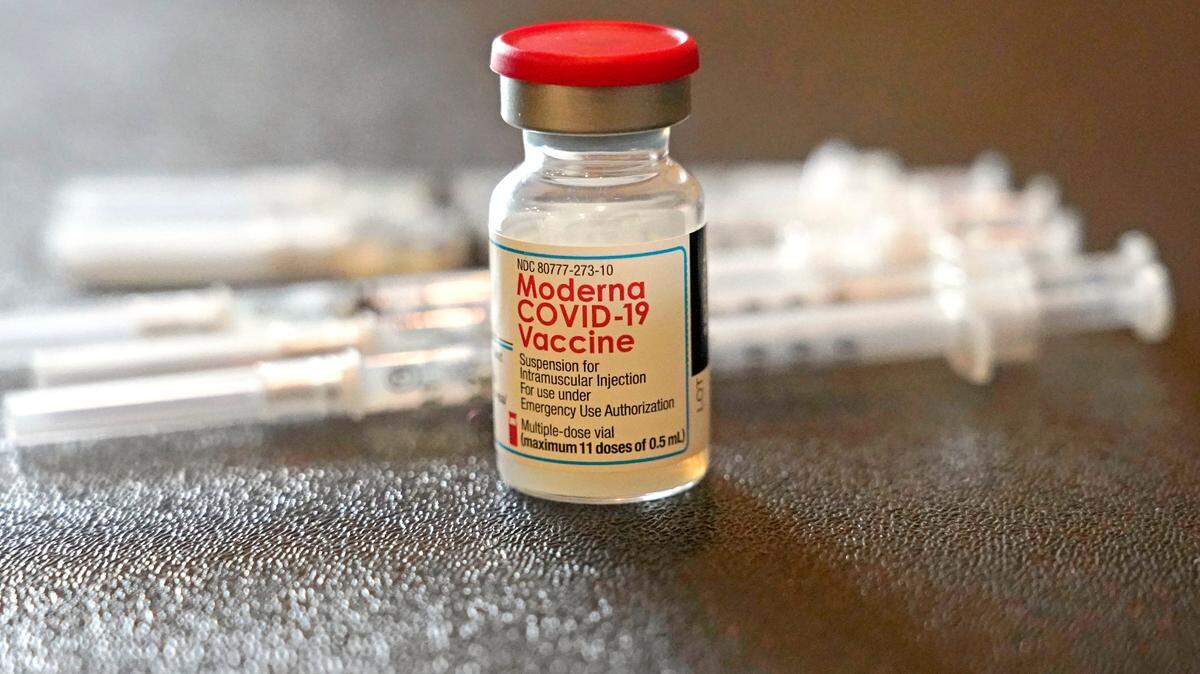
We now know the vaccines are effective at reducing hospitalizations and deaths, and we also now know they do little to stop infection or transmission.
After months of rejecting natural immunity, it is now acknowledged as robust and long lasting. Since natural immunity has been understood for hundreds of years, why was COVID natural immunity ever denied?
We know the immune system benefits of vitamins C and D3, zinc, magnesium, and of the effectiveness of early treatments. Our medical establishment should encourage their use rather than disregard them.
Financial incentives distorted treatments and reporting. Hospitals received additional payments for COVID diagnoses and for putting patients on ventilators.
Other questions needing investigation:
How many businesses were closed? How many declared bankruptcy?
How many people became unemployed?
Was there an increase in domestic violence?
Were there increases in drug abuse?
Were there increases in suicides and suicide attempts?
How many of our elderly spent their last days in isolation?
How many children fell behind in school? How many were psychologically damaged by fear and isolation?
How many people lost jobs because they declined the vaccine?
In coming years what will be the total economic and social costs of our flawed pandemic response? Will anyone be tracking this long-term cost?
Have we learned yet that open debate and transparency are better at finding solutions and truth than coercion and censorship?
We should also have learned broad government policies enacted in panic or in response to the mantra of “do something, anything” are prone to mistakes, with serious long-term consequences.
Can we learn from our mistakes? These hard-earned lessons must not be forgotten.