
Rooftop solar rules need work, but current proposal isn’t the right solution
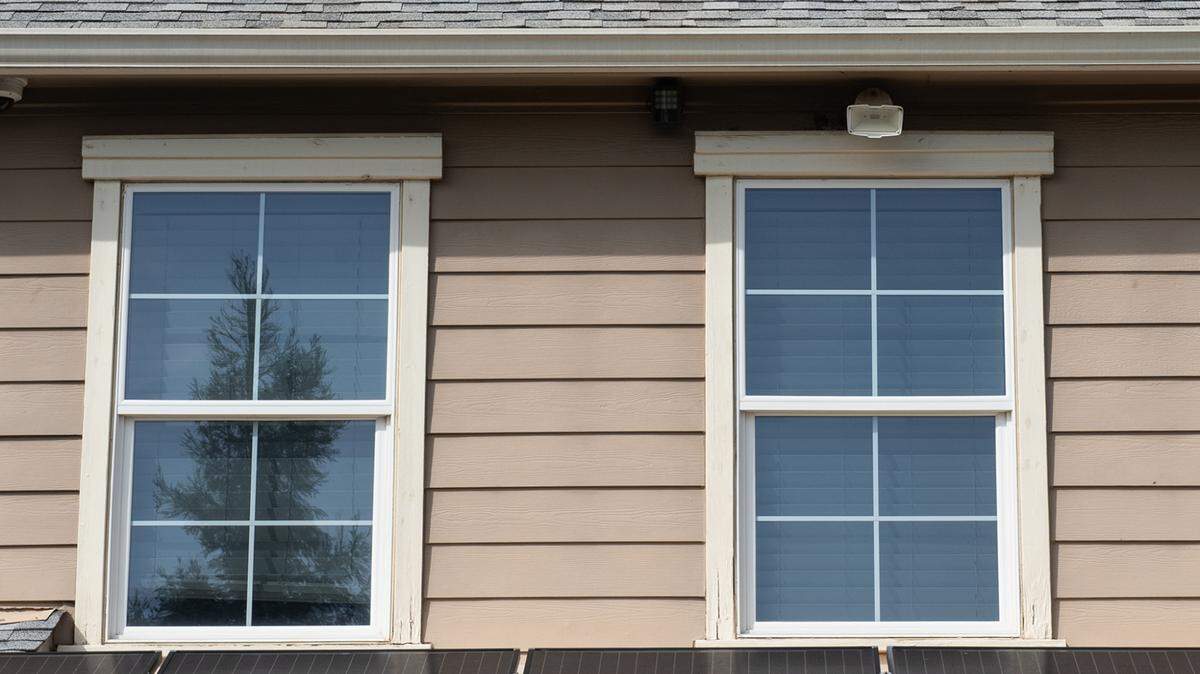
A controversial proposal before the California Public Utilities Commission would make home solar power installations less attractive.
Those of you who receive electricity from the Modesto and Turlock irrigation districts aren’t affected. MID and TID are public agencies that are generally not regulated by the CPUC, and we have our own solar rules — called Net Energy Metering 2 when adopted by MID in 2017.
Local solar installers were concerned that the NEM 2 programs would put them out of business. That didn’t happen. TID’s NEM 2 has attracted more than 1,700 installations, for a little over 21 megawatts of capacity. MID has around 4,300 NEM 2 projects, more than 27 megawatts.
One reason solar power is still attractive: federal government tax credits. They used to be 30 percent of the system cost; now they are 26 percent until Dec. 31, after which they will be 22 percent.
You must pay federal income taxes to benefit from tax credits. This system favors the affluent and discriminates against lower income folks. You can’t put a system on your roof if you are renting your home. The initial cost of systems is high, with a payback period that could be over 10 years. My family installed solar power in 2010.
Solar power tax incentives and utility programs are supported disproportionately by non-users, or all electricity customers who don’t have rooftop solar.
MID and TID are nonprofit public agencies. We adopted NEM 2 programs to make solar power incentives fairer to those who are unable to participate.
The solar power proposals before the CPUC from private sector utilities such as PG&E are more extreme than the NEM 2 programs adopted by MID and TID. They also would apply to existing customers 15 years after solar power installation. Those folks were promised a 20-year program. Cutting it off after 15 years would be similar to breaking a contract. That’s wrong.
A problem these days with solar power is occasionally there’s more of it than the system can handle. The Institute for Energy Research reported, “In 2020, CAISO (California Independent System Operator Corporation) curtailed 1.5 million megawatt-hours of utility-scale solar, or 5 percent of its utility-scale solar production because supply exceeded demand during the times solar power was performing.” Any programs encouraging solar power need to simultaneously incentivize battery storage to help avoid this problem.
MID pays customers 7.6 cents per kilowatt-hour for extra solar energy they supply to the grid. MID has signed contracts for energy from solar farms, with battery storage, at less than 4 cents per kilowatt-hour. The current NEM 1 program for private utility customers, such as those of PG&E, requires heavy support from non-solar users.
Still, the NEM 2 proposal before the CPUC is extreme in attacking the existing program. It would add a monthly grid charge as well as lower the price paid for solar energy fed into the grid. There would be significant incentives for combining storage capability with solar energy systems. That makes sense. However, proposing such an extreme change in rules for PG&E rooftop solar customers doesn’t make sense politically.
The proposal is on hold and will be reconsidered. I hope they come up with a better program that is fairer to non-solar customers while still incentivizing residential solar power.