
Bruce Frohman: Parking meters will serve only as detriment to downtown Modesto
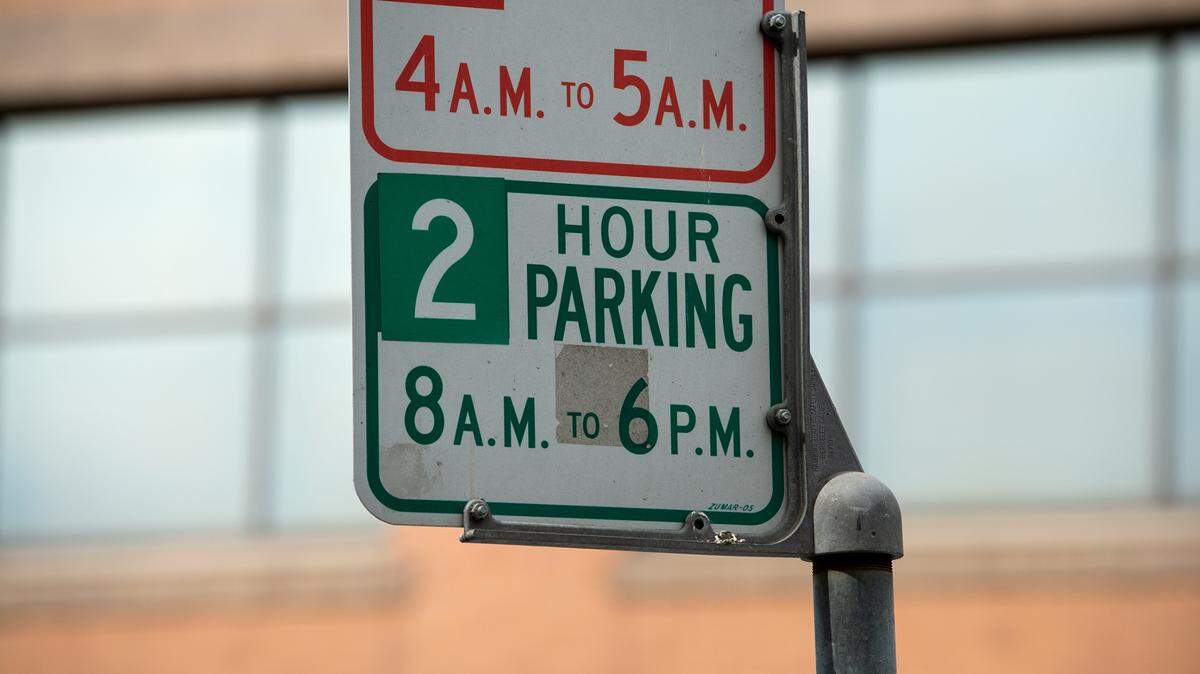
Every so often, the idea of charging for parking on the streets of downtown Modesto resurfaces. (“Shrug off naysayers, Modesto Council, it’s time for parking meters”, October 10, 2021).
Over 20 years ago, parking meters were removed from the downtown because the area had become blighted, with numerous empty store fronts and vacant buildings.
Nurtured by the City Council, the underutilized downtown is revitalized as an active and vibrant center of entertainment, commerce and government. As the economy of the downtown improves, the need for parking control seems more important, as evidenced by The Bee editorial.
However, the magnitude of the problem is presently insufficient compared to the harm reinstatement of a street pay-for-parking system would cause. If one looks at the usual parking congestion, the peak periods occur five days a week for less than six hours per day.
Some days, congestion is not a problem. Does the city need the expense of installing parking meters or kiosks for short periods of congestion? During the worst periods, a person may need to walk three blocks to conduct business.
Or, the parking garage is available. Installing parking control devices entails substantial capital outlay for equipment. Hardware must be maintained and repaired. Expect vandalism.
More enforcement personnel will be needed to issue tickets. Some won’t pay the tickets, so then the police will make arrests and get the courts involved. Modesto will instantly create big city problems in its parking system.
If the cost of parking control is inadequate reason to scuttle the idea, then what about adverse impacts to downtown businesses and inconvenience to the public?
Anyone who visits San Francisco by car knows what a pain their parking system is. If one does not have change for a meter, the space is unavailable to the law abiding citizen.
If the parking meter takes a credit card, one has to hope the meter is working; if the meter is broken, one cannot legally park in the space. If the credit card company computer server goes down, none of the meters can be used. What happens during a power outage?
Parking meters in Berkeley take awhile to figure out how to operate. One has to know in advance how much time is needed and then remember when the meter expires. Forget about having a leisurely visit free of worry. Having a good time and forget the expiration time? Pay a fine.
Portland has kiosks instead of parking meters. There, one stands in line waiting for the guy in front to figure out how to operate the kiosk. Plus, one first walks to the kiosk, then back to the car to place the ticket in an exact spot on the side window, and then one can finally proceed with his 15 minutes of business. What a waste of time.
The biggest negative of parking meters and kiosks is people curtail visits to places that have them; they can and will take business to places where controls do not exist. Thus, a coffee or sandwich shop located in the downtown metered area will lose business, possibly enough to shut it down. The same is true for antique and general merchandise stores. Merchants outside of the downtown will gain an unfair competitive advantage.
Revenue parking may shift congestion to neighborhoods just outside of the metered area. If one only has to walk three or four blocks to avoid the inconvenience and expense of pay parking, he will park as close in as he can without having to pay.
Advocates of revenue enhancing parking controls can pooh-pooh the concerns of downtown merchants. But when buildings start going vacant again, city leaders will suddenly realize the error in reinstating parking controls before securing the economic viability of the downtown.
Twenty years ago, while on the Modesto City Council, I suggested establishing a “J Street Shuttle”, to run between 9th and 15th Streets, around the downtown. The purpose of the shuttle was to enable better utilization of available area parking, to mitigate parking congestion during peak periods. At the time, the problem was not severe enough to justify the service.
Maybe, now is the time to try it? Downtown merchants might prefer to fund a shuttle to losing business.
This story was originally published October 31, 2021 at 5:00 AM.