
Regardless of schools’ mask policy, how to fight COVID with better nutrition and PE
On July 12, the California Department of Public Health announced its universal mask policy for K-12 schools. Regardless of the public’s view on this policy, the decision begins to unmask the hypocrisy of the department as well as the education system.
Many have heard that in just over 5% of COVID-19 deaths, COVID was the only cause of death on the death certificate. But a study found that physical activity is “associated with reduced odds for hospitalization, ICU admission and death among patients with COVID-19.”
Of 599,543 COVID deaths reported by the Center for Disease Control, 303,523 deaths also included hypokinetic (low-activity) diseases such as heart disease, obesity and diabetes on the death certificate, all of which can be mitigated by physical activity.
CDC guidelines for youth recommend 60 minutes of activity per day. Children and adolescents should engage in vigorous aerobic activity, muscle strengthening and bone strengthening at least three days a week, the CDC says.
But only 23% of children meet the physical activity guidelines. Rather than focusing on promoting long-term health in our children, our education system and public health continue to steer clear of long-term preventative solutions. This is evident in the lack of education for our students and the lack of emphasis on recreation, especially in areas that need it the most.
One could argue that it is the parents’ responsibility to educate their children on physical activity and nutrition, but nearly 80% of adults are not meeting the physical activity guidelines for them. They include at least 2 1/2 hours a week of moderate activity or 1 hour 15 minutes of vigorous activity per week, including muscle strengthening.
If the statistics were reversed — with 80% of adults and children meeting physical activity guidelines — would the pandemic have been a pandemic at all? “It is well documented that regular exercise-induced adaptations enhance the effectiveness of [the] immune system.”
The education system has yet to invest in a long-term solution.
At one local district, graduation requirements include four semesters (two years) of physical education. Yet, PE classes are 50 minutes or less, falling short of the daily recommended 60 minutes, and even that instructional time is used to take roll and complete book work. It comes as no surprise that only one in four adolescents are actually reaching the recommended physical activity guidelines.
Health education requirements are a measly one semester. Some students are able to finish this in a four-hour online summer course.
Nutrition makes up one of six units in a health class. It comes as no surprise that the general population struggles with deciphering different macronutrients and the recommended amount of each. Our students are completely in the dark when it comes to micronutrients and their health benefits. For example, there is a link between Vitamin D deficiency and an increased risk of COVID-19 severity, yet that isn’t discussed in mainstream media or your everyday dinnertime conversation.
The emphasis for health education just isn’t there. We are not preparing our students to be autonomous, healthy individuals upon graduation. Coupled with poor financial literacy, our students do not have the skill set to exercise regularly, prepare healthy foods and budget for both.
We are so quick to mask up, but we aren’t willing to put in the time, effort and money to properly educate our society on how to prevent heart disease, type 2 diabetes and obesity and reduce the severity of symptoms from COVID-19, influenza or the common cold.
Rather than putting taxpayer dollars toward vaccine incentives, we should invest in long-term health of our communities, better health education, more recreation opportunities, and safer roads for cyclists and runners.
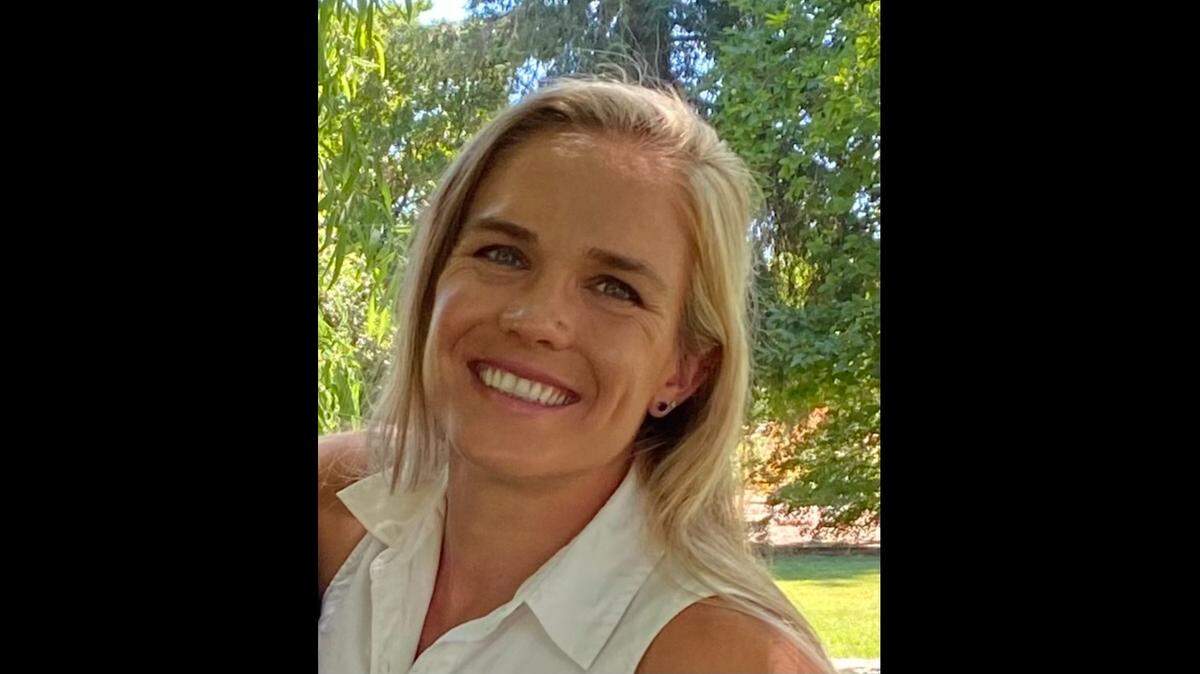
While waiting for the state to change health and physical activity requirements in schools, you’ll find this Modesto biology teacher integrating every bit of health education into her curriculum.