
An easy answer to reducing out-of-control medicine prices
Want to make a dent in America’s outrageous healthcare costs? One small step — ban drug advertising.
There are two types of pharmaceutical advertising: direct to consumers like you see on TV; and in the doctor’s office. I believe the first should be banned, and the latter somehow neutered.
I must disclose that growing up, my father had a small advertising agency. Marketing paid for my meals, clothes, college tuition, etc. I’m not opposed to advertising in general, but it should be limited to things the targets know something about.
First, the ads you see on TV. Other than America, the only other country that allows direct-to-consumer ads is New Zealand. All other developed countries that don’t have these ads tend to have better outcomes than the United States, so there’s no objective advantage to this form of marketing. The average person can’t know enough from the ads to make an intelligent choice.
Take rheumatoid arthritis treatments. There are at least a half-dozen different drugs being advertised and, as I understand it, there are no great differences in results with each — just some work better in some people, so if one doesn’t work the doctor will try another. All should come after cheap, generic drugs are tried, like methotrexate. So why the ads? To get doctors to use them earlier, perhaps inappropriately. I used to tell my patients that the more a drug is advertised, the less value it has. When a truly revolutionary drug comes out, they don’t need to advertise.
But what about sales people, called pharmaceutical ‘detailing’? You’ve seen these folks in your physician’s office. Attractive, well-dressed, carrying bags of doughnuts, who are whisked into the back office while you continue to wait, and wait. Who are these people? They actually don’t really know anything much about medicine. They talk from scripts they’ve been given. They’re very nice and they give doctors stuff (not as much as before). But can the doctors trust what they’re saying? Not much. Multiple studies have shown that doctors think most other doctors are swayed by drug detailing, but not them. They are quite wrong. I remember early in my career when talking to these folks they got me to prescribe things that perhaps had better alternatives.
If you watched the latter years of “The Big Bang Theory,” you saw a really accurate depiction of drug detailing in the U.S.
After 20 years of private practice I joined Kaiser for my last 15 years, where drug sales people are banned. We had real pharmacists come and tell us about new drugs. I know what you’re thinking: “This is all about Kaiser saving money.” For several years I was on the Northern California committee that decided what medications were on the formulary. Costs mattered, but the real discussion was whether the new drug would work better than the older, perhaps generic alternative.
How would this work outside of closed systems like Kaiser? My best suggestion is that pharmaceutical sales folks be pharmacists. Expensive, but given the high costs of drugs, it’d be worth it.
Finally, get rid of free samples in doctor’s offices. If the doctor gives you a sample and it works for you, you want a refill of that drug. Never mind that a generic would probably work just as well, but there aren’t free sample of generics.
I could go on with ways that doctors are manipulated by these sales people, but the editor wants me to quit.
If you’ve got a few minutes, play this humorous video by typing “The drugs I need” in YouTube.
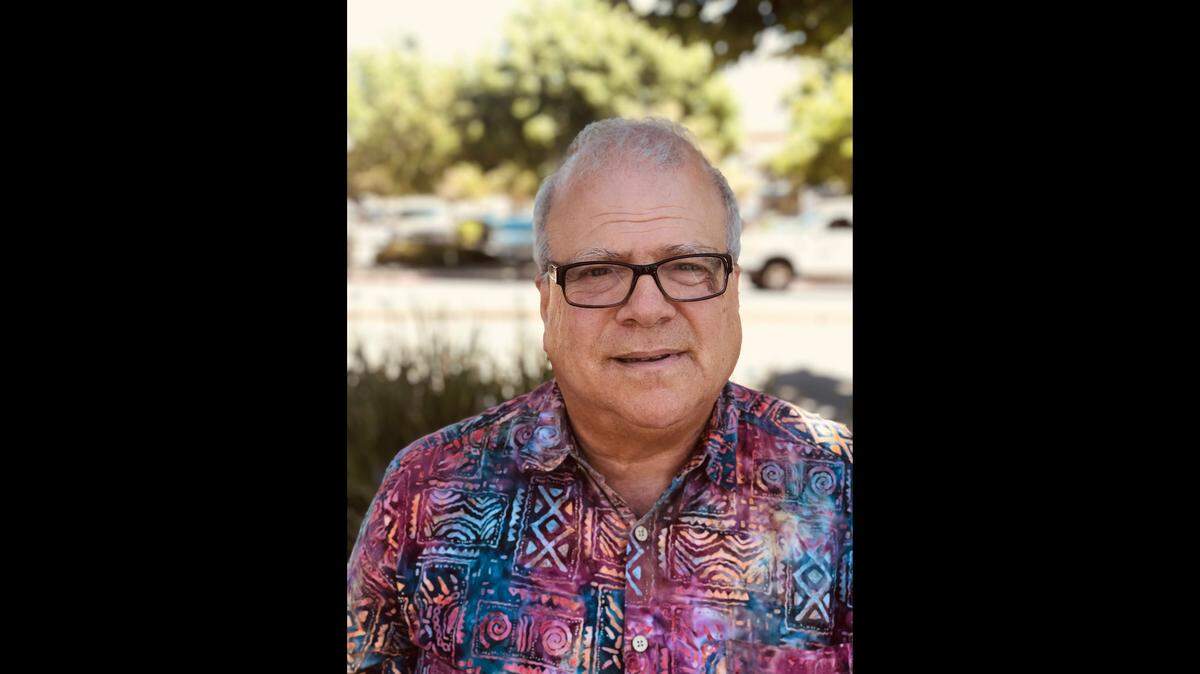
Steve Jacobs, a Manteca resident, practiced medicine in Modesto for 35 years. He wrote this commentary for The Modesto Bee.
This story was originally published January 6, 2020 at 12:56 PM with the headline "An easy answer to reducing out-of-control medicine prices."