Cancer treatment is tough — on loved ones, too. Surviving empathy fatigue | Opinion

A dear sister-in-law is undergoing stem cell transplants for blood cancer. Part of the procedure had chemo drugs taking her to the brink of death before rebuilding her system in the hope that she’ll get a few more years on this earth.
A wise Modesto political consultant started cancer treatment Tuesday at a Bay Area hospital. A woman who leads a nonprofit advocacy group is going through her own war with cancer. Both are friends, or at least friendly, and have talked about sharing their struggles on this opinions page.
A girl I befriended in France 40 years ago, now a woman in her 60s, spends her days doing cancer rehab in the hospital, returning to her home and husband each night. The wife of a cherished friend will undergo cancer surgery in San Francisco next month.
Never before do I remember so many fairly close to me suffering like this.
Never have I suffered for so many at once, wishing and praying and hoping and agonizing because they’re not well and I would prefer that they were.
And these are just the ones with cancer, to say nothing of aging parents and others who endure chronic pain and mental illness.
“I fear,” I told my wife in a moment of frustration, “that I have empathy fatigue. I don’t feel that I have enough compassion for all of the people we love who deserve it.”
Some of you have it worse, because you’ve just lost someone, or you’re about to. Maybe your heart is so big that my experience doesn’t resonate, or you’ve already found the secret to successfully combating empathy fatigue. If so, you’re lucky.
“Empathy requires an emotional effort, but if you give empathy without boundaries, you will burn out — guaranteed,” says Dr. Nicole Price, author of Spark The Heart: Engineering Empathy in Your Organization. She is making a living coaching others how to survive their own kindness.
“Nobody can try to understand the circumstances and feelings of everyone, every minute of every day. If you put that pressure on yourself, you are going to crack,” Price said in a release. She recommends “getting quality sleep and taking breaks,” and “letting go of obsessive self-criticism.”
Sound advice, I’m sure.
But I’m also convinced that isolating oneself isn’t right. Reaching out can be restorative, if not essential to self-care.
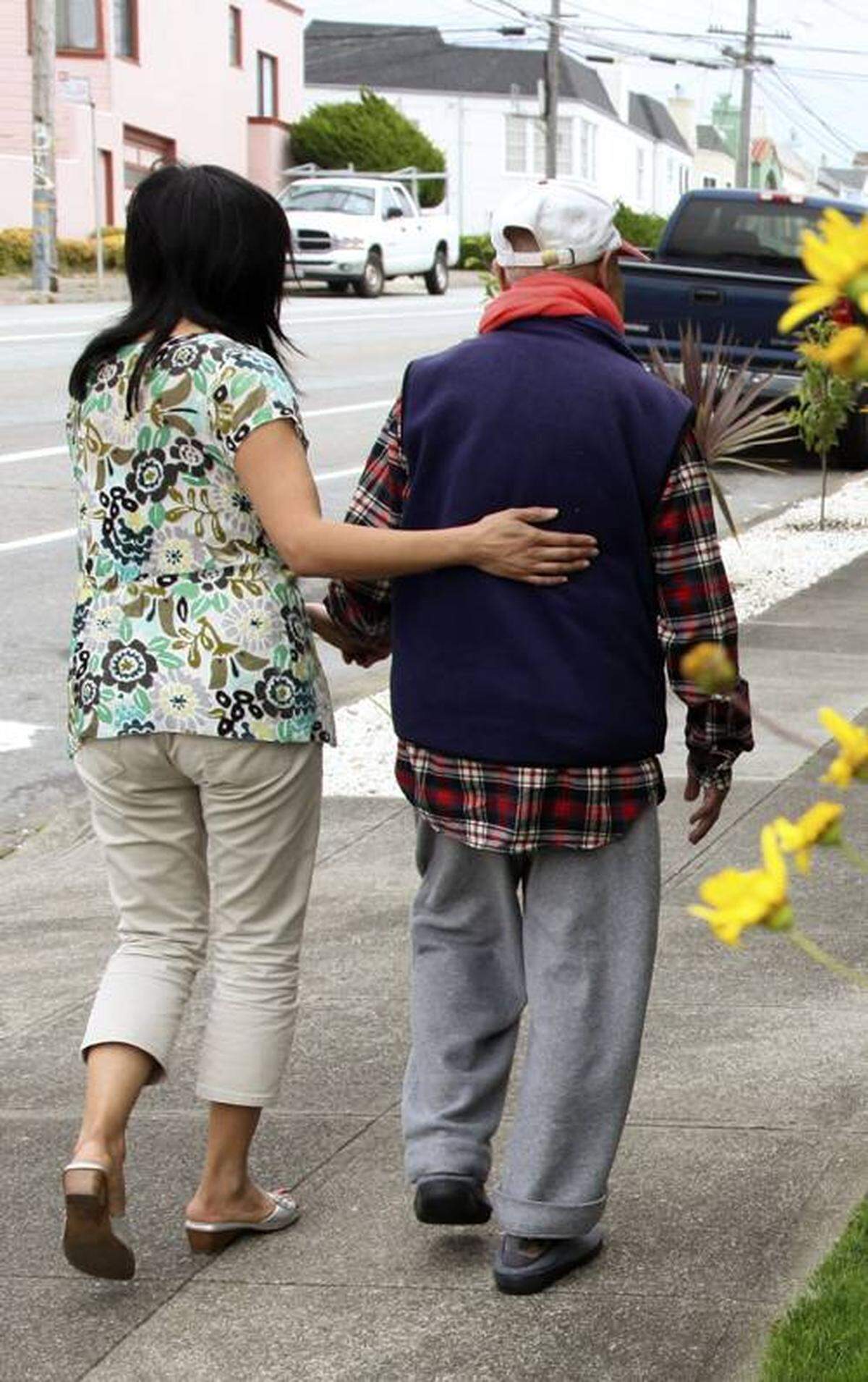
Maybe the trick is finding better ways to connect with those who need to hear that we love them.
Having scoured several websites, here’s a roundup of what I learned.
Empathy vs. sympathy
First, strive to have more than sympathy, which is associated with pity. Empathy means working to understand what someone is going through, not just relief that at least it’s not you, according to curetoday.com.
“You’re taking time to understand because you care,” says City of Hope, found at cancercenter.com. “You’re opening the channel of communication and building rapport and a greater level of trust.”
Avoid trite or dismissive responses. “I know just how you feel” or “I’m sure you’ll be fine.” They won’t make things better, and may make them worse, says cancer.net.
What is the right thing to say? “I’m sorry this is happening to you,” and “If you feel like talking, I’m here to listen,” are a good start, cancer.net suggests.
“If nothing else, you can simply say that you don’t know what to say, but that you’re there for them,” says the cancer support division of columbiasurgery.org.
I sent a note to my sister-in-law: “It occurs to me that I talk to God about you a lot more than I talk to you about you. I’m sorry.”
Her response: “I love that you continue to pray for me. I feel it.
“I’m doing good. Making improvements every week. Staying positive. There are things that are hard still, but I’m focusing on the good things and trying to be patient.”
She’s the one with cancer, and her words make me feel better. How crazy is that?
Life is hard. But it’s always richer when we do it together.