There’s more to good business than just the bottom line, Modesto company owner proves
People go into business to make money.
Nothing wrong with that, right? The best win, the strong survive, capitalism and all that.
But is money the only thing that counts?
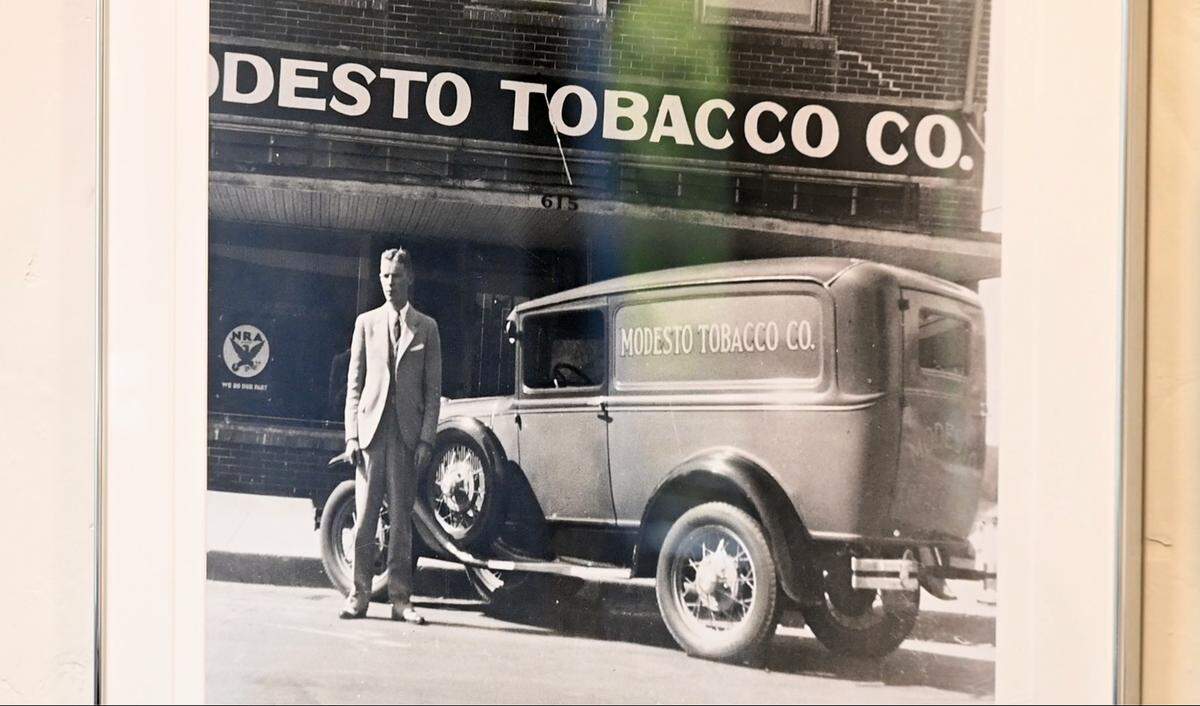
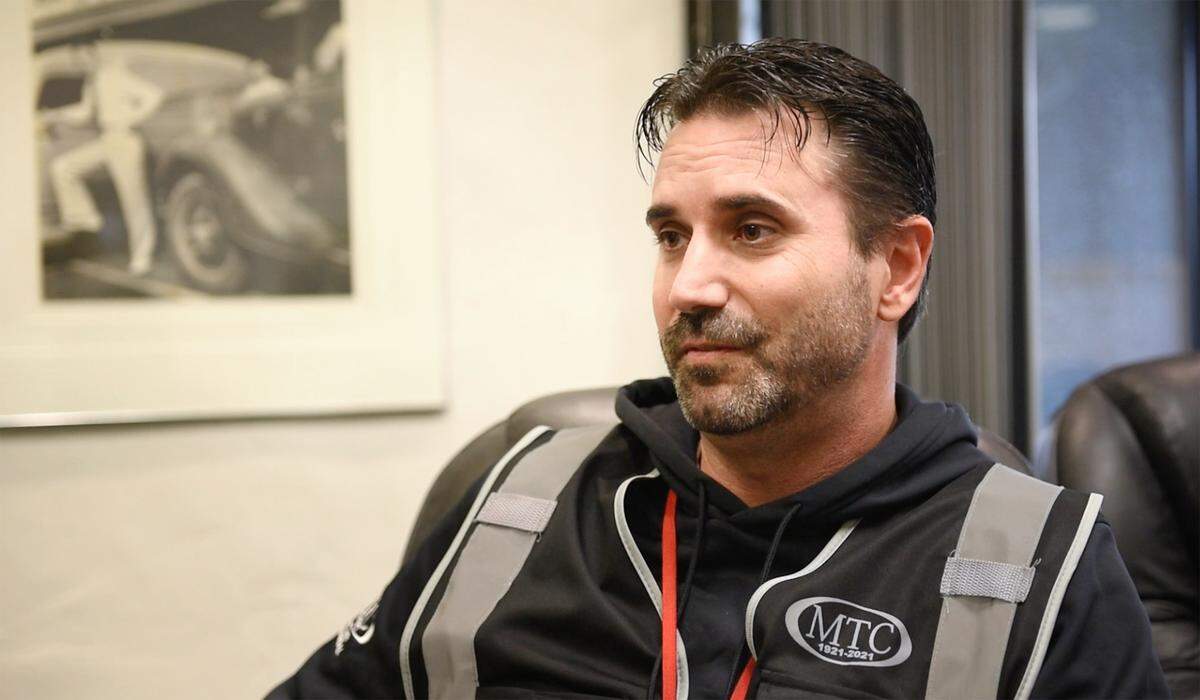
When Tom Eakin contemplated selling MTC Distributing, the Modesto convenience store-supply company his family has owned for 101 years, he talked to competitors eager to throw him a bunch of money. He talked to private equity firms that would throw even more. At 72, an extraordinarily lucrative retirement would be the pinnacle of success, an apt reward for a lifetime of toiling to grow a company to nearly 300 employees. No one would blame Eakin for cashing in.
But Eakin has to live with himself. And it turns out that to him, cashing in is not the only thing that counts.
Those 300 employees count.
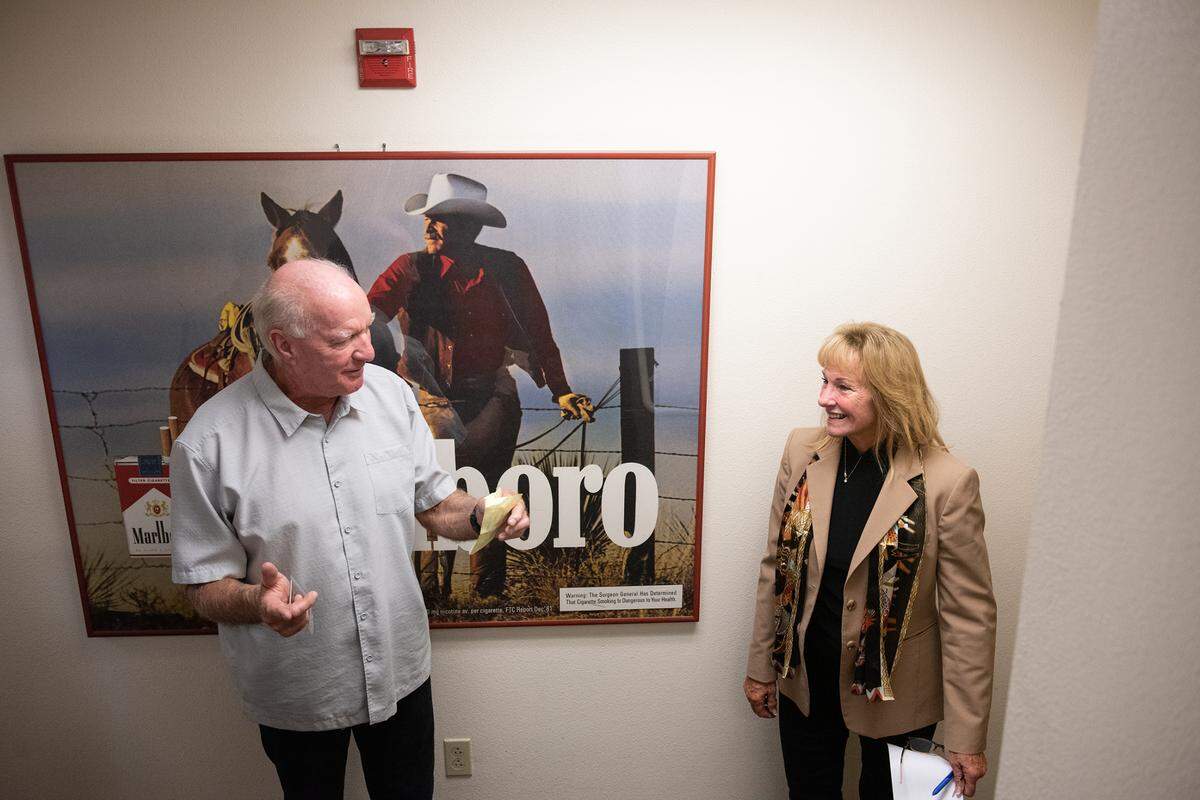
Their jobs would be on the line if Eakin sold to a competitor who might reduce overhead by consolidating with another warehouse. Their pay and benefits could be on the line if faceless investors were bent on maximizing profit.
These are real people with real stories and real families depending on these salaries. “I always thought my first job was to protect them,” Eakin told me.
People like Jim Perry, who has worked 42 years for MTC in a variety of positions, from truck driver to purchasing to credit manager to warehouse manager to IT manager, and now senior production manager. I asked why anyone would work anywhere more than four decades. He told me simply, “I feel needed.”
Two-way loyalty
“My loyalty is here,” said Danette Agundez, who started at MTC stamping cigarette cartons and sweeping floors 36 years ago, never left and likewise moved up over the years.
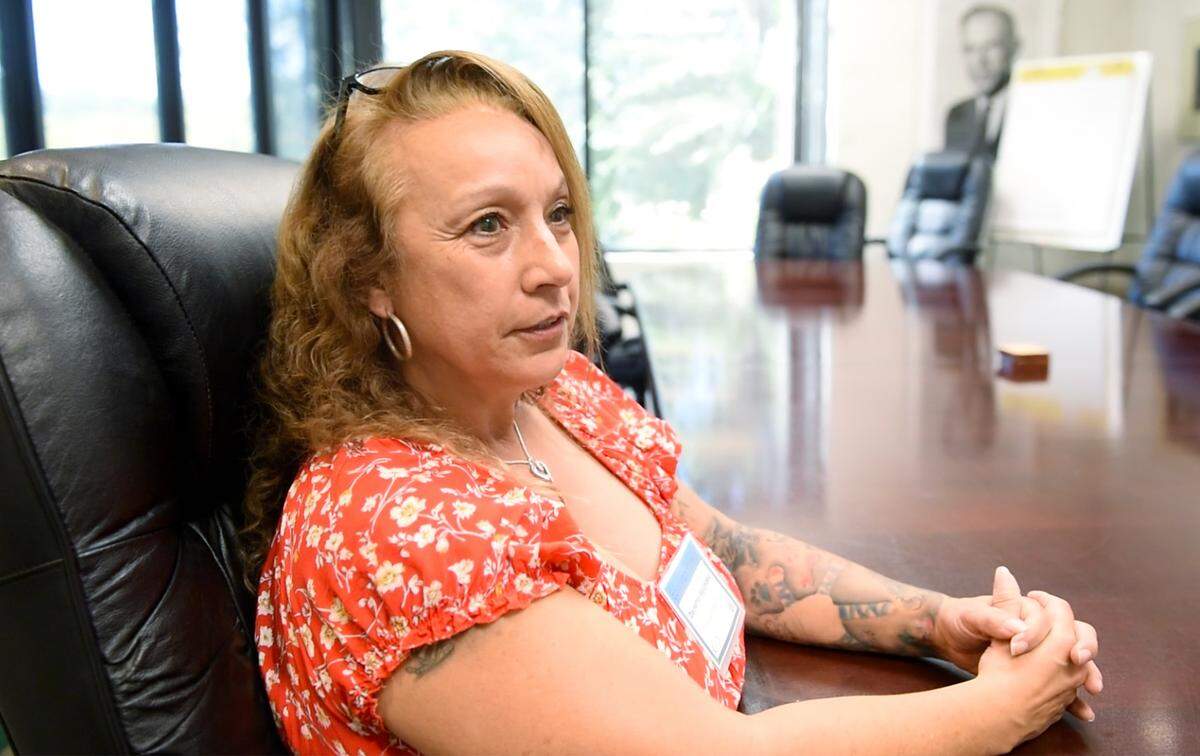
Joe Hollis has a memory of seeing Eakin hefting boxes on the loading dock just after Hollis was hired 21 years ago. “I was like, `Wow. That’s the owner. He cares.’ Right then, I was on board,” said Hollis, who worked up to operations manager. “He was fighting for his company, and it made me want to fight with him. That’s all the motivation I needed.”
That kind of two-way loyalty kept Eakin looking for the right buyer, not just the highest bidder.
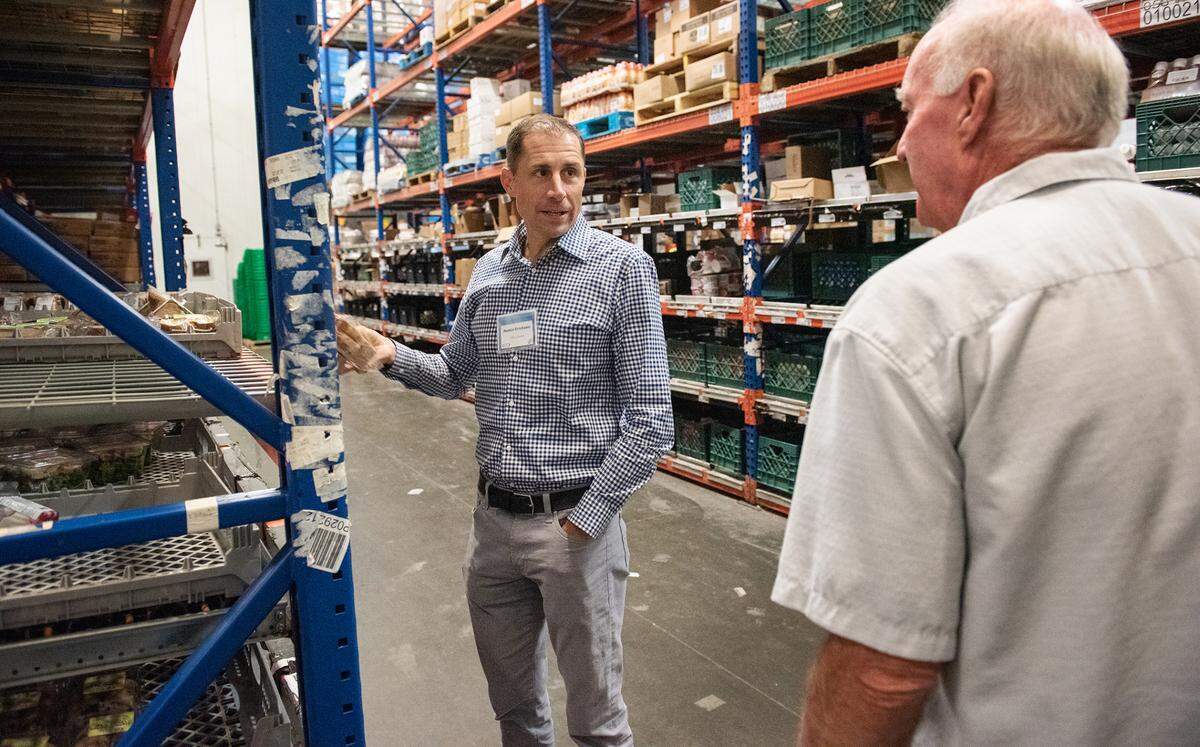
In a gathering of dozens of MTC’s day shift workers a few days ago, Eakin let me watch as he handed the MTC reins over to Justin Erickson, CEO of Harbor Foods, which is based in Washington state. Erickson told them they will keep their jobs, their wages, their benefits, their chances at growing and moving up in a suddenly larger company with 1,200 employees and five distribution centers.
What a difference, receiving clerk Kelly Valadez told me, from the feeling of despair she had four years ago as OSH prepared to close its stores, including the Turlock one where she worked, knowing she was only days away from the unemployment line. Eakin rescued her then with a job offer at MTC, and now he’s doing it again, she said.
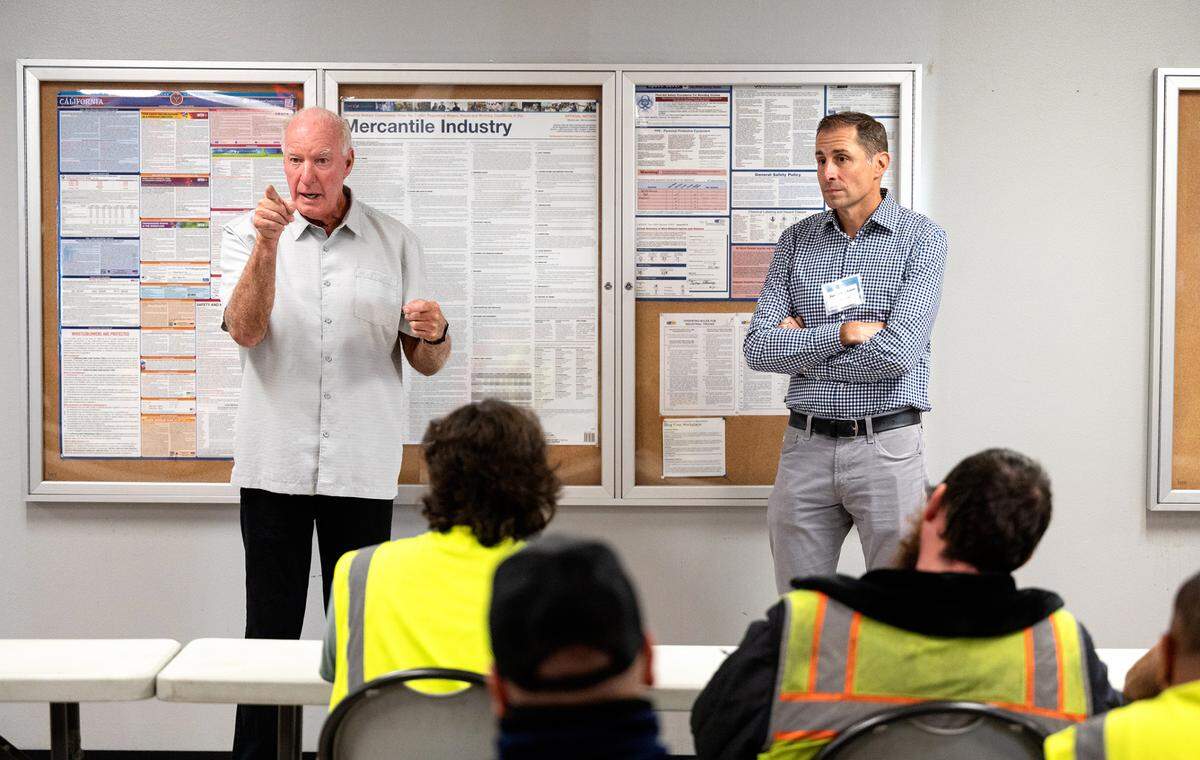
After the floor meeting, Erickson told me he and Eakin discussed what would become of the Modesto warehouse and workforce for three weeks before a price was mentioned.
“Tom is a unique businessperson in his care and compassion and what he wants for his legacy,” Erickson said. “He’s genuine and real. He probably could have got more money from someone else for his business, but that wasn’t his motivation. To me, that’s refreshing. And I feel a sense of obligation and duty to fulfill what he set out to do.”
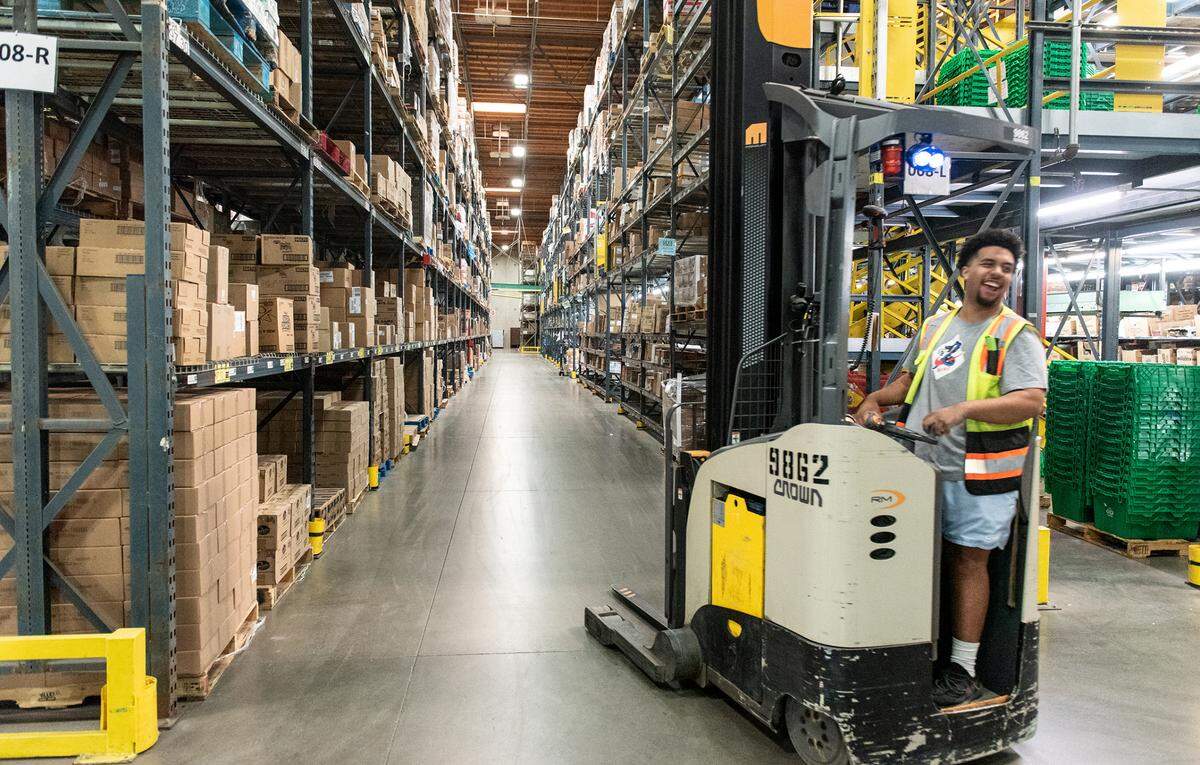
Harbor Wholesale has almost the same mission as MTC — supplying convenience stores — in Washington, Oregon, Idaho and the northern tip of California. Rather than closing MTC’s Modesto warehouse, Harbor will depend on it to expand all the way south to Santa Maria (MTC’s area), and perhaps beyond. It’s another step in a growth pattern that has seen Harbor branch into supplying some restaurants up north, like Subway and Carl’s Jr.
Soft landings are rare
It’s not possible to write this without comparing MTC’s ownership change to that of Save Mart and Foster Farms, local giants that respectively were acquired by a private equity owner and a holding company earlier this year.
All three — Save Mart, Foster Farms and MTC — were started by local families committed to high quality and to community. All sold to investors making big promises to keep a good corporate neighbor attitude. (Of course, Save Mart and Foster Farms are much larger, with 14,000 and 12,000 employees, respectively.)
Almost before the ink was dry, Save Mart’s most loyal worker bees — retirees — were notified that their supplemental health benefits were being canceled. Mark Johnson, a Save Mart retiree, told our reporter, “You think they’re going to take care of you, but they don’t. It’s really kind of devastating for me.”
At the time, I wrote of concern for rank-and-file workers, saying it’s infinitely easier for new owners to maximize profits by hurting someone they don’t know. That usually means lower-level employees and retirees.
Some faith was restored when we learned, a month after its sale, that Foster Farms’ new owners boosted entry-level pay from $16 to $20 an hour. We take that as a good sign.
As for MTC employees, their future seems safe enough, thanks to an approach that relies more on heart than on the bottom line.
In a world that seems increasingly divided, it’s reassuring to see someone give up something to help those who helped put him where he is.
Even in capitalism, it should never be only about the money.