Who does NASA call for awe-inspiring cosmic images? This Modesto amateur, of course
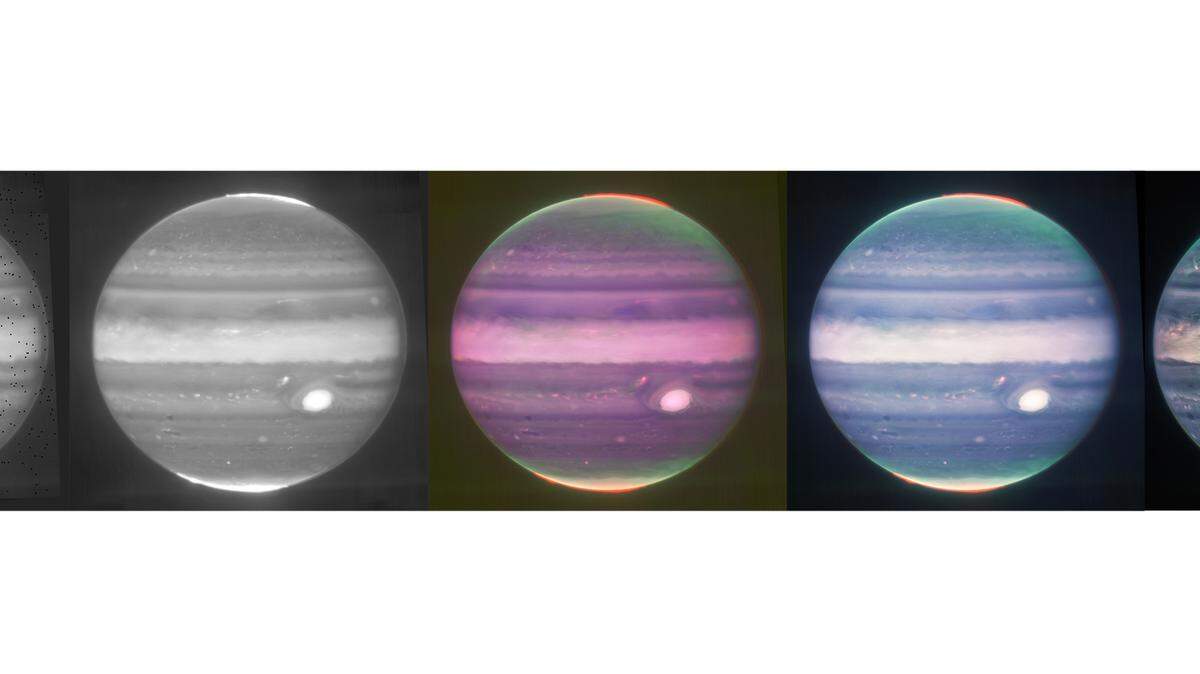
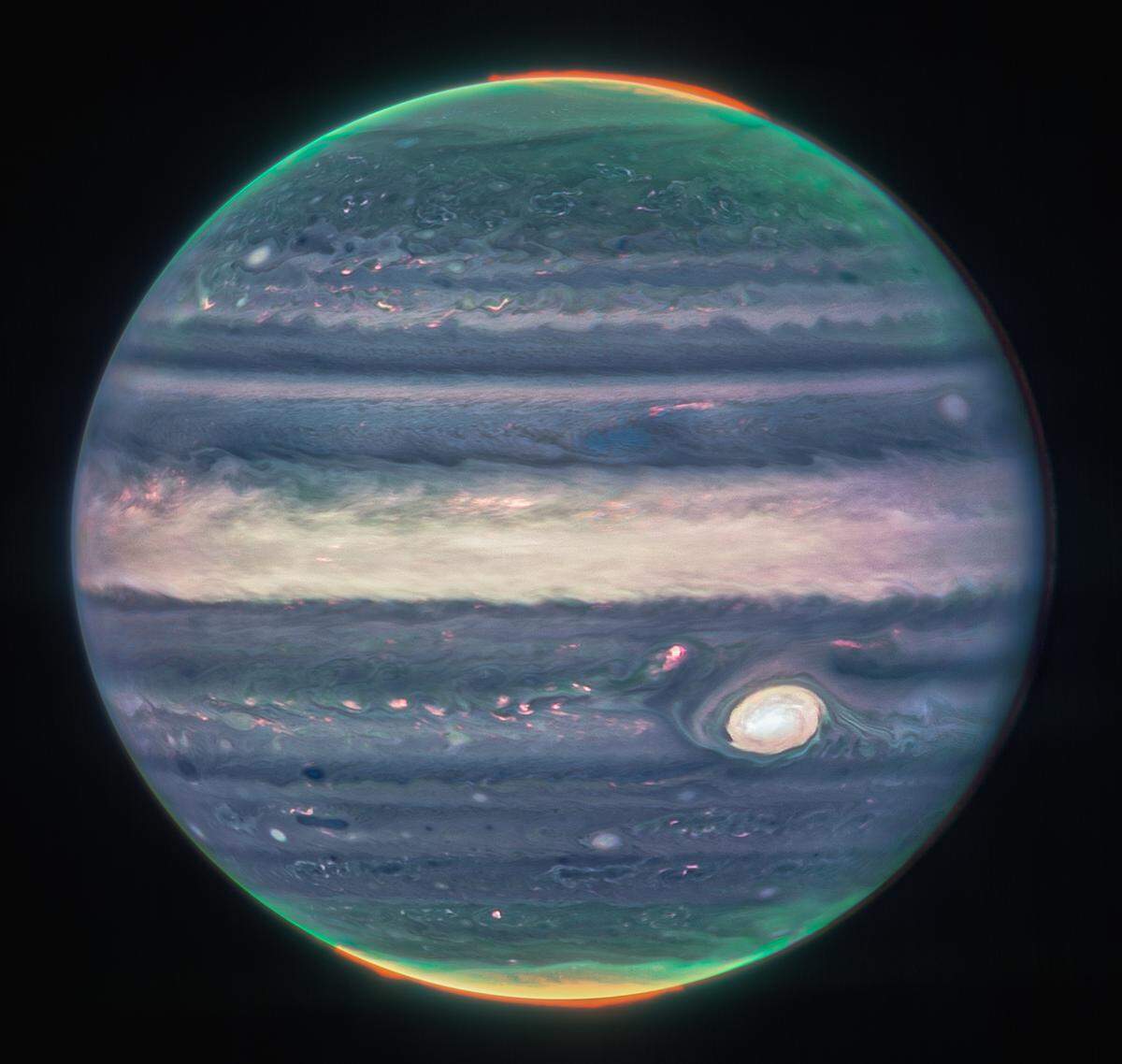
Mind-blowing new pictures of our solar system’s largest planet, boldly splashed across a NASA blog and CNN and New York Times reports on Monday, came alive courtesy of ... drum roll, please ... a Modesto hobbyist.
You read that right. NASA, with all of its space-budget billions, partly achieves its mythic popularity thanks to a stay-home mother of a toddler who works awe-inspiring magic in her Modesto home.
Meet Judy Schmidt, citizen scientist extraordinaire.
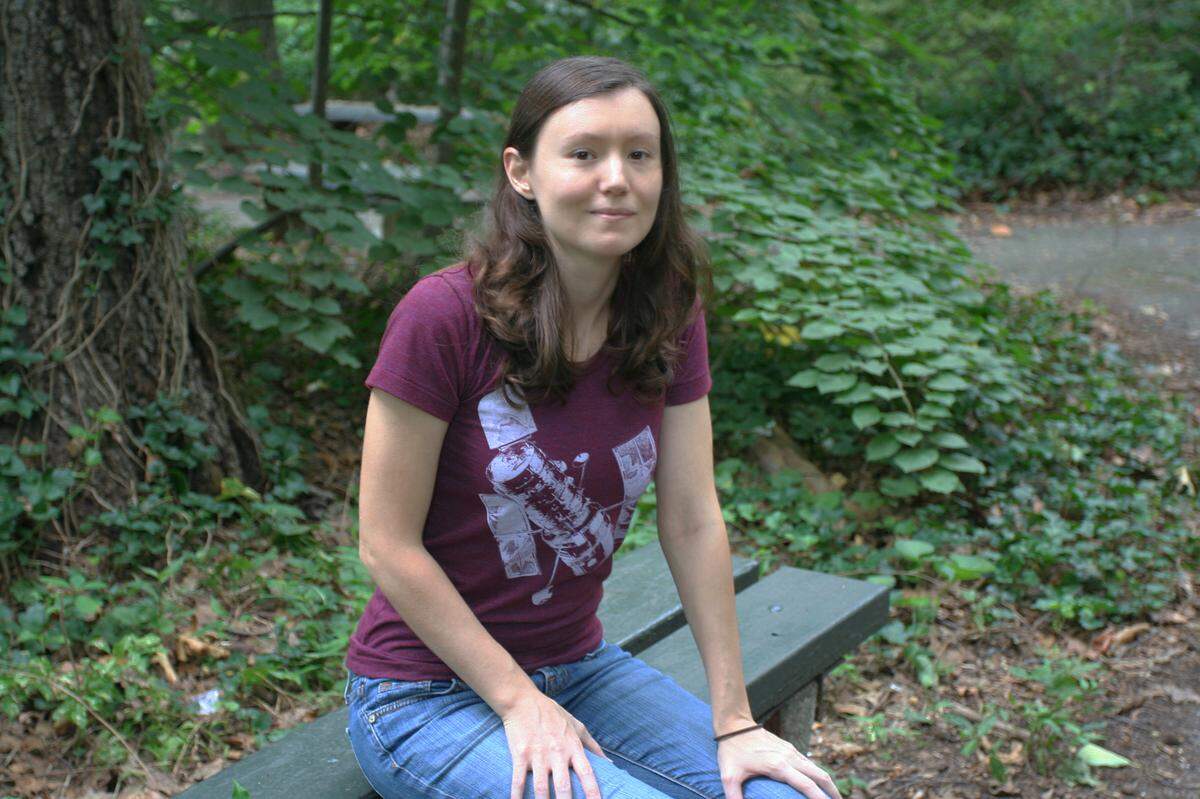
The 39-year-old former website designer has no formal science degree or training. She has no contract and seeks no lucrative grants. She doesn’t even have fancy software, relying mostly on Photoshop and a garden-variety computer to process impressive cosmic images that leave everyone breathless, including NASA itself.
“I’m an artist,” she says. “I’m involved in science, but I’m not doing science; I’m merging science and art together.”
Schmidt, born and raised in San Diego County, got her start in space image processing because she was bored, jobless and depressed while waiting for her spouse, Patrick Wong, to finish medical residency in New York. She found some fulfillment, she said, transcribing information for insect experts for free — her introduction to the quiet, satisfying world of citizen science.
At some point, it became more fun to process space images relayed by the famed Hubble Space Telescope. Of 3,000 submissions in a contest hosted by the European Space Agency, she took third place and, well, a star was born.
About four years ago, the couple moved to Modesto for his job with Doctors Medical Center. They had a little boy, and Schmidt continued with her space photo self-therapy, producing scintillating images of galaxies and planetary nebulae.
If you thought the Hubble and its recent successor, the James Webb Space Telescope, simply send to Earth the beautiful photos that show up on TV and in National Geographic, you would be — as I was — quite mistaken. The JWST gathers infrared data in wave lengths too long for the human eye to make sense of, until someone like Schmidt downloads data from a public archive and goes to work, often in collaboration with scientists.
Take Jupiter — Schmidt’s image appearing Monday in national news reports — for example. Initially, it looks like a colorless orb randomly speckled by tiny black boxes. In a process that takes about eight hours, Schmidt — using self-taught techniques honed over 10 years — cleans, sharpens, balances, refines and works with colors before posting her work for 12,700 adoring Twitter followers to gush over (see @SpaceGeck).
Or millions of news consumers, if NASA blasts out her work like it did this week.
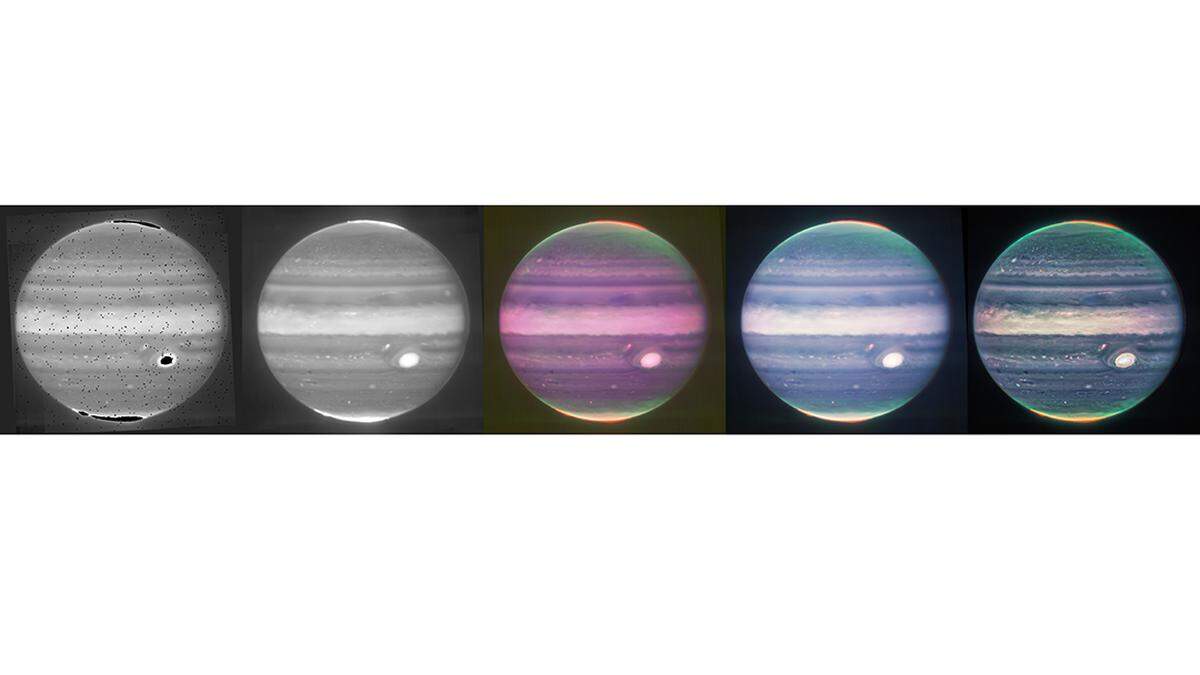
Untouched data “looks ugly; you would never want to look at it again if that’s all you saw,” Schmidt told me in an interview. “You would be like, `I kind of see Jupiter in there, but what are all these black boxes?’ I fill it all in and smooth it out, so the blemishes aren’t there.”
NASA leans on citizen scientists for help in more than 30 projects, “from finding new planets outside our solar system to gauging the health of our Earth’s coral reefs,” said Kristen Erickson, director for science engagement and partnerships at NASA headquarters.
“Judy Schmidt is an exciting example of someone volunteering their time and intellect to work with professional scientists for the benefit of all,” Erickson said. “With NASA Science collecting so much data from our spacecraft and robotic explorers, we need volunteers to help us analyze it all.”
If you’re intrigued, check out @DoNASAScience or visit science.nasa.gov/citizenscience.
Schmidt recognizes that she could not fit in child rearing, her time-consuming pastime and a full-time job, so she’s happy to let the latter go. It’s never been, she says, about money or fame.
“Shun capitalism — shun it!” she says.
“This is my thing, even though it’s not a job that pays. If I were stuck paying a mortgage, I would be too tired to do this.
“I just want people to have something to look at that’s not politics. It’s something beautiful and inspiring. For just one minute of your day, you get to have a wonderful feeling, and humanity collectively understands the universe more than it did before — and I get to be part of that.”
This story was originally published August 24, 2022 at 11:30 AM.