
We held Stanislaus County accountable. Now, we thank them for improving coronavirus outreach
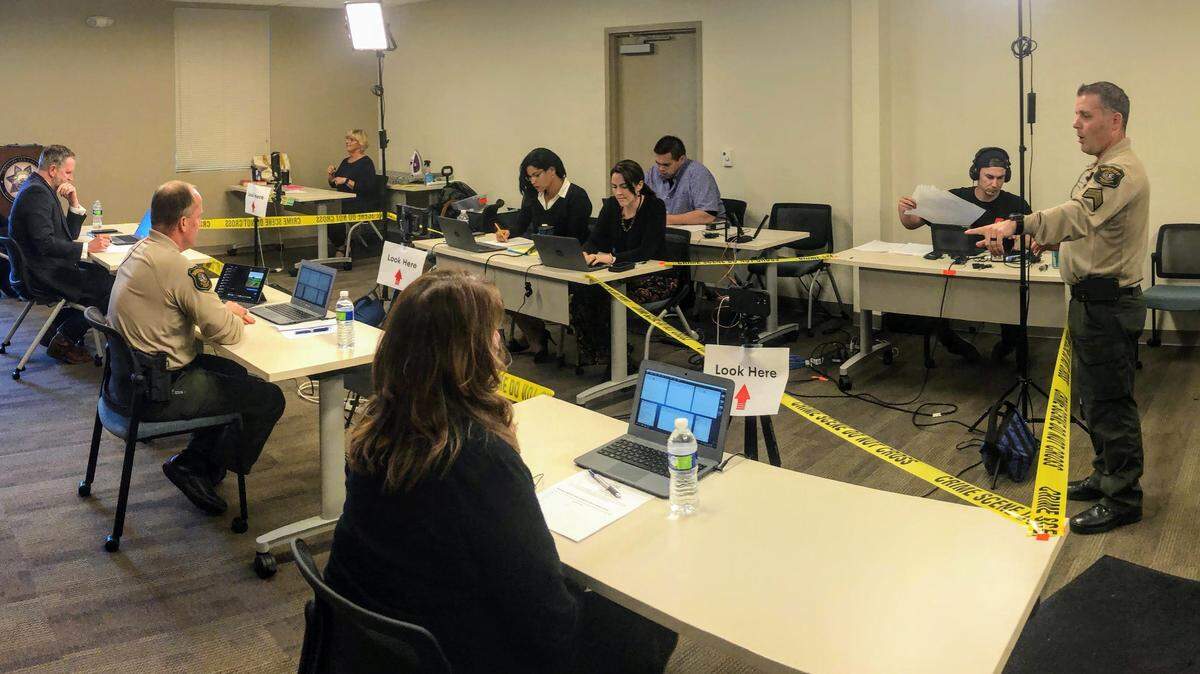
Stanislaus County has vastly improved its messaging to the public since the coronavirus pandemic burst upon us a few weeks ago. In fact, the county’s weekly Wednesday Facebook Live Q&A session has become must-see programming for anyone wanting the best local information on this life-changing crisis.
That the county reversed course for the better even before it became a life-ending crisis — as of Friday, no deaths of Stanislaus residents had been documented — is a testament to hard work.
Early on, The Modesto Bee took the county to task mostly for ineffective outreach. Dr. Julie Vaishampayan, the county’s public health official, disappeared from view for more than a week even as the crisis was reaching fever pitch, and the county’s first stab at a weekly panel discussion was stacked with bureaucrats who had no medical expertise and who answered no real-time questions from anxious viewers.
The county quickly learned from its mistakes:
- Dr. V, an infectious diseases authority, now is a regular in county videos. Her expertise is especially valuable in weekly Wednesday Q&A sessions. Nothing replaces a medical expert in a medical crisis.
- The Q&A panels are taking and answering real-time questions from viewers writing in comment fields. This has helped to dramatically reduce complaints from frustrated viewers.
- Questions are deftly screened and pitched by agile, well-spoken moderators, including David Jones (the county’s former health services public information officer), former television news reporter Linda Mumma and county spokeswoman Amy Vickery.
- Written captions are provided for daily briefings. For weekly panels, American Sign Language interpreters are now inset, a much better look and just as helpful for the hearing impaired.
- The county now provides COVID-19 test result updates on its health services website on weekends, not just weekdays.
- Media responses are streamlined. Reporters now have one professional point of contact, sheriff’s spokesman Royjindar Singh. Former spokesman Tom Letras has been drafted to assist as well.
- Sheriff Jeff Dirkse on Thursday used this opinions page to deliver an authoritative message on enforcement of stay-home orders.
- The public finally has access to more extensive test-result info. Rather than showing two measly categories — confirmed cases and deaths — the county’s website now includes negative results plus breakdowns of cases by gender, age group and city, and number hospitalized.
This information is head and shoulders above the earlier poor showing, and the community is grateful. Still, there is room for improvement.
When asked Wednesday how many COVID-19 patients are in ICU, Dr. V said she didn’t know and offered that 22 from Stanislaus County were hospitalized at that point. It’s curious that the state is providing such data for all counties at its COVID-19 website, https://data.chhs.ca.gov/, which said Friday that 10 ICU patients in Stanislaus hospitals had tested positive for the virus, and six others were suspected.
Governor Gavin Newsom on Friday said California had seen a 10.4% increase in COVID-19 ICU patients in the preceding 24 hours. ICU data clearly is important and should be included in daily updates provided by Stanislaus leaders.
Agencies in other states are serving up even more information. Virginia residents, for example, can see breakdowns by race for COVID-19 patients; knowing whether minority populations are suffering disparately is in the public interest.
Florida provides a bar chart showing the steep increase in confirmed cases each day for the preceding two weeks, plus detailed information on numbers of people being monitored.
Oklahoma gives updates on available ventilators and hospital occupancy, as well as the number of available beds in ICUs, operating rooms and pediatric units.
Why is such information important? It can help improve understanding of the virus and its spread. It also can dispel myths that contribute to that spread. For example, Stanislaus residents now can clearly see that youthful people are vulnerable; as of Friday morning, two of our 51 sickened with the virus were 17 or younger, and 21 were from 18 to 49 years old. Young people really can get it.
The Bee’s editorial board remains concerned that the county’s valuable weekly Q&A sessions remain accessible only to Facebook users. Leaders should give serious thought to serving a broader audience.
It’s good that panelists on Wednesday acknowledged that the county has not yet answered the question we’ve been asking for three weeks — whether our hospitals have necessary equipment and are otherwise prepared for the expected surge in COVID-19 patients who will require medical help. Dr. V said the answer should be coming soon; providing it must become a top priority.
She also said Stanislaus is not providing recovery data because her counterparts in a network of other counties have not yet agreed on a definition. That should move up on the county’s to-do list as well.
Overall, the county has earned our gratitude for sharply upgrading the information we need in these trying times.
This story was originally published April 5, 2020 at 5:00 AM.