Judge agrees with what The Bee has said for years — MID power rates are unfair
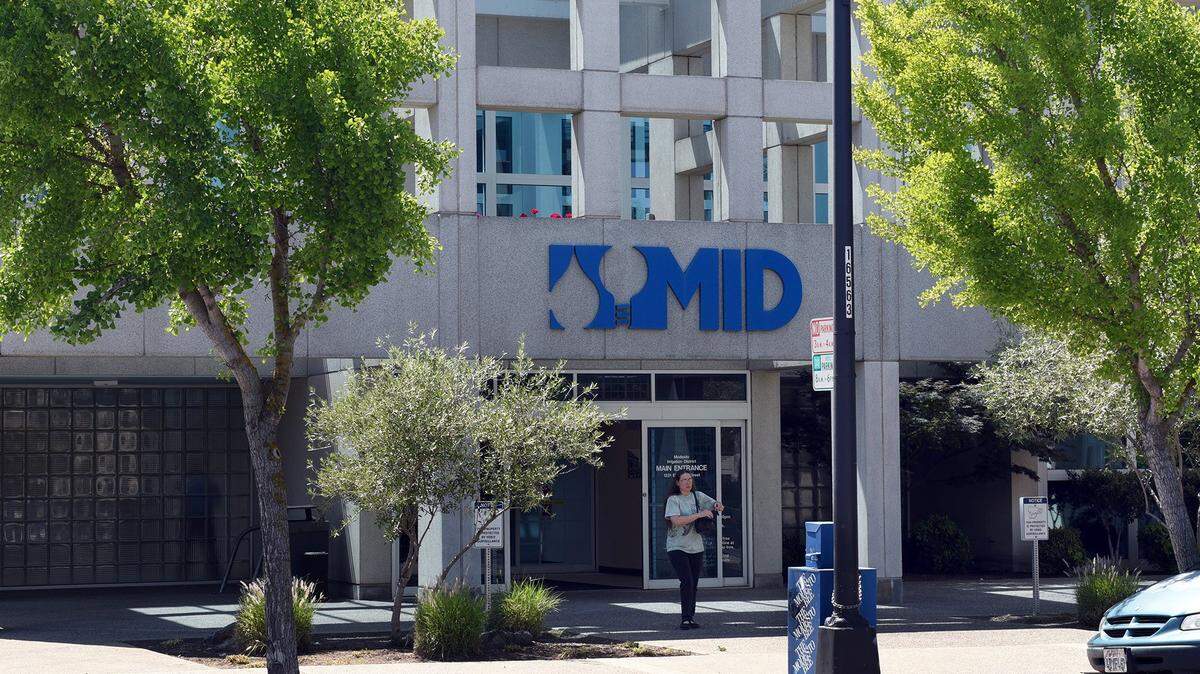
The judge got it right in a lawsuit challenging the Modesto Irrigation District’s long and wrong practice of overcharging for electricity.
More than five years ago, The Modesto Bee Editorial Board (turnover has entirely changed its members since) decried the injustice of charging one set of customers (power) too much in order to keep artificially low the prices paid by another set, in this case farmers buying irrigation water.
A year later, in November 2015, the editorial board again called out MID for refusing to separate, publicly, its costs for providing power and water. “You can use (bookkeeping) to explain just about any decision you want to make, just as long as you refuse to explain how you keep the books,” The Bee said.
Seven months later, yet another editorial characterized as “pure bunk” MID’s stubborn insistence that separating the bookkeeping was simply impossible. The Bee demanded that the utility “throw out an accounting system that mingles costs in an effort to obfuscate the facts.”
MID continued the charade, even after a board member noted that the utility had no problem separating power and water bookkeeping for MID’s third service: domestic water delivered to Modesto and its customers.
The district tried the same hide-the-ball tactic in the recent lawsuit. But Roger Beauchesne, a wise and fair Stanislaus Superior Court judge, called MID’s bluff.
“The primary basis for (my) decision,” the judge wrote, “is the ubiquitous absence of actual costs throughout MID’s arguments.” He then quoted Clara Peller, who famously asked in a 1984 TV commercial for Wendy’s, “Where’s the beef?”
The answer is simple. For many long years, MID has hidden the beef — even from a judge — because bringing it into the open would remove all doubt that the unfair subsidy exists.
The utility has found it easy to cloud things in its audited financial statements, the public’s premier data source, for decades by keeping numbers mingled. But MID could not hide the truth from potential investors in bonding documents that allowed The Bee in 2015 to pinpoint a $106 million profit from selling electricity in 2014 alone.
Those bringing the lawsuit seized on similar numbers in such bonding documents, which Beauchesne cited in his decision, filed on New Year’s Eve, the day he also retired. “MID has no answer” to “strong evidence of a massive subsidy from its electric ratepayers,” the judge noted.
MID leaders, whether knowing or sensing the injustice, have attempted to justify it all along.
In 1995, MID began a bookkeeping trick by exacting what staff called a falling water charge from each power customer, based on the theory that water falling in turbines at Don Pedro Dam — an irrigation facility — creates revenue benefiting all customers. The district did not disclose that on customers’ bills, but privately used the reasoning as rationale for transferring tens of millions of dollars from MID’s electricity side of the business to its irrigation side.
Until, that is, a lawyer advised the MID board that such manipulation might violate state law prohibiting overcharging for any service. The Bee unveiled the practice, and the district in 2013 quietly eliminated the rationale while charging the same amount, Beauchesne noted in his recent decision.
Next, the district tried arguing that irrigation water is legally subsidized — not by overcharging for power, but from revenue MID gets by wholesaling surplus electricity on the open market. This is nothing more than another bookkeeping trick, and Beauchesne called them on it.
If MID does not contest his ruling, a second phase of the case (under another judge) would focus on how the district might make things right, including the possibility of repaying electricity customers — 122,000 local families and businesses — for some of what they were overcharged.
MID was formed in 1887 by visionary farmers who staked their fortunes on the belief that, with enough water, they could grow anything. Today’s farmers don’t deserve any blame for MID’s flaws, the judge said.
The district remains a strong institution owned by all of us and governed by representatives we elect. We’re proud of MID, but we would be more proud if its rates were fair to all customers.
MID leaders must drop the no-subsidy charade and abide by state law, charging power and water customers alike a fair price for each service.
This story was originally published January 8, 2020 at 11:32 AM.