
Tackling debt can leave you deeper in the hole. Here’s how to get out | Opinion
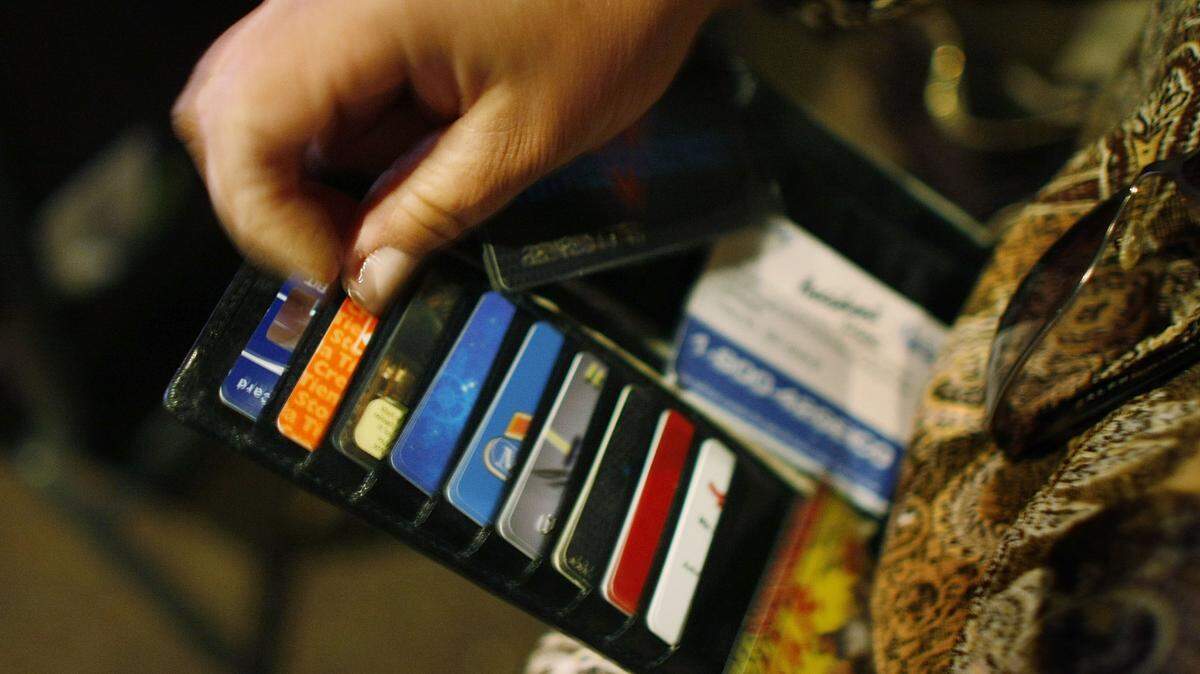
I have a ringside seat to the realities of credit card debt. As the founder of The Academy of Financial Education in Fresno, I counsel roughly 25 individuals each year — mostly low- to moderate-income women and people of color — who are struggling to stay financially afloat. What concerns me most is not just how much debt they carry, but how often they are steered toward solutions that ultimately make their situation worse.
Too many hardworking Americans are encouraged to take actions that damage their credit and deepen financial instability, often by companies that claim to offer relief but deliver the opposite.
Since 2021, credit card debt has become an increasing problem nationwide. Across the United States, Americans now carry as much as $1.23 trillion in credit card debt, with the average balance reaching $6,523 — up 2.2% year over year. Traditionally, credit cards were used to allow consumers to live beyond their means, cover emergencies or pay for special occasions.
However, today’s consumer isn’t using credit cards just to have a little extra; many are relying on them simply to survive, paying for everyday expenses such as groceries, childcare, gas and other necessities.
Rising household debt is a growing concern and may lead to increased use of so-called debt relief companies. These companies market themselves as a lifeline for consumers struggling with debt; however, they often create more problems than they solve, contributing to financial instability and damaged credit.
In my work here in the Central Valley, a region where many families live paycheck to paycheck, I see this pattern repeatedly. On more than one occasion, I have spoken with individuals who said they signed up for debt settlement services and were instructed to stop making payments on their bills.
Clients are also told that the company will negotiate debts on their behalf. The reality is that once payments stop, credit scores decline and lenders are under no obligation to negotiate with a debt settlement agency.
One client’s experience illustrates this clearly. She was charged a $10 account setup fee, a $30 monthly service fee and up to 25% of the total debt enrolled. Additionally, the company established a reserve account to which she contributed each month, supposedly to be used if a debt was settled, yet the funds were not actively applied to reduce her balances.
After more than a year, the company had negotiated only a couple of her debts while other accounts remained unpaid. The money she spent on monthly service and settlement fees could have been used to pay down her debt directly. Altogether, she paid more than $6,000 in fees, and her credit score was still below 600 by the time I began advising her.
The good news is that many of the actions that credit repair and debt settlement companies claim to take are steps consumers can take themselves.
Let’s consider my client’s situation: Following my advice, she stopped doing business with the debt settlement agency. The agency released the funds from her reserve account and she began negotiating directly with her lenders. In just a few short months, she regained control of her debt, her credit score increased by more than 30 points and she was no longer paying unnecessary fees that were not being applied to her balances.
Consumers are allowed to negotiate directly with their credit card companies regarding credit limits, interest rates and outstanding balances. Lenders often prefer to work directly with borrowers, and doing so benefits consumers by keeping them in control of their debt, reducing misunderstandings and ensuring payments are made on time.
Credit can be an asset just as much as it can be a liability. Learning how to navigate the credit and debt landscape may feel daunting at first, but it is within consumers’ power to regain control. While seeking out credit repair or debt settlement services may seem like the appropriate response to getting out of debt, consumers should research these companies carefully, understand their fees and know their rights before signing any agreement.
If consumers are still concerned about how to handle their debt, nonprofit organizations such as the National Foundation for Credit Counseling, GreenPath Financial Wellness and The Academy of Financial Education can help. Accredited Financial Counselors may charge a modest fee, but they can also provide guidance and support without the conflicts of interest common in for-profit debt relief companies.
Federal laws governing credit repair and debt relief companies exist to protect consumers from high-pressure sales tactics and abuse. Laws such as the Fair Credit Reporting Act, the Fair Debt Collection Practices Act and the Credit Repair Organizations Act establish clear consumer protections and outline what these companies can and cannot do.
Understanding these protections — and exercising the right to advocate for oneself — can be the difference between digging a deeper financial hole and taking meaningful steps toward long-term stability. Consumers are already struggling with debt; they deserve clarity, not exploitative fees, on their path to financial stability.
Samuel Molina is an accredited financial counselor, certified financial therapist practitioner and the CEO and founder of The Academy of Financial Education, a non-profit organization dedicated to helping the community have a healthier relationship with money.
This story was originally published May 18, 2026 at 5:00 AM with the headline "Tackling debt can leave you deeper in the hole. Here’s how to get out | Opinion."