
California corrections officer who abused female inmates is a symptom of a failing system | Opinion
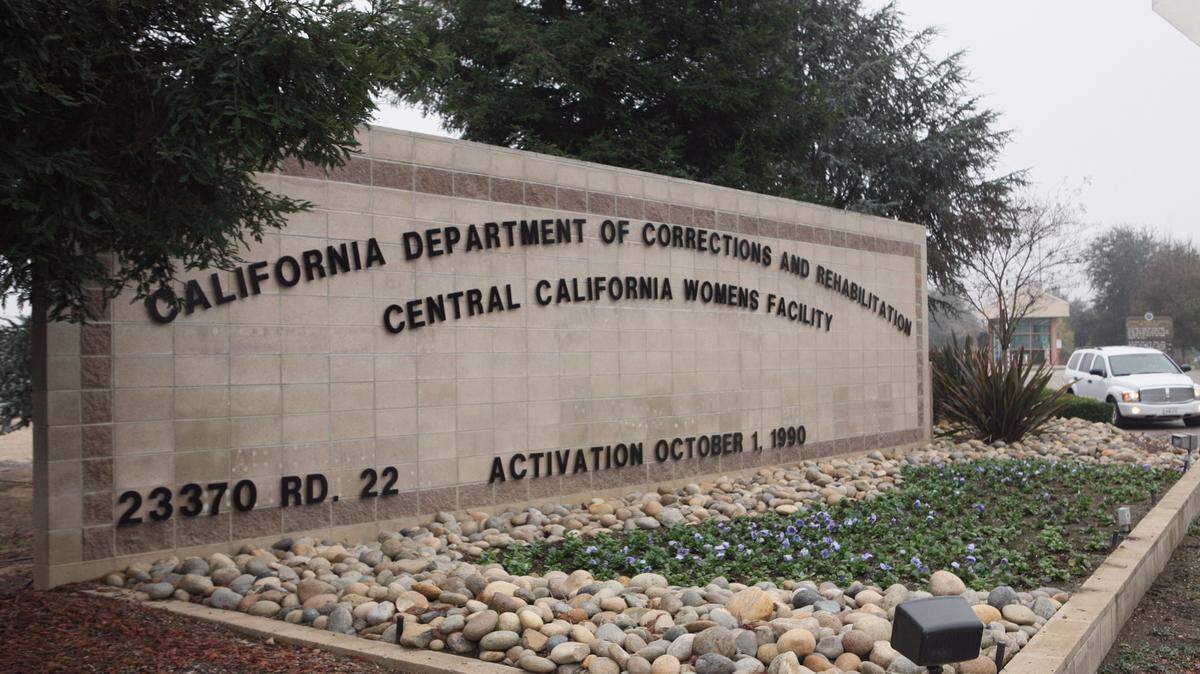
Earlier this year, former corrections officer Gregory Rodriguez was convicted of 64 counts of rape and sexual battery involving nine women incarcerated at the Central California Women’s Facility, the largest women’s prison in the world. In response, the state has chosen to publicly shame this man, devastate and isolate his family and throw his life away in an attempt to atone for allowing these women to endure such horrific abuse. But while this verdict may satisfy a public desire for retribution, it does little for the survivors of his violence.
These trials, with their deceptively narrow focus on the actions of a single man, shift focus away from the state’s complicity in both his violence and the ongoing systemic violence these survivors endure daily. The state is morally and legally responsible for the safety of all people in their care, but instead of protecting these women, it neglected, gaslit and threatened them — finally, forcing them to relive their trauma in front of the world, a jury of strangers and their abuser.
After they testified, they were returned to their cells, vulnerable to retaliation from the same officers and prison system that failed to protect them in the first place.
This public spectacle of punishment doesn’t address the ongoing harm that survivors face or create a safer or more just society for all of us. It mostly works to allay the fears of the public, who don’t understand that prisons are inherently violent institutions, designed to thoroughly dominate and dehumanize the people inside. The ingrained culture of these institutions enables and even encourages staff to utilize their state-given power to abuse and threaten vulnerable, isolated people. This trial and the officer’s forthcoming prison sentence are a distraction from the reality that these institutions don’t have the capability or motivation to actually stop physical, psychological and sexual abuse.
While the public drama continues, the survivors who testified at the trial face ongoing threats and retaliation. Most never reported their abuse out of fear, and were instead forced to publicly divulge every detail under subpoena. Meanwhile, the state doesn’t provide meaningful support or services for survivors of staff abuse or protection from angry prison staff. Even survivors who have been released continue to receive threats after they return home. There is no safety for survivors — or for anyone sentenced to incarceration in California — starting from the first moment they pass through prison gates.
These women will know safety again only when we decide to value their lives and well-being more than the false punitive justice offered by incarceration.
What we often fail to recognize is that we can reimagine justice outside of this carceral system. Transformative and restorative justice practices center the harmed person, prioritizing their life and needs and addressing the root causes of harm. Instead of locking people away and destroying their future, restorative practices require those who harm others to actively contribute to the healing of their communities. They ensure that survivors receive the resources and care they need to rebuild their lives without being forced to relive their trauma in a punitive, adversarial system. They ask the community to be accountable for creating the safety and care that is required to prevent future harm. This vision is not only possible, it is necessary.
Our reliance on incarceration is not just ineffective, it is complicit in perpetuating harm. When we consent to locking people up in isolated facilities and allowing staff to control every intimate aspect of their lives, we are implicitly inviting officers to manipulate, abuse and even rape them. By casting people out of our community, we signal that their lives are disposable and that harm is addressed only by inflicting more harm.
This cycle must end. As a community, we must reject the false promise of justice offered by the carceral system and the temporary gratification that comes with enacting retribution. Growth and repair may be possible if we actually give people a chance. True justice requires that we confront the systems that allow harm to persist and adopt new practices of transformative accountability and care.
We can create a world where no one is cast out or left behind, and where justice is measured not by the severity of punishment but by the depth of our compassion and commitment to healing.
This story was originally published March 21, 2025 at 5:00 AM with the headline "California corrections officer who abused female inmates is a symptom of a failing system | Opinion."