
Sacramento doctor: Not every child will beat the odds if we don’t take bird flu seriously | Opinion
For staff, it was another, typical winter day in the hospital: Child after child was coming into the emergency room with a cough, congestion or runny nose. Most had a viral upper respiratory infection and are sent home on supportive care. But one girl, 10-years-old, stood out. She didn’t get the influenza vaccine this year and caught the seasonal flu. She had underlying asthma and was struggling to breathe.
As a pediatrician, I explained to her worried parents that their daughter needed continuous airway pressure because her Albuterol treatment was not opening her airways fast enough. Unfortunately, even these interventions didn’t work, and the girl was intubated, an oxygen tube inserted down her throat, which is especially dangerous for someone with asthma.
This girl’s situation is occurring at hospitals around the country right now. One thing this year, however, is different: Pediatricians find ourselves at a crossroads because bird flu has been spreading, and if a person becomes infected with both seasonal flu and avian flu, we’ll be at serious risk of a new pandemic.
Influenza’s ability to shape-shift and reassort its genes with its viral cousins makes it easier for variants to emerge compared to other viruses. As of now, bird flu cannot easily infect humans, and the Centers for Disease Control and Prevention (CDC) says the risk to the public is low. However, if a person were to be infected with both seasonal and bird flu, it only takes one reassortment event to make a new type of flu that can spread easily among humans because there will be no immunity to stop it.
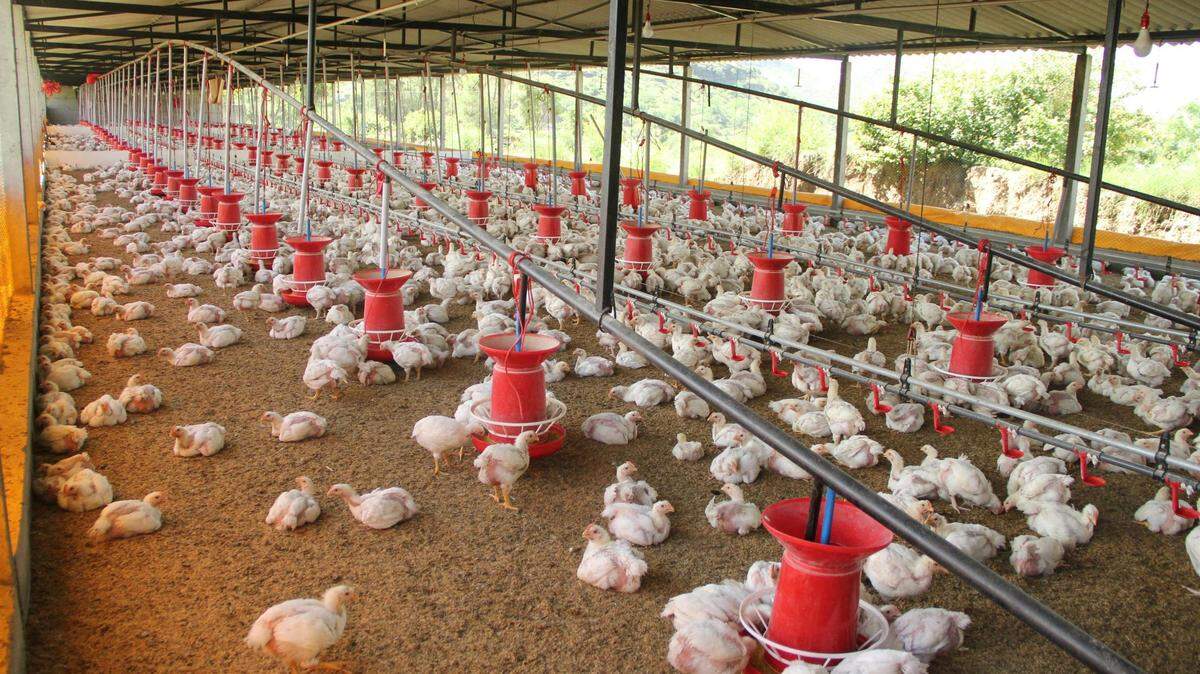
The alarm bells are ringing. Since January of 2022, nearly 150 million poultry have been affected by bird flu, and 67 people have contracted the disease in the United States, with one death. Of these 67 people, one was a child with mild sickness, but a critical case in a Canadian child has also been reported. Most cases involve direct exposure with infected dairy cattle and poultry, but most concerningly, a few cases involve no known cattle exposures, suggesting that they may have been infected by person-to-person transmission. Recently, the CDC has advised doctors to test for bird flu among hospitalized patients suspected of having a respiratory virus to increase surveillance of this new strain.
While this surveillance continues, the guardrails to defend against its pandemic potential have been weakened. President Donald Trump has decided to withdraw from the World Health Organization (WHO), a supranational institution meant to create communication lines between nations and prevent or mitigate outbreaks. Our withdrawal means the U.S. will no longer set the public health agenda at the WHO, and our absence will create a power vacuum — leaving the U.S. and the world at risk of outbreaks from bird flu or other infectious diseases.
Furthermore, vaccine hesitancy has found a seat at the table in the new administration with Robert F. Kennedy Jr.’s confirmation as head of Health and Human Services, making one of our best lines of defense obsolete should a larger outbreak occur.
Thus far, the State of California and one county in Colorado have declared bird flu emergencies, which have mobilized the resources needed to protect the vulnerable. The American Academy of Pediatrics and other medical organizations have released statements in favor of remaining in the WHO. We also need to communicate to our lawmakers the urgent need to devote resources to test for and detect bird flu, part of which involves remaining in the WHO and preventing further pauses or cuts in federal aid to scientific research.
And we, as doctors, need to have uncomfortable conversations surrounding vaccine hesitancy with some of our patients and their parents.
Some of the efforts taken to control the virus in California may be paying off, as noted by the decrease in case counts among farm animals in Tulare County over the past two months. However, a different variant of bird flu was recently found in a Nevada dairy farm on January 31. Disturbingly, this variant is suspected to cause more severe disease in humans than the original strain that has been spreading among dairy farms. Furthermore, we know that we are not adequately testing for bird flu in the Central Valley’s wastewater — right where Tulare County sits. This means we may have more cases unaccounted for, or worse: circulation of an unknown variant.
Though the 10-year-old girl I saw in the emergency room improved after several days of treatment, she and her family will forever carry the trauma of the experience with seasonal influenza. Even if we ignore the physical and mental disabilities associated with severe infection, not every child will beat the odds if we fail to take bird flu seriously.
This story was originally published March 2, 2025 at 6:00 AM with the headline "Sacramento doctor: Not every child will beat the odds if we don’t take bird flu seriously | Opinion."