
High school club football plan drops the ball on what’s best for students
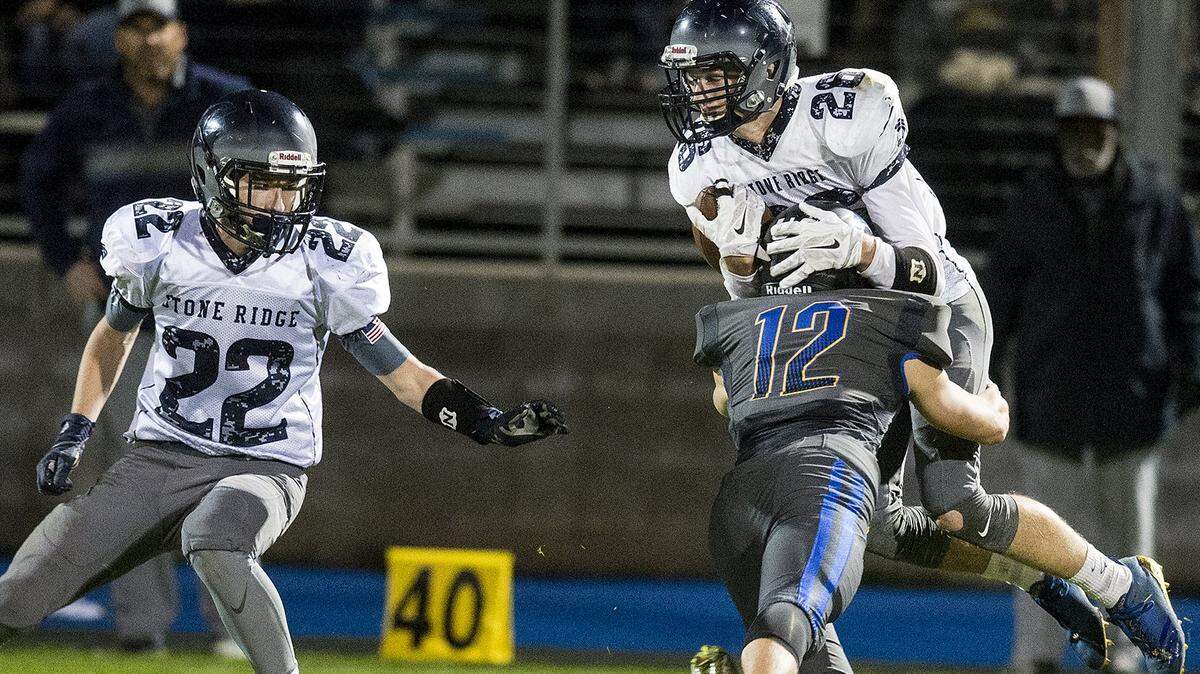
Student-athletes, parents, coaches and school administrators lured by the glitter of Friday night lights in February should make certain they know what they’re getting into as they launch club football.
A new club calling itself the California Association of Private Sports intends to host high school-age football games through March in Modesto, Ripon, Merced and Sacramento for at least a dozen teams with 640 players and 150 coaches. CAPS knows that state COVID-19 guidelines may not allow a school-sanctioned spring football season unless virus numbers drastically improve.
In Merced, Stone Ridge Christian is on the CAPS schedule to host a game. The club season got underway Friday night.
Everyone sympathizes with football players sidelined by the pandemic, especially high school seniors with few prospects for honing and showing off athletic skills typically needed to land a spot on a college team. The frustration of having skipped fall sports, and uncertainty about a spring season with the virus not yet under control, is real.
But the downsides of participating in a sneaky club ignoring state health regulations easily could outweigh perceived benefits.
First is player safety. The California Interscholastic Federation, which sanctions prep sports, has strict guidelines designed to make football — already inherently dangerous — as safe as possible. Helmets, for instance, must be certified every two years.
The CIF is not ignorant of the need kids have to compete, for reasons of mental and physical health as well as their scholastic futures. They’re starting with the safest school sports first — golf, tennis, cross country, swimming and diving, all of which are ramping up.
But club football is supposed to have no tie to schools or CIF, and CAPS needs to follow no such safety rules. Not to mention possible coronavirus exposure in groups of players and fans, which remains a concern even though football competition in less restrictive states has proven less of a problem than many expected.
Second is exposure to sanctions, which could be levied if CIF investigations reveal that schools are cooperating with club football in violation of CIF rules. At most risk are private schools whose teams are known to be practicing — because they’re out on fields weekdays in plain view, at least in Modesto and Ripon, and because their mascots and team names are knock-offs of the schools’.
If CIF deems some schools or players ineligible for spring football, will having played for a rogue league be worth it?
Put yourself in the shoes of a football coach whose school is following the rules — not practicing and patiently waiting for word from the state that it’s OK to suit up, which could come at any time. How upset might you be that scofflaw schools down the street or across town are gaining the unfair advantage of having started revving up weeks and even months earlier?
This is a big deal. Football is not like some other sports requiring little prep time before a season. Every week you’re not practicing while your competition is puts you further behind. And yes, private schools integrate with public schools for CIF league play. That’s why more than a few honest coaches are livid.
And it’s one reason many CAPS participants have avoided media.
Normally, coaches, players and parents are quite chatty about the sport they love, but CAPS participants are tight-lipped this time because they know what they’re doing isn’t completely on the up-and-up. If they were doing everything right, they would have nothing to hide.
What do we teach the rising generation when we say, “Don’t worry about your friends who aren’t as lucky; just take care of yourself”?
These players are student-athletes. The “student” part comes first. The focus should be on getting them back to campus, not rushing them to take part in an activity that could push the return date back even further.
This story was originally published February 14, 2021 at 5:00 AM with the headline "High school club football plan drops the ball on what’s best for students."