
Meddling senators get in way of Iran deal
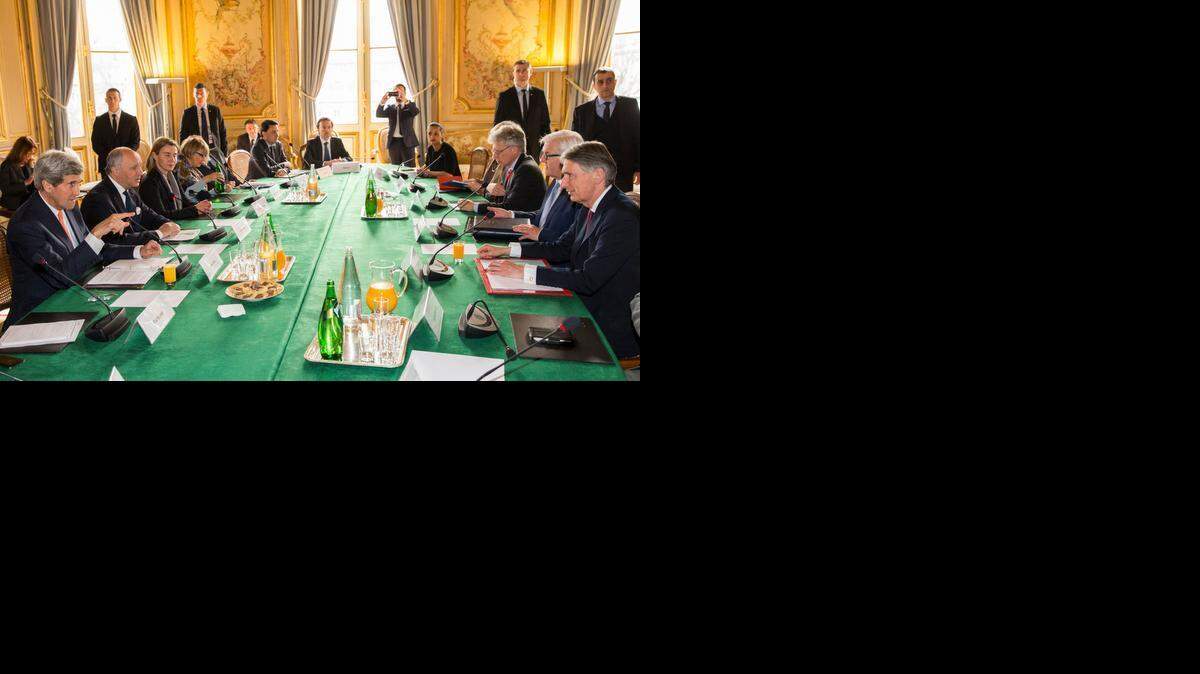
It didn’t go unnoticed that the Republicans in Congress greeted Israeli Prime Minister Benjamin Netanyahu – who came to criticize the nuclear weapons deal American and European diplomats are trying to work out with Iran – like a rock star last week. It was sort of an in-your-face slap at President Barack Obama.
Whether or not the president deserves to be metaphorically slapped around for issuing executive orders and ignoring congressional prerogative, it’s a step too far when 47 Republican senators write a letter to the leaders of a potential enemy. Especially if the intent of the letter is to sabotage sensitive negotiations being conducted by the executive branch.
Whom, we ask, were the 47 senators who signed the letter to the government of Iran representing?
Does their enmity toward President Obama run so deep that they would risk derailing a matter of national security with such a childish endeavor?
Preventing Iran from developing nuclear weapons is a goal most people across the globe support. If diplomacy can delay that eventuality for a decade, we believe that is preferable to a military strike that could spark a wider war in the Middle East.
The “Dear Iran” letter organized by Sen. Tom Cotton, R-Ark., might not violate the Logan Act – the 217-year-old law that bans citizens from corresponding with foreign governments to influence policy without official permission – but it amply demonstrates the disarray and petty politics that exists within our government.
In words appropriate for a sophomore civics class, the letter points out that treaties must be ratified by a two-thirds vote of the Senate. It argues that any deal not approved by Congress is a “mere executive agreement.” The letter then “explains” that presidents can serve only two terms and that Obama leaves office in January 2017, while senators don’t face term limits and “most of us will remain in office well beyond then – perhaps decades.”
The assertion is that any weapons deal Obama makes with Ayatollah Khamenei could be revoked by the next president, “with the stroke of a pen and future Congresses could modify the terms of the agreement at any time.” We’re betting the mullahs already knew that.
It’s the Republican senators who signed the letter – including Senate Majority Leader Mitch McConnell and presidential aspirants Ted Cruz of Texas, Rand Paul of Kentucky and Marco Rubio of Florida – who need a remedial civics class.
The Constitution gives the president broad authority to conduct foreign policy. The Senate’s “advise and consent” role covers formal treaties. The potential deal on Iran’s nuclear weapons program is not a treaty. It is a multinational agreement that involves Britain, China, France, Germany, Russia, the United States and Iran.
Apparently, the senators and their consultants could use some lessons in politics as well. After Netanyahu’s speech to Congress last week, Republicans gained some momentum on the Iran nuclear issue. With the letter, they wasted that and raised questions about their fitness to govern.
Predictably, Democrats were appalled. Sen. Barbara Boxer called the “bizarre, inappropriate letter” a desperate ploy to scuttle the talks.
Said Sen. Dianne Feinstein: “This letter only serves one purpose – to destroy an ongoing negotiation to reach a diplomatic agreement in its closing days.”
Perhaps someone should ask the 47 senators which country they were actually representing with their letter? The United States or Israel? And according to the most recent polls, there’s a good chance Netanyahu will no longer be prime minister in a week.
Seven Republican senators had the good sense not to sign. “I don’t think that the ayatollah is going to be particularly convinced by a letter from members of the Senate, even one signed by a number of my distinguished and high-ranking colleagues,” said Sen. Susan Collins, R-Maine.
The best way to deal with any foreign nation is from a position of strength. Was this letter a sign of weakness or petulance?
This story was originally published March 11, 2015 at 11:19 PM with the headline "Meddling senators get in way of Iran deal."