More rain is headed to Stanislaus County. Who is most at risk for flooding?
Heavy rain soaked Stanislaus County as the “coldest storm of the season” swept across California, bringing gusty winds and rolling thunderstorms — and the wet weather isn’t over yet.
More rain, breezy conditions and colder temperatures are expected in the Modesto area this week, according to the National Weather Service.
“Although the heavier rainfall have diminished, the cold front and shortwave energy dives southward along the West Coast and will bring renewed rainfall,” the weather agency said in an area forecast discussion on Tuesday, Feb. 17.
Forecasters expect about another half-inch of rain in the Modesto area through Thursday, Feb. 19.
With additional storms on the way, flooding remains a concern during extended periods of rain, according to the National Weather Service..
Where are flood risks highest in Stanislaus County? What can residents do to prepare?
Here’s what to know as the rainy season continues:
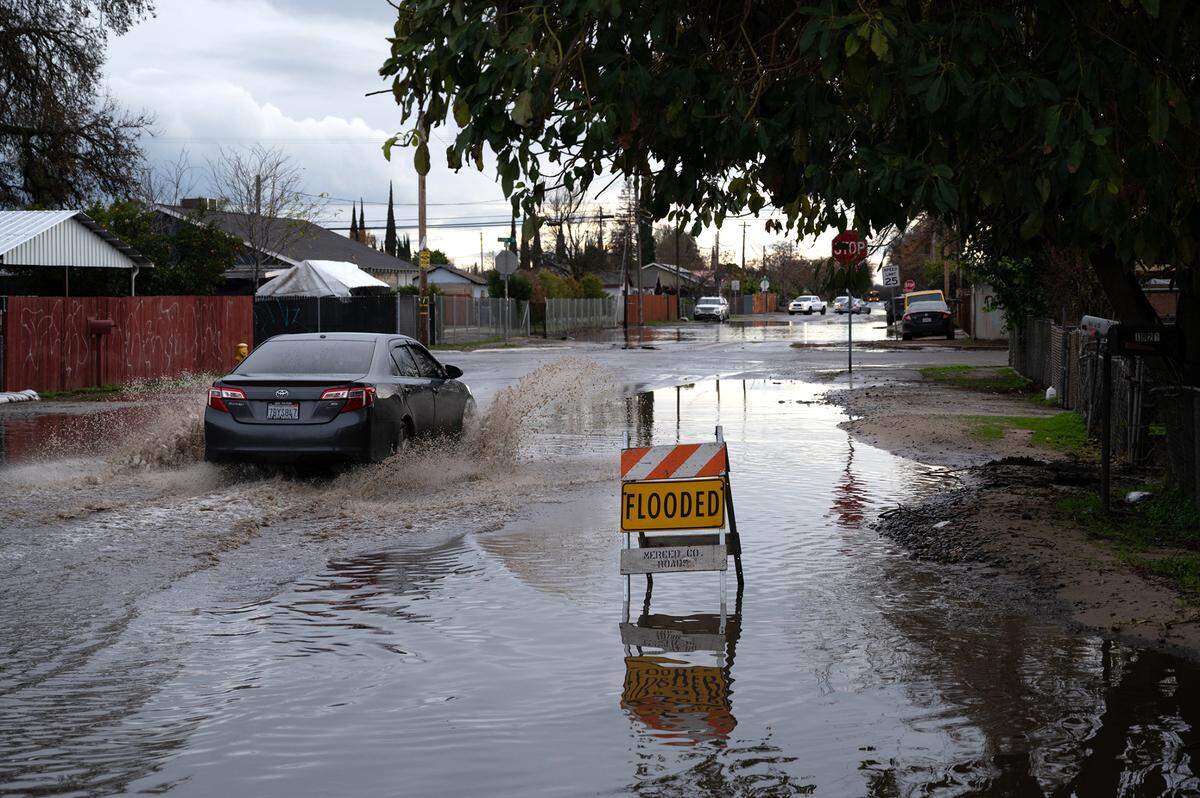
What are flood risks in Stanislaus County?
Flooding can occur when steady rain falls over several days, when intense rain falls in a short time or when debris blocks rivers and streams, causing water to overflow into nearby areas, according to the National Weather Service.
“Flooding is a coast-to-coast threat to the United States and its territories in all months of the year,” the weather agency said.
About 30,000 Stanislaus County residents, or 5.4% of the county’s population, live in moderate risk areas for flooding, The Modesto Bee previously reported.
An additional 10,000 live in high-risk areas.
Which areas are at highest risk of flooding?
Flood-prone areas of Stanislaus County include neighborhoods near the San Joaquin River, Dry Creek and parts of west and south Modesto, according to the Federal Emergency Management Agency.
To see if you live in a flood-risk area, you can type in your address into FEMA’s flood map service center.
How can I prepare for a flood in Stanislaus County?
According to the California Department of Water Resources, you can prepare for flooding by following these three steps:
- Be aware: Check to see if your home is in a flood zone and stay updated on weather alerts.
- Be prepared: Have a flood evacuation plan ready with a prepared emergency evacuation kit and copies of your important documents.
- Take action: Evacuate when you are advised to.
Standard homeowners’ insurance does not cover flood damage. The state department recommends purchasing flood insurance.
To prepare for flooding, ask local officials if your property is in a flood-prone area and learn about flood warning signals and evacuation routes, according to the Stanislaus County Office of Emergency Services.
Purchase a National Oceanic and Atmospheric Administration weather radio for alerts. You can also plan evacuation procedures with your household, the county said.
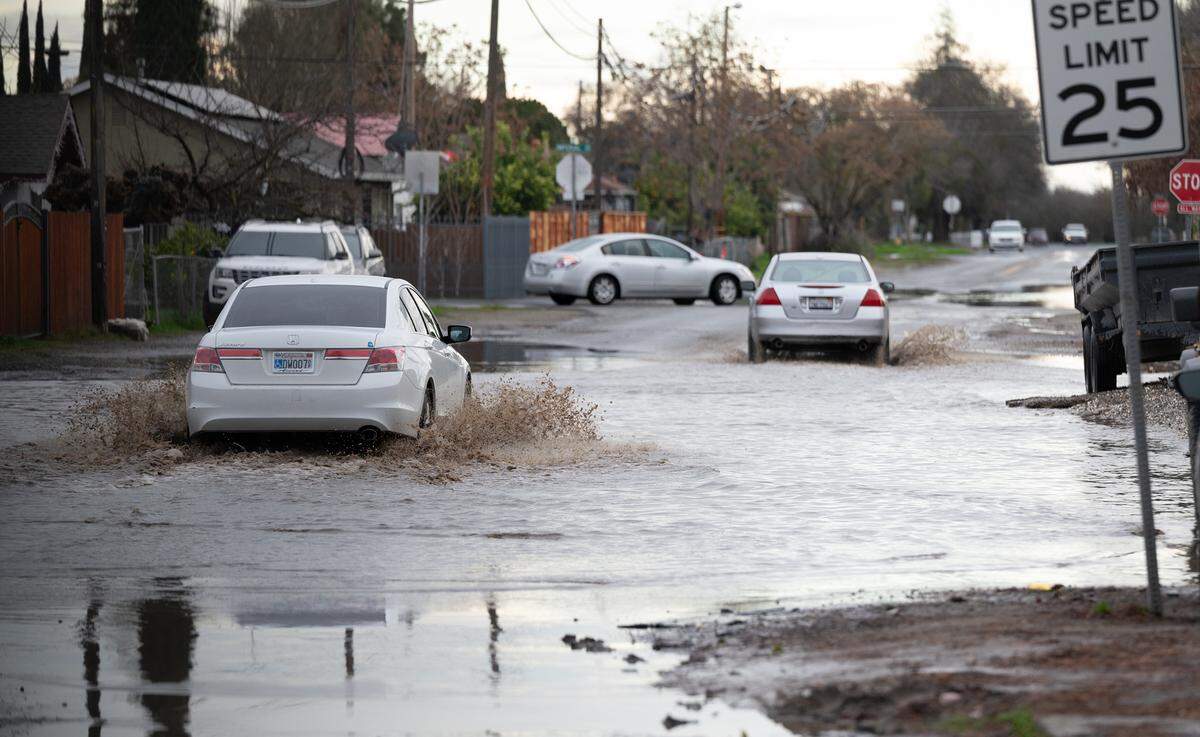
What should I pack in my emergency supply kit?
Be ready to survive for three days with an emergency supply kit, which should include:
- A supply of water.
- Non-perishable food and a manual can opener.
- A change of clothes, rain gear and sturdy shoes.
- Blankets or sleeping bags.
- A first aid kit and prescription medications.
- Extra glasses, if needed.
- A battery-powered radio, flashlight and extra batteries.
- Credit cards and cash.
- An extra set of car keys.
- A list of family physicians and key contacts.
- Special items for infants, the elderly or disabled family members.
You can also prepare by storing important documents in a safe location and knowing how to shut off utilities.
You can protect your property by elevating key utilities, installing check valves and sealing basements, according to the Stanislaus County Office of Emergency Services.