Sierra snowpack is just 27% of average. Here’s why Stanislaus water users need not panic
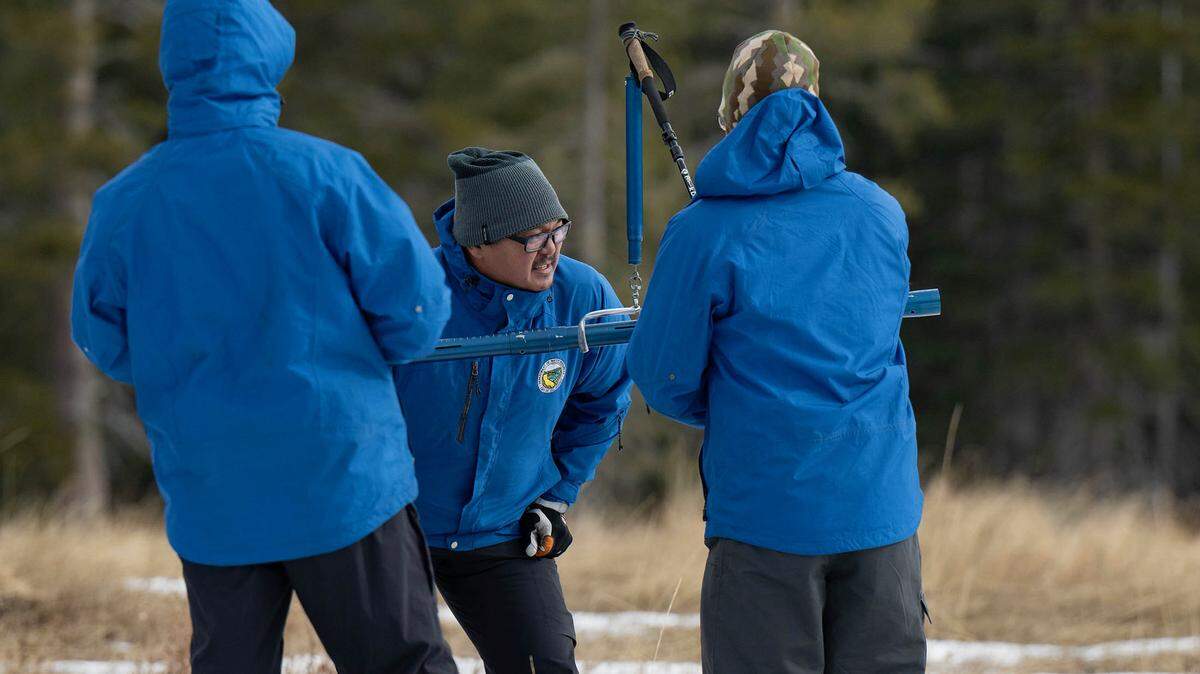
The snowpack stands at just a quarter of average in the main watershed for Stanislaus County.
That does not mean a return to drought restrictions for farms and cities that rely on the central Sierra Nevada. It’s still early in the storm season, and reservoirs still hold plenty of runoff from last winter’s very wet conditions.
The California Department of Water Resources on Tuesday morning released its first snowpack readings for the water year that started Oct. 1. The central Sierra was at 27%, compared with 182% a year ago. The report does not include Tuesday night’s moderate storm.
The wet weather typically runs from November through March, so the state has time to build up the water supply, a DWR news release said.
“It’s still far too early to say what kind of water year we will have,” said Sean de Guzman, manager of snow surveys and water supply forecasting, “and it will be important for Californians to pay attention to their forecasts and conserve water, rain or shine.”
Reservoirs carry over 2023 runoff
The state’s major reservoirs are at 116% of the historical average for this time of year, DWR said. One of them is Don Pedro on the Tuolumne River, shared by the Modesto and Turlock irrigation districts. Another is New Melones on the Stanislaus River. It supplies the Oakdale and South San Joaquin irrigation districts and the federal Central Valley Project.
Valley rain is doing better than the snow, but it is a minor part of the overall supply. MID reported 2.74 inches of rain at its downtown headquarters through December, compared with a historical average of 4.33 inches. Tuesday’s storm added 0.4 inches.
The rain can cause isolated street flooding in places lacking adequate drainage, such as west and south Modesto.
The National Weather Service forecast up to 0.1 inches of rain Wednesday afternoon and evening. Up to 0.25 inches more could fall between Thursday night and Saturday.
Drivers should watch out for patchy fog during breaks in the rain, when some of the ground moisture evaporates.
El Niño could mean wetter months
The NWS has said that California is in an El Niño phase, created by warm ocean water near the Equator. That suggests an above-average chance of storms through March.
The state has had wild swings in winter weather over the past decade. Rain and snow were below average from 2012 to 2016 and above in 2017 and 2019. A three-year drought followed, and then the deluges of last winter.
“California saw first-hand last year how historic drought conditions can quickly give way to unprecedented, dangerous flooding,” DWR Director Karla Nemeth said. “Although El Niño does not guarantee an above-average water year, California is preparing for the possibility of more extreme storms while increasing our climate resilience for the next drought.”