Valley fever cases soar in Stanislaus County. What’s the reason for the big increase?
This story is part of a Modesto Bee series on climate change impacts for Stanislaus County. A warming environment will bring severe heat waves, health hazards, longer droughts, impacts on schools, problems for agriculture and water management, and many other changes.
Valley fever may be infecting more people in Stanislaus County as the global environment warms because of climate change.
Health officials said the heavy storms this past winter and subsequent drying-out period created conditions for the spread of Valley fever.
The Stanislaus County Health Services Agency and the state are warning the public and declared August as an awareness month for the infectious disease, which causes around 80 deaths in California each year.
Fewer than 1,000 Valley fever cases were recorded statewide in 2000, but the annual number grew to an all-time high of 9,000 in 2019.
Dr. Thea Papasozomenos, public health officer for Stanislaus County, said the county’s annual Valley fever cases were in the single digits or teens during the early 2000s. But the caseload is now 60 or higher on an annual basis.
There were 81 confirmed cases in 2016, and 86 in 2021, for a rate of 15.3 per 100,000 residents. The county had 79 cases last year.
San Joaquin and Merced counties had 117 and 81 cases, respectively, in 2021.
Climate change is expected to produce more atmospheric-river storms that soak the ground. The “cocci” fungus causing Valley fever grows more readily in the moist soil.
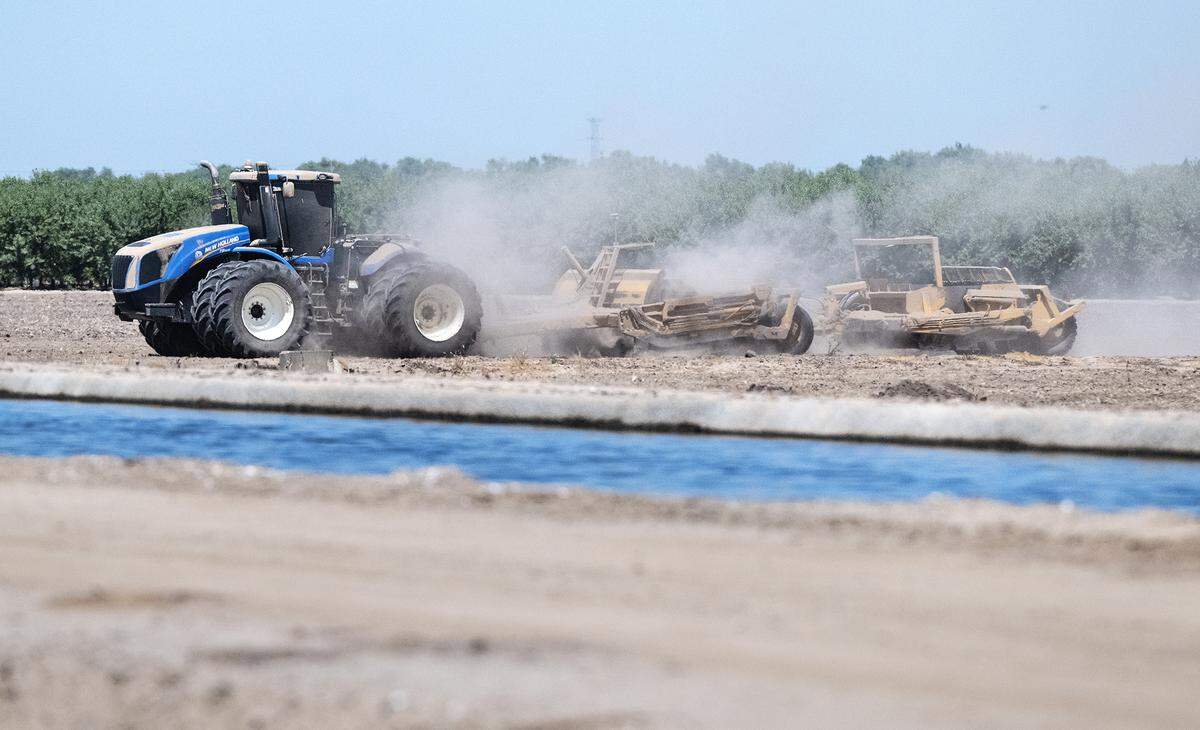
The hotter temperatures in the San Joaquin Valley dry out the ground and create larger amounts of dust. The wind spreads around the cocci-laden dust particles thereby infecting individuals.
The American Lung Association cited a National Oceanic and Atmospheric Administration study on dust storms in the Southwest United States. Dust storms increased 240% from the 1990s to 2000s. Valley fever cases grew by 800% from 2000 to 2011.
Valley fever is a health issue in areas where the fungus is endemic, such as the Central Valley and Central Coast region of California. The cocci fungus is most prevalent in undisturbed soil and may infect people who are digging.
If people breathe in the fungus, it can infect their lungs and cause symptoms including fever, cough, chest pain and fatigue, says the California Department of Public Health.
The illness may last for weeks or a few months, resulting in more than 1,000 hospitalizations in the state each year. The infection in rare cases can spread to other areas of the body, including the brain, and cause death.
“Residents should be aware this is an issue in our region of California, especially if they work in one of the high-risk occupations,” Papasozomenos said.
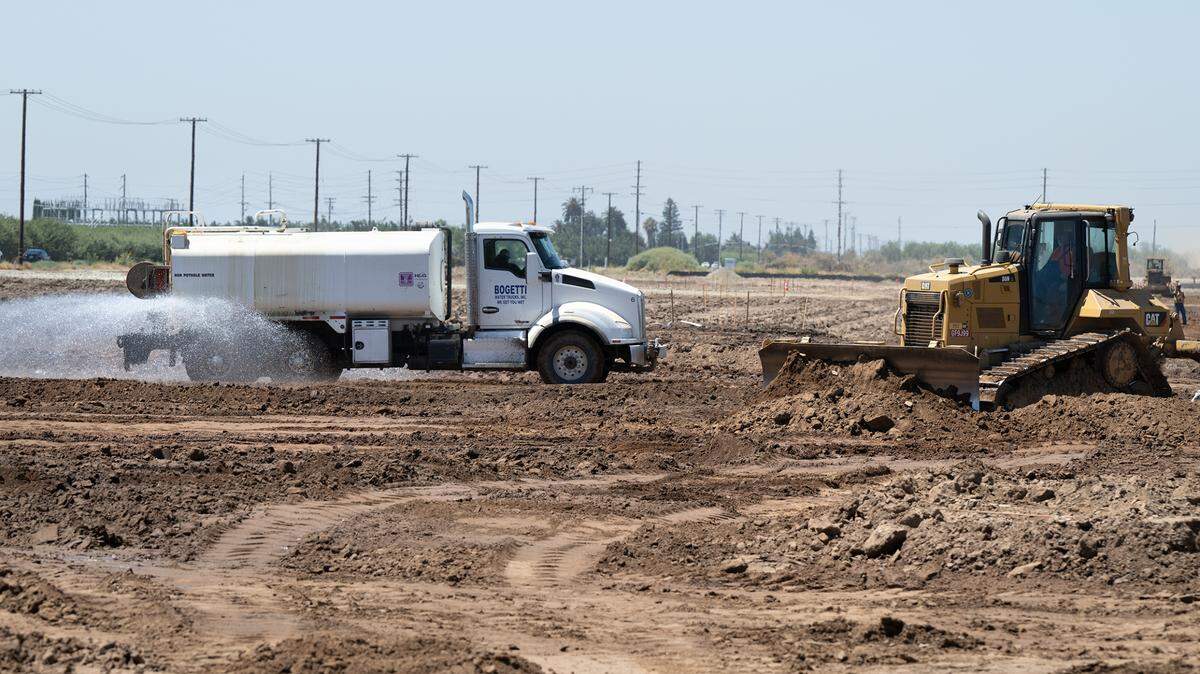
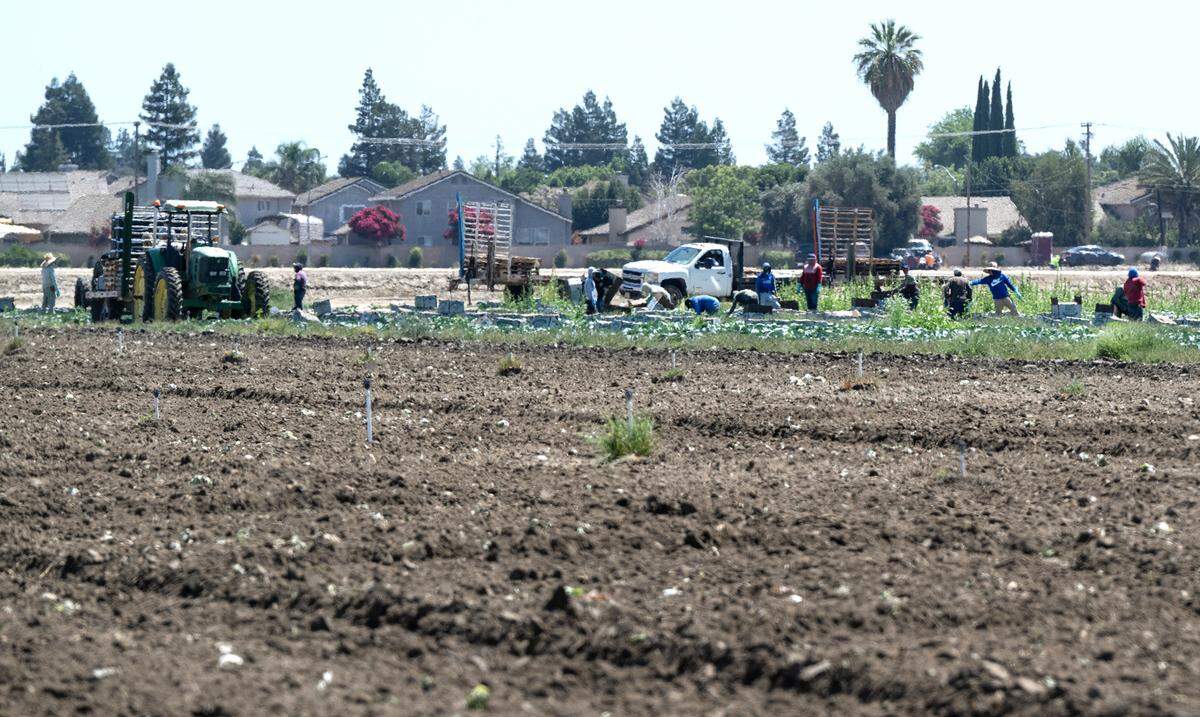
The risk of exposure is greater for construction workers, people working in gas or oil extraction, agricultural workers, geologists and archaeologists, according to the Centers for Disease Control and Prevention.
For workers, prevention tips include:
- Wetting down soil before digging to reduce dust.
- Facing away from the wind direction when digging.
- Wearing an N95 mask or respirator.
- Changing dust-covered clothes after returning indoors.
- Don’t shake clothes, stirring up dust, before washing.
County residents should avoid dusty areas and outdoor activities that involve contact with dirt or dust.
This story was originally published August 14, 2023 at 7:00 AM with the headline "Valley fever cases soar in Stanislaus County. What’s the reason for the big increase?."