Waterways still high, evacuation orders remain as Stanislaus braces for next storm strike
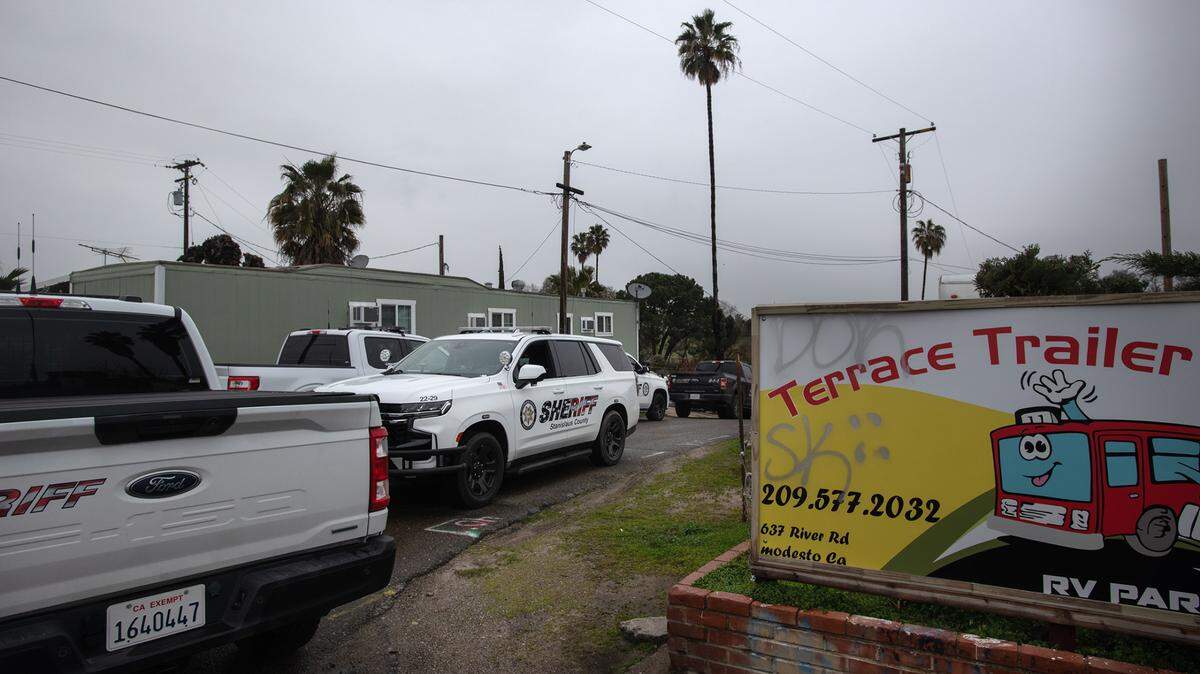
Residents along a stretch of the Tuolumne River in Modesto and along the San Joaquin River in Newman remained under evacuation orders Saturday for a National Weather Service flood watch that’s in effect through Sunday morning.
As of Friday night, though, the majority were choosing to stay in their homes, said sheriff’s Deputy Raj Singh, a spokesman for the Stanislaus County Office of Emergency Services.
The region largely was rain-free from Friday afternoon through at least much of Saturday, but StanEmergency noted, “Both rivers are currently flood monitor stage and forecasted to remain there for the next several days.” Singh urged that residents under evacuation warnings get prepared.
Two evacuation shelters are available for residents, according to StanEmergency on Facebook.
- The Salvation Army Red Shield Community, 1649 Las Vegas St. in Modesto. This location allows small animals if they are secured in kennels.
- The Stanislaus County Fairground, 900 N. Broadway in Turlock. Pets are allowed to shelter, and spots are picked out for large animals.
For information on the shelters, including what you can bring, the Stanislaus County Offices of Emergency Services Flood Line is 209-552-3880.
Patterson High School is not expected to be used as a shelter, Singh said. Only one person was there and has since moved to the Modesto shelter.
Stanislaus County issued an evacuation order around 4 p.m. Friday for River Road between South Ninth and Avon streets. The order covers any residents or businesses in the evacuation area on the north side of River Road, along the south banks of the Tuolumne.
The last measurable rain was .01 inches in the 3 p.m. hour Friday, according to the Modesto Irrigation District. More rain was expected Saturday afternoon, according to the National Weather Service.
Modesto isn’t expected to see heavy storm rains again until Monday, Singh said Saturday. And though the Weather Service’s seven-day Modesto forecast includes “heavy” rain Saturday and Saturday night, it notes, “New rainfall amounts of less than a tenth of an inch, except higher amounts possible in thunderstorms.”
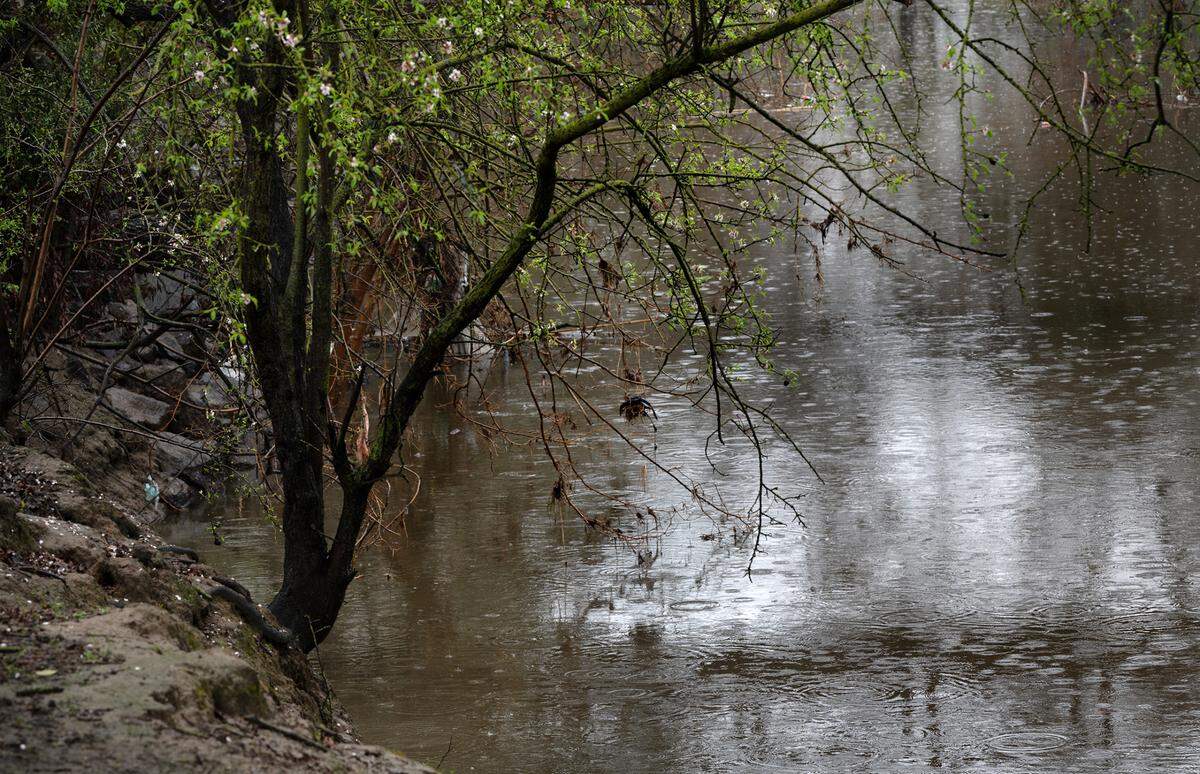
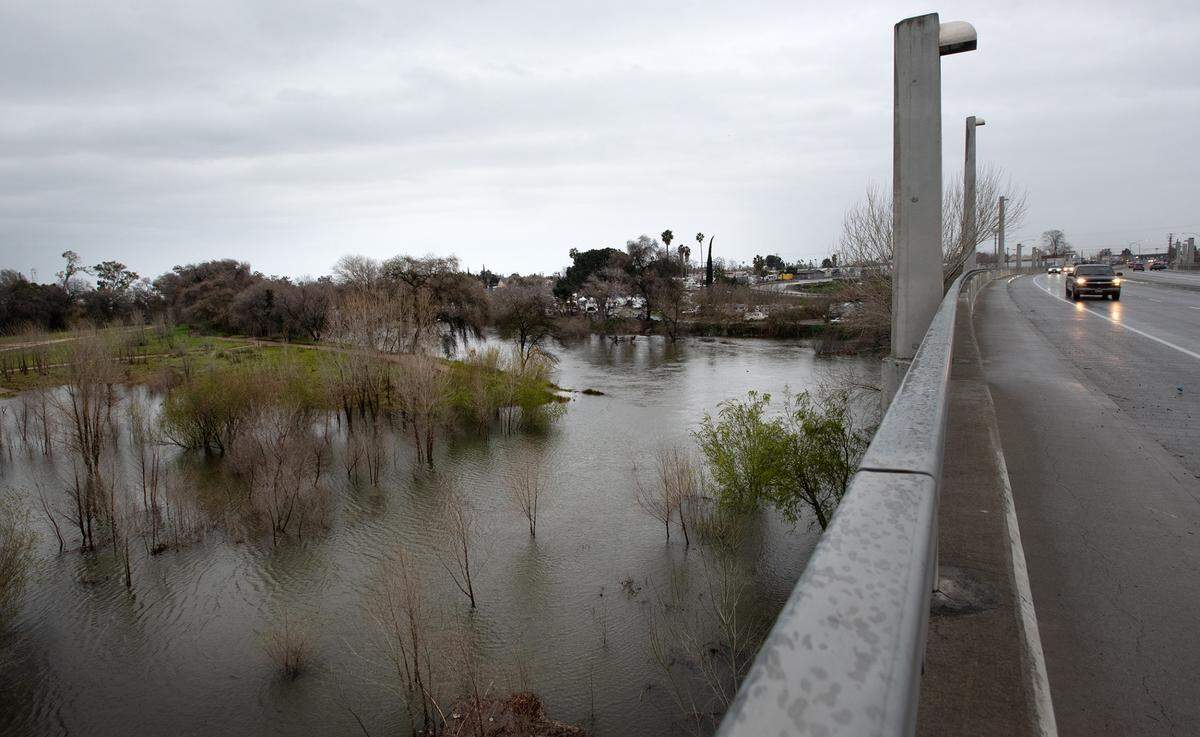
But the flood watch and evacuation warnings and orders are in effect because rain in Stanislaus, Tuolumne and even Calaveras counties will bring water downstream into the Tuolumne River.
According to StanEmergency, the Tuolumne was expected to rise to 54 feet overnight Friday into Saturday, this did not happen. Flood stage is at 55 feet along the River Road section of the Tuolumne.
As of 9 a.m. Saturday, Tuolumne River was at 51.5 feet, according to the National Oceanic and Atmospheric Administration, and was expected to reach 52.1 feet by midafternoon before beginning to recede temporarily.
The NOAA’s California Nevada River Forecast Center’s online page for the Tuolumne shows it reaching flood stage Wednesday morning.
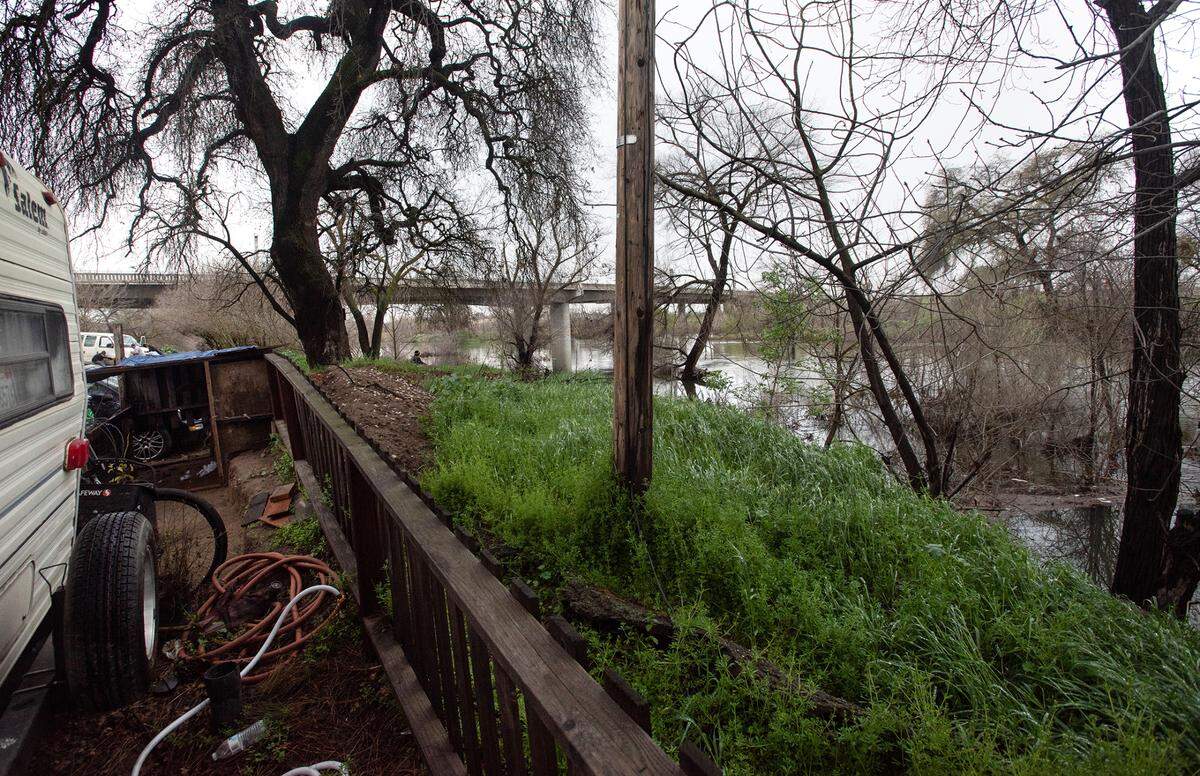
Singh said officials have issued evacuation warnings early, to give people the time to make a plan in case they need to move trailer homes and RVs.
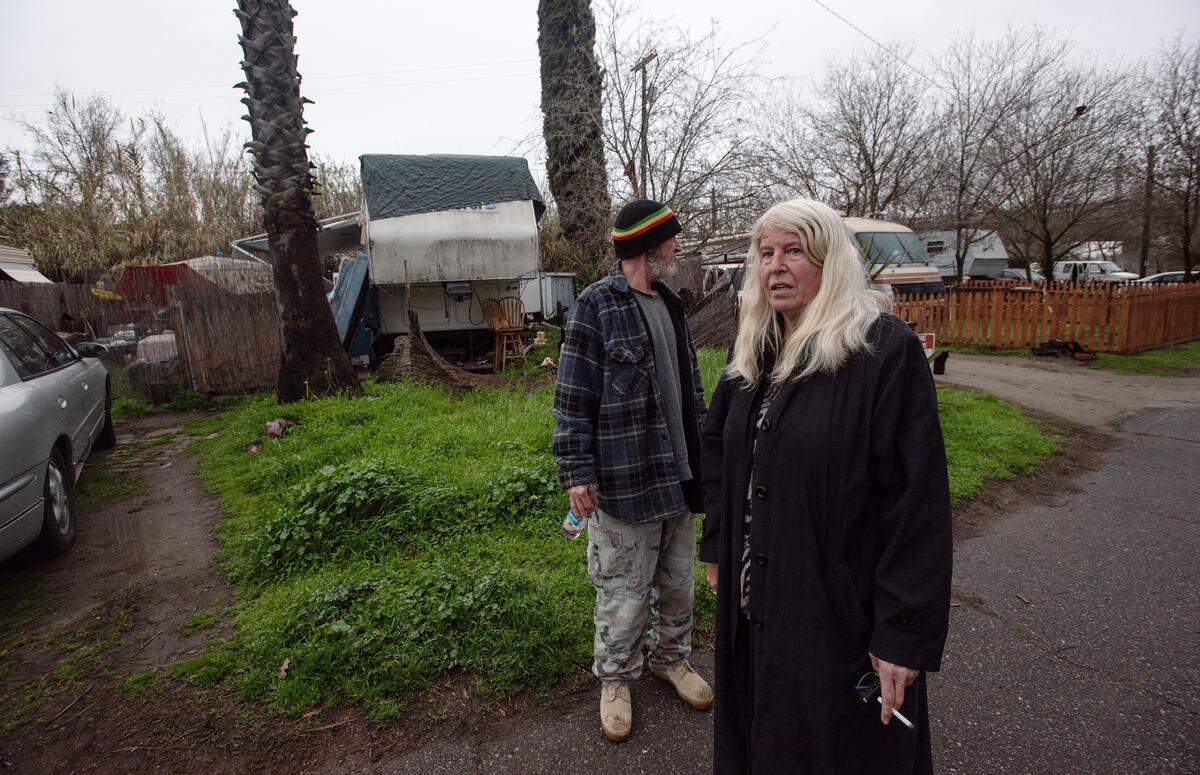
“The main issue people run into when they have RV-style trailers and mobile homes is they need to have a truck to pull a trailer out because the tires are flat or something like that,” Singh said. Public Works is unable to spare equipment during the storm, so people are asked to make their own plans for getting trailer homes out of the flood zone.
Officials have more control over water flow because of the dam on the Tuolumne River, Singh said. This could help give residents more time and information as water comes downstream.
“Dry Creek is not controlled and it comes right into the South Ninth Street area downtown,” he said. The creek rose about 10 feet between Friday and Saturday mornings, according to an NOAA graphic, but was predicted to recede through Sunday morning.
Stanislaus County advise residents to use the Federal Emergency Management Agency (FEMA) checklist to make sure they’re not leaving anything important behind if they evacuate.
Singh said some main things for evacuees to consider are:
- Pack everyday medications
- Contact lists
- Preparing multiple route options to leave your home, in case fallen trees or other obstacles are in the way of your normal exit
- Ask yourself where you’ll go. Shelter, family or friend’s home?
- Pack important documents
- Phone/ Laptop chargers

This story was originally published March 11, 2023 at 11:33 AM.