Can we catch more of this winter’s huge runoff? Two Stanislaus area projects show how
The past few weeks have shown that plenty of rain can fall on the Central Valley even as the planet generally warms.
Two projects in and near Stanislaus County demonstrate how some of the storm runoff could be captured for use in dry times. Both involve spreading water over the ground so it seeps into aquifers stressed by decades of pumping.
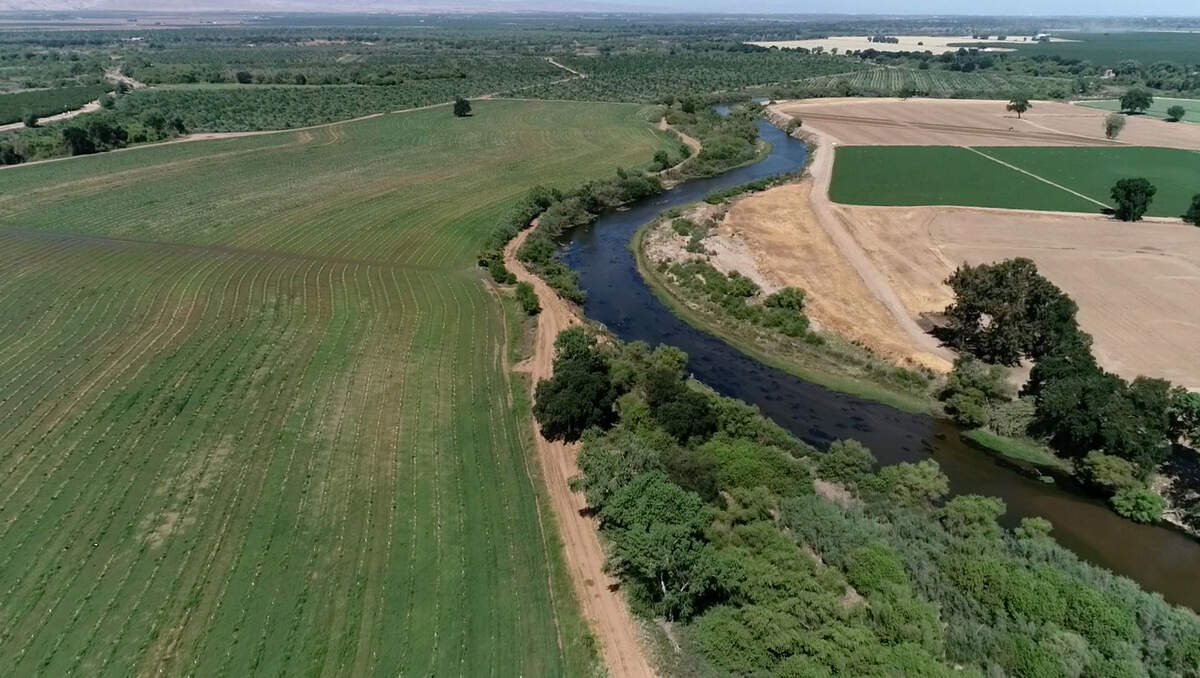
One is Dos Rios Ranch, a 2,100-acre floodplain restoration where the Tuolumne and San Joaquin rivers meet. The nonprofit River Partners and its allies have spent a decade on the effort.
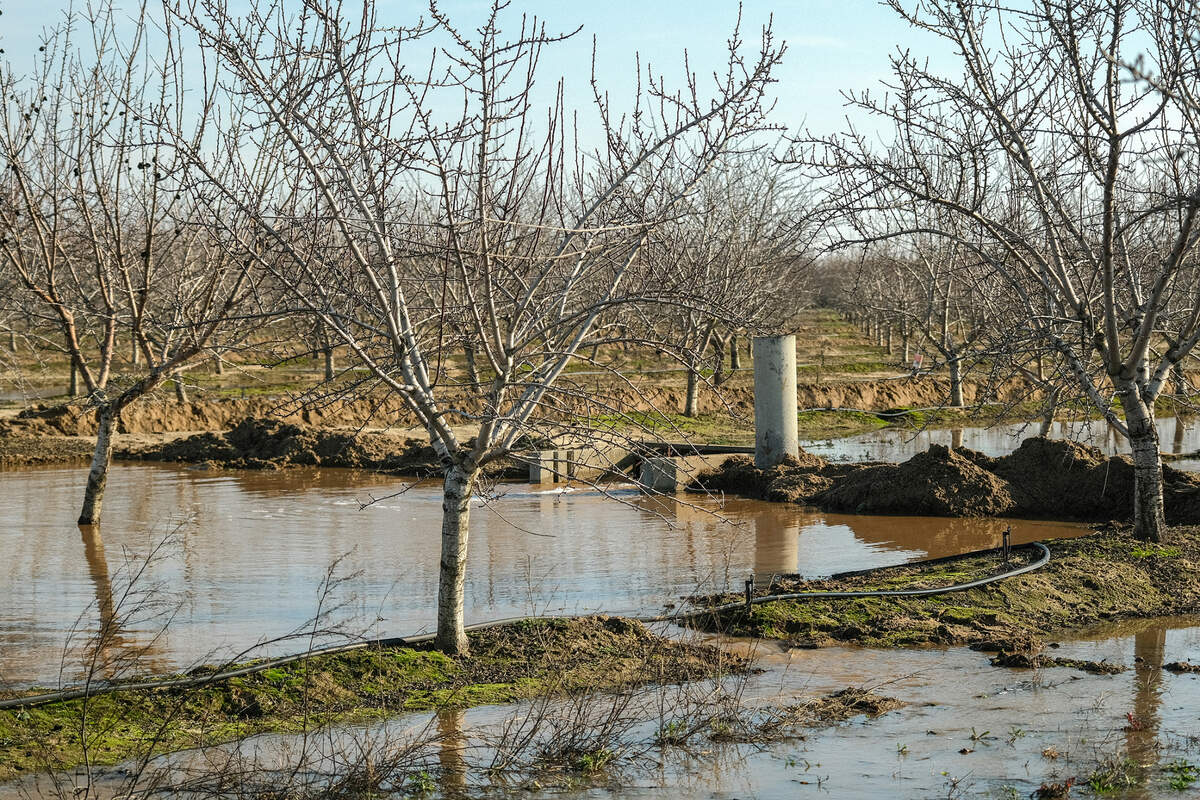
The other project is much newer and smaller — 31 acres of almond orchards near Ballico in Merced County. Starting in December, it has been intentionally flooded with nearby storm runoff. The Turlock Irrigation District is testing this idea with the California Department of Water Resources and the nonprofit Sustainable Conservation.
The projects are part of an emerging consensus that groundwater recharge, rather than new dams, would best prepare the Valley for climate change.
Above-ground storage still will be crucial, but dams are costly to build and stir protest from environmental groups.
Recharge has support from both farm and green groups, as well as water managers. Restored floodplains are especially popular because they provide wildlife habitat while protecting downstream homes from disaster.
“In short, we have limited capacity in our reservoirs — and not many more places where we can build more dams economically,” said a Jan. 5 blog post by Jeffrey Mount, senior fellow at the Public Policy Institute of California.
“We do, however, have lots of space in our groundwater basins, but we are not currently set up to get enough of that excess water into the ground right now.”
Reservoirs play a role
Most of the runoff so far this winter has been captured in reservoirs in the Sierra Nevada foothills and higher. They need it, after being drawn down by drought the past three years.
Below the reservoirs, the rain runs off into creeks and rivers and seeps into the ground on farms and elsewhere.
The TID project aims to concentrate the recharge in an area prone to groundwater overdraft. The storm runoff normally would flow to the Merced River via an irrigation canal shut down for winter. The district instead is diverting it to the almond orchards, chosen because their soil is suited to this process.
The first application was to 31 acres during rain Dec. 8-10, according to an email from Josh Weimer, external affairs manager at TID. Eighteen of these acres got another dose during a Dec. 29-30 storm.
A total of 32.5 acre-feet was applied. That works out to about 6.5 inches of water per acre.
The project includes monitoring to ensure that the pooled water does not damage the tree roots. Saturated soil makes them especially vulnerable to toppling by high winds, which is why TID did not deliver water during the stormy first week of January.
The 32.5 acre-feet applied in December is minuscule compared to the 2.03 million that can be held by Don Pedro Reservoir, owned by TID and the Modesto Irrigation District.
But the project does show the promise of a more surgical approach to capturing water in spots where it is needed. The district’s main cost was electricity to pump the runoff from the canal. Data is being collected with help from Sustainable Conservation, which is based in San Francisco and has a branch office in Modesto.
The project is similar to one conducted just west of Modesto in 2016 by MID, Sustainable Conservation and other partners. Researchers said the orchard trees did not suffer from standing in runoff from city storm drains.
Dos Rios is grander
About $46 million from various sources has turned Dos Rios Ranch into a model for floodplain restoration. River Partners crews and volunteers have planted native trees, brush and grass on former farm fields 10 miles southwest of Modesto.
The current storms have left minor flooding at the site as of Friday, according to an email from Alex Karolyi, communications director at River Partners. The Tuolumne remains about 2 feet shy over overtopping its banks. The nearby San Joaquin has 3 feet to go.
Getting water onto the floodplain this winter and spring depends on the intensity of remaining storms. Reservoir managers have to balance this with the need to rebuild storage after the recent dry years. They also have state and federal mandates to release water to help newly hatched salmon get out to sea.
Dos Rios showed its value in the very wet 2017, even though it was only partially restored. About 4,800 acre-feet of water sat for three months, nourishing wildlife while seeping slowly into the aquifer. The above-average 2019 resulted in about 3,600 acre-feet over two months.
This success helped River Partners land a $40 million state grant last year to do similar projects in and near the San Joaquin Valley. Many of them, like Dos Rios, connect with federal refuges that recharge groundwater while nurturing wildlife.
Less snow, more erratic rain
California built its reservoirs over the past 150-plus years on the assumption that their main purpose is handling snow melt.
The snow builds up with storms mainly from mid-autumn to mid-spring. It then melts in time to supply farms and cities over several months that are mostly dry and warm.
Experts say climate change will reduce the snow pack while making rainstorms more intense. The latest flood plan for the Valley, released in December, warns of as much as $1 trillion in damage from a single event.
The plan, by the Central Valley Flood Protection Board, urges $35 billion in spending over the next 30 years. This includes bolstering levees and other control infrastructure, and restoring floodplains on a vast scale.
“This is a game changer for a lot of communities in the Valley that have to compete for public dollars to improve their flood risk, ecosystems and public access to natural spaces,” River Partners President Julie Rentner told The Sacramento Bee last month.
This story was originally published January 9, 2023 at 7:00 AM.