Proposition 6 to end forced labor in prisons failed in California, Stanislaus County. Why?
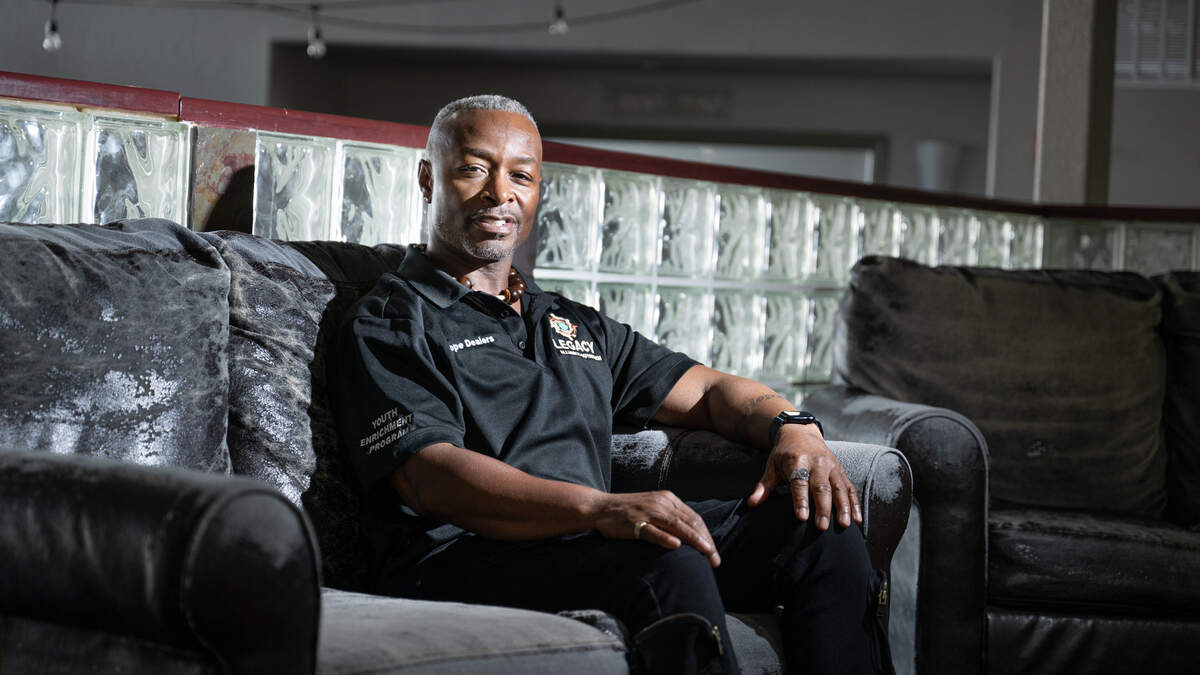
In Stanislaus County, about 65% of voters rejected a ballot measure in the Nov. 5 election that sought to end forced labor in prisons and jails in California.
Proposition 6, which was defeated statewide, aimed to amend the California Constitution by removing language permitting involuntary servitude as criminal punishment. The measure sought to make work assignments voluntary.
The proposition received backing from Democratic leaders, labor unions and numerous advocacy organizations, who framed their campaign as part of a broader national effort to abolish slavery and its racist legacy.
Michael Baldwin, the founder and executive director of Legacy Alliance Outreach in Modesto, said he was disappointed that the proposition failed. He attributes the failure to widespread misconceptions and a lack of public awareness about prison labor.
He said that while most incarcerated individuals want to work, they do not want to be penalized for choosing not to.
Under the current system, incarcerated individuals can face disciplinary actions for failing to complete work assignments, regardless of circumstances such as illness, injury or bereavement. These infractions can result in the loss of privileges, including family visits. Proposition 6 sought to prohibit the Department of Corrections and Rehabilitation from penalizing those who refuse work assignments.
For instance, even in the event of a loved one’s death, incarcerated individuals are still expected to report to work.
“I’m not given an opportunity to grieve. I’m not given an opportunity to gather myself and move forward,” said Baldwin, who was incarcerated for 26 years.
He emphasized the importance of vocational training and addressing past trauma as more effective tools for rehabilitation. He also argued that accountability, rather than punishment, is key to fostering behavioral change.
During his incarceration, Baldwin observed that most individuals were eager to work and stay productive. However, he criticized the system for exploiting their labor, noting that many created goods sold at high prices while earning only a few cents per hour. This includes office furniture, clothing, food products, shoes, printing services, signs, binders, eye wear, gloves and license plates through the California Prison Industry.
“To me, that is what we call slave labor,” he said.
Abu Mboka, a criminal justice professor at Stanislaus State University, attributed the proposition’s failure to proponents’ inability to offer practical alternatives addressing key issues like state cost savings, prisoner privileges, financial and psychological benefits and the rehabilitative value of prison labor.
Instead, he noted, the campaign focused primarily on ethical concerns, human rights and systemic inequities.
The failure of the proposition means that incarcerated individuals in California will “continue to face mandatory labor assignments that may conflict with their post-release work plans, while the state benefits from a low-cost labor force,” he said.
“However, it’s important to note that prisoners do not possess a constitutional right to employment. Those who work often enjoy privileges beyond their minimal wages, and these earnings, while modest, can have a significant impact on the lives of prisoners and their families,” Mboka said.
Mboka said he voted against Proposition 6 because the existing program offers essential benefits for inmates’ survival within correctional facilities. He said that those who work not only earn modest wages but also get extended visitation, phone privileges and recreational time. They also gain the psychological benefits of staying occupied and serving shorter sentences. These privileges are crucial for preserving prisoners’ well-being and morale, he said.
He also said proponents of the proposition missed the chance to present a well-rounded argument that addressed both the strengths and weaknesses of the current system, leaving voters uncertain about whether the proposed changes would genuinely improve the lives of those incarcerated or benefit society as a whole.
“Critics of Proposition 6, including myself, recognize that while the existing system is not without flaws, it offers tangible benefits to prisoners who participate in work programs. These programs provide a sense of purpose, opportunities for skill development, and access to privileges that significantly improve quality of life during incarceration,” Mboka said. “Additionally, they contribute to institutional stability by keeping prisoners engaged in productive activities, reducing idleness, and mitigating disciplinary issues.”
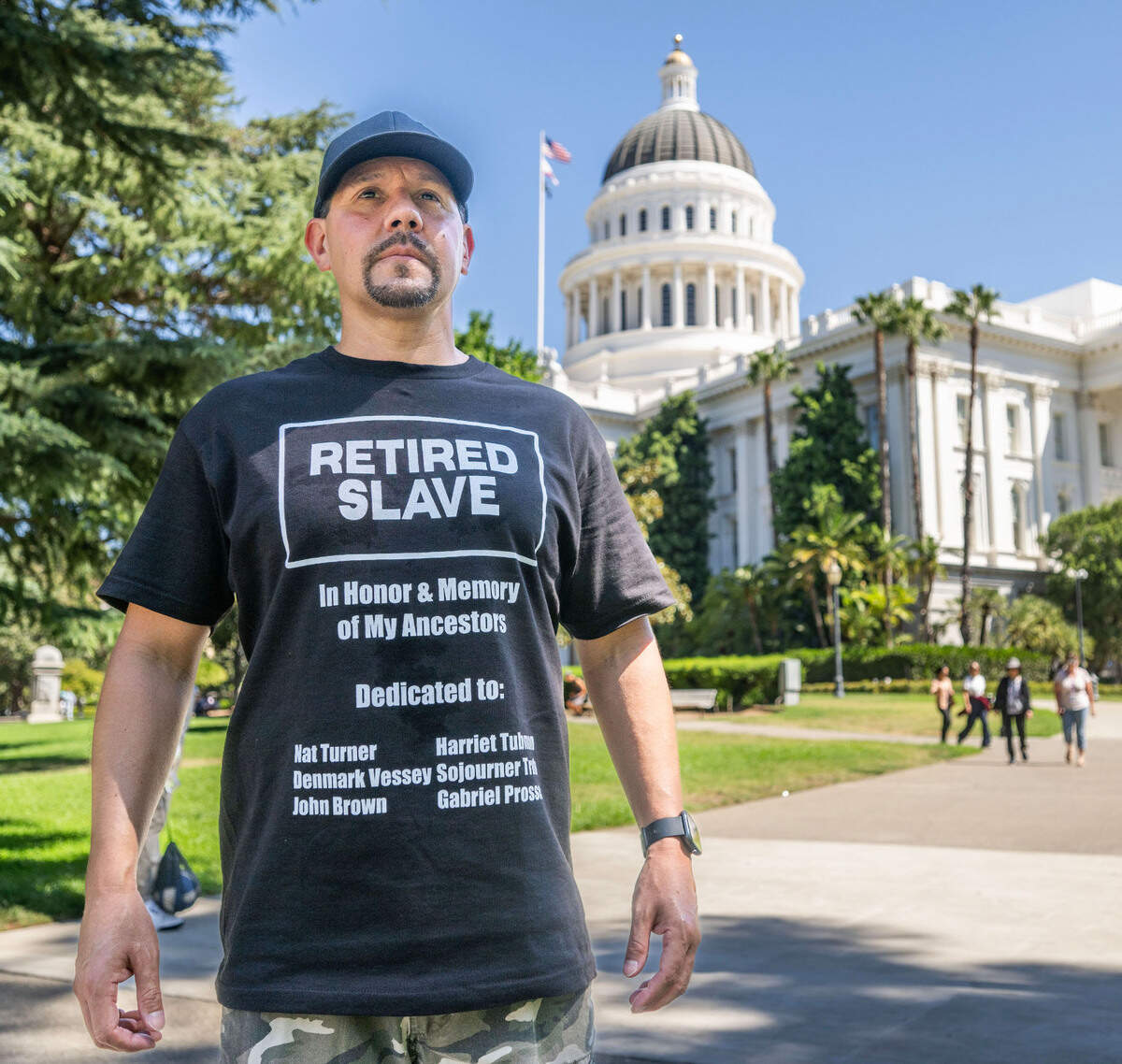
John “J” Vasquez, a former incarcerated individual and an organizer for the advocacy group Communities United for Restorative Youth, spent four years working on the campaign to get Proposition 6 on the ballot and served on the ballot committee.
He said that the national movement to tackle systemic issues is evident in several states, including Nevada, where efforts to remove outdated and racist language from state constitutions are underway. In Nevada, a measure similar to Proposition 6 passed in the fall election with 60% voter approval.
“Californians will one day face the fact that we, too, have a dark history of slavery and racism which precedes forced labor within our carceral system,” Vasquez said. “System-impacted individuals, activists, advocates, faith leaders, entertainers, electeds, and everyday Californians will continue the fight to sever California’s last vestiges of slavery.”