California AG warns Stanislaus County over failures in planning for underserved communities
Stanislaus County is facing scrutiny from the California Attorney General’s Office. The county received a warning over its failure to update its General Plan to meet state requirements around disadvantaged communities, environmental justice and climate adaptation.
The warning follows an in-depth review of the county’s planning documents, including the 2015 General Plan and the amended third draft of its 2023-31 Housing Element Update.
In an 18-page letter sent Friday, the AG’s Bureau of Environmental Justice outlined multiple areas where the county’s plans fall short of legal obligations under the State Planning and Zoning Law. The letter, addressed to Angela Freitas, director of the county’s Planning & Community Development Department, also cites several articles published by The Bee.
“Stanislaus County is home to some of California’s most pollution-burdened communities, communities that also face chronic lack of access to infrastructure and services and community-serving resources and amenities. At the same time, the increasing impacts of climate change touch all areas of the County and place disadvantaged communities and vulnerable populations at particular risk,” the letter reads.
“The County’s compliance with its planning mandates is crucial to addressing these inequities and to ensuring that all County residents can enjoy access to a healthy environment and the resources and opportunities necessary to thrive.”
The Attorney General’s Office is responsible for ensuring that local governments comply with SB 1000 and other legal obligations aimed at advancing equitable land-use policies. SB 1000 requires local governments to identify disadvantaged communities within their jurisdictions and incorporate environmental justice into their general plans — the long-term planning documents that guide how a city or county will grow and develop.
Since 2018, when SB 1000 went into effect, the office has issued similar warnings and taken enforcement actions against 13 other jurisdictions — including the city of Modesto — to promote stronger environmental justice planning at the local level.
County says it’s working to comply
In a statement to The Bee, Freitas said the county is aware of the concerns raised by the state Attorney General’s Office and is working to update its General Plan to comply with all state law requirements.
The letter states that the county has not updated its Land Use Element to identify disadvantaged unincorporated communities or assess their infrastructure and service needs, as required under Senate Bill 244. The update was due in December 2023.
A review of county planning documents found that many communities in the western, central and eastern parts of the county likely meet the definition of a disadvantaged unincorporated community. These areas face a range of environmental hazards, including pesticide exposure, contaminated drinking water, hazardous waste and diesel pollution from nearby highways. Residents of the communities often lack access to clean water, reliable sewage systems, fresh food, parks and affordable housing.
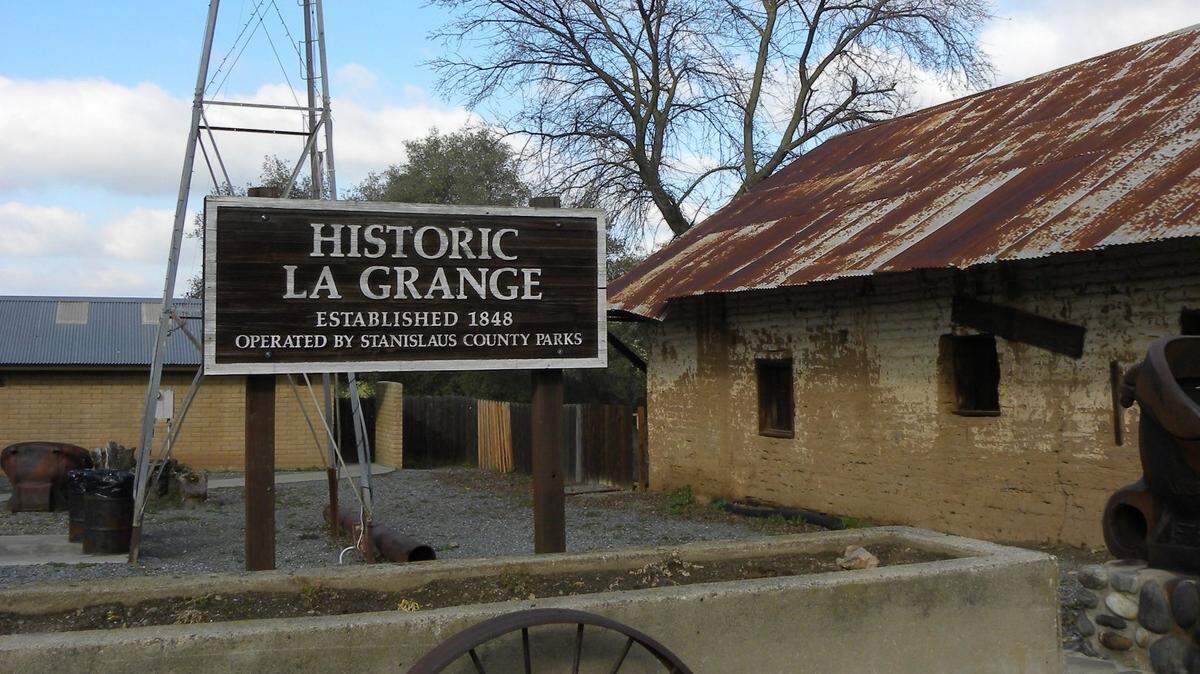
The letter specifically criticizes the county for failing to identify La Grange, a historic mining town with a median household income well below the state’s 80% threshold for disadvantaged unincorporated communities. It also notes that other communities along Bragg Road and Santa Fe Avenue may qualify as disadvantaged but are not recognized in the county’s planning documents.
The letter also points out that the county’s draft Housing Element claims the “Westley CSD currently meets the needs of its customers,” while noting that future repairs may be needed. However, news coverage tells a different story. Grayson Elementary School in Westley, for example, never has had access to potable water in its 70-year history and continues to face frequent water shutoffs due to maintenance problems and power outages, often forcing students to rely on portable toilets.
The Attorney General’s Office urged Stanislaus County to reevaluate its analysis using current data and consult technical guidance from state agencies and advocacy groups to bring its General Plan into compliance.
The letter also faults the county’s draft Housing Element Update for falling short of the requirements under Senate Bill 1000, which mandates the integration of environmental justice into local planning.
‘Vague language’ and ‘minimal requirements’ noted
While the draft includes some references to environmental justice, the Attorney General’s Office says it lacks concrete policies to support access to public facilities, healthy food and opportunities for physical activity. The letter says the plan’s “environmental justice actions use vague language and impose minimal requirements, making it unclear what, if anything, they will accomplish.”
In addition, the county’s Safety Element fails to meet legal requirements around climate adaptation and resiliency. According to the letter, the county has not updated this section of its General Plan to address how it will respond to climate change impacts — an update that is required by state law. The Bureau of Environmental Justice warns that delaying this update until after the Housing Element is adopted could result in the county missing yet another legal deadline.
The letter further notes that the General Plan lacks the required analysis and policy framework to address air quality. It points out the absence of an air quality report, a summary of relevant local, state, and federal programs, and a clear set of goals and policies aimed at improving air quality in the region.
The Attorney General’s Office recommends that Stanislaus County engage with residents — especially those in disadvantaged communities — to develop legally compliant amendments to its General Plan.
The letter ends by urging the county to promptly make the necessary updates to avoid falling further behind on state-mandated deadlines.
“It is crucial that the County meaningfully engage residents of disadvantaged communities and vulnerable populations to ensure the amendments address the applicable statutory requirements and satisfy the law’s intent to protect communities and advance environmental justice,” the letter states.
This story was originally published May 14, 2025 at 1:37 PM.