With more residents seeking citizenship, how El Concilio in Modesto is responding
Since 1968, El Concilio has provided low-cost or no-cost support in multiple areas of the immigration process for people in the Central Valley, but its free citizenship classes started in March are new.
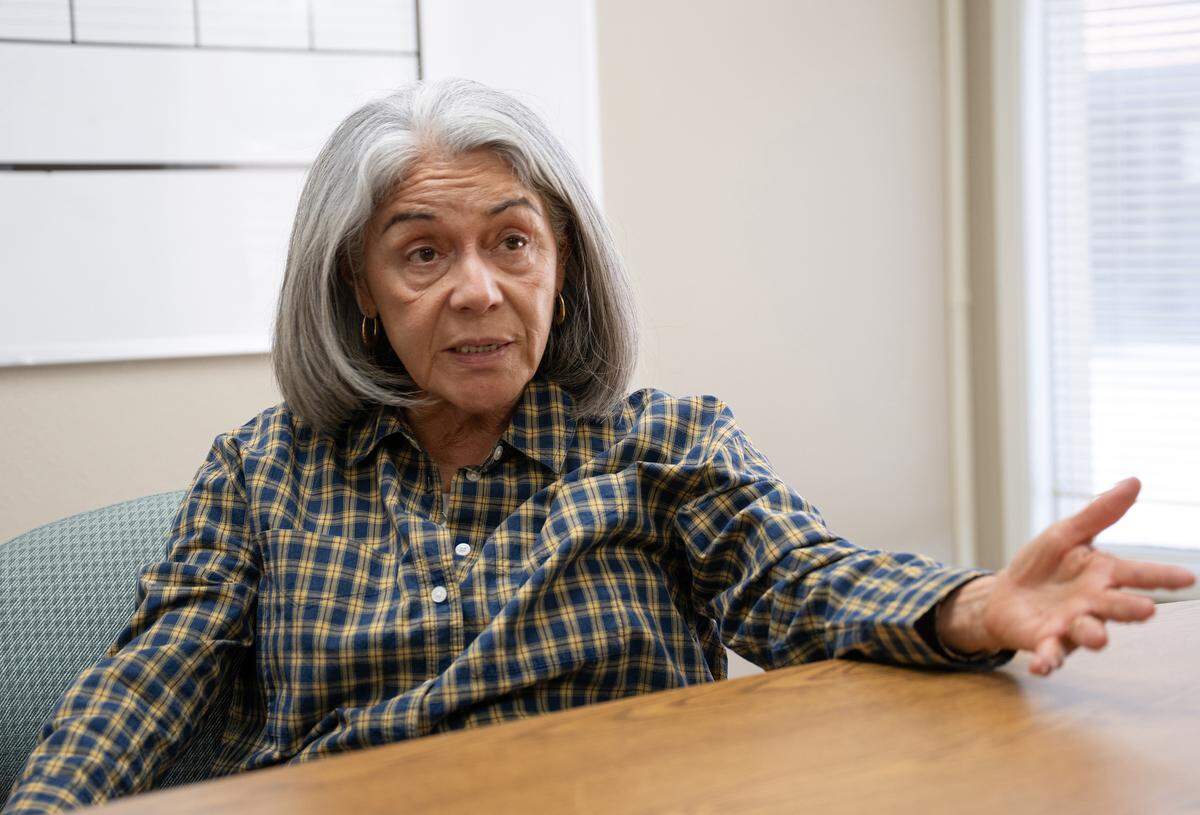
Maria Arevalo, a citizenship instructor at El Concilio, said she and co-instructor Eddie Garcia started the courses to meet a community need.
“People who are permanent residents who have felt comfortable in that status are no longer feeling that,” Arevalo said. “That’s why they want to take that next step to become citizens.”
The course
The 14-week course is available Tuesdays at the El Concilio offices in downtown Modesto. The class is designed to accommodate around 20 people, and the current cohort is around 15.
The course covers two parts of the naturalization process – the civics portion for the 100-question test, and the language portion for understanding English for reading, writing and listening.
Arevalo said that as students arrive, she starts the class by having simple conversations in English about what they did that day or how they got to the office.
“We go over sentences, we put up words on the board like ‘Congress,’ ‘citizen,’ ‘United States,’ all these words that are on the website that they’re going to have to be familiar with, and we’ll have people do sentences using those words in English,” she said.
For the civics portion of the class, Arevalo said, they focus on seven test questions a week. The next week, they recap the previous week’s answers before adding seven more.
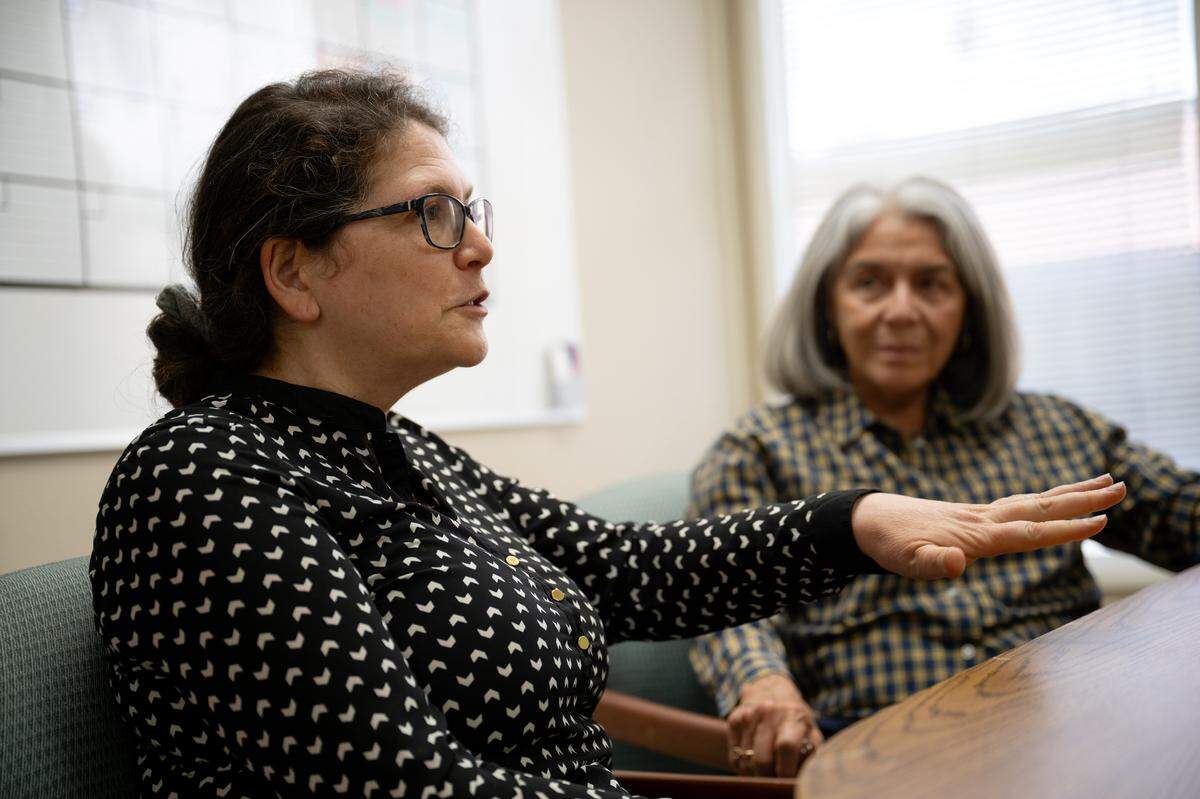
Fernanda Pereira, supervising attorney at El Concilio, said some people already know some answers just by having lived in California for a while.
“There are some people who have comfort knowing they’re not necessarily starting from zero,” she said.
Taking the test in English is required unless applicants are over the age of 65, or over 50 and have been a permanent resident for 20 years, or 55 and a permanent resident for 15 years.
“The language skills are really key,” Pereira said. “We’ve had clients that have been here 30 years and their English skills are there, but they don’t feel comfortable enough.”
The classes provided by El Concilio don’t require students to go to every single class, or that they do a formal registration either, so people can make up for classes they missed due to conflicting commitments. Students may join the course at any time and just catch up on the missed classes once the next course begins.
José Moreno, vice president of operations for El Concilio, said the participants attend classes because they know they’re a trusted messenger. “A lot of people that are here are here because of word of mouth,” he said.
Applying for citizenship
The citizenship application is open for people who are permanent residents, over the age of 18, who have been a resident for at least five years or, if married to a citizen, for at least three years, along with meeting other specific requirements.
The current fee to apply for citizenship is $740, but El Concilio can help low-income clients apply for a fee waiver.
Pereira said it’s always a good idea for applicants to review their case for things such as the status of their taxes, child support, any interactions with immigration or law enforcement, time spent out of the country and other potential complications.
“You really do need some legal assistance on those applications, because if there are any wrinkles and you don’t get it right on the application, it could create real issues for that person,” Arevalo said, adding that there have been issues with notaries offering assistance despite not being qualified to give legal advice.
“Be careful who helps you with those applications – make sure it’s a trusted legal source,” she said.
If an applicant does get the application wrong and doesn’t qualify for citizenship, the matter can be referred to a judge, resulting in a notice to appear — the first step in the deportation process.
Possible future changes
After the application is an interview. Pereira estimates it takes around seven months between the application and the interview, but that can fluctuate based on how immigration officials prioritize applications.
Currently there is a lot left up in the air. “Nobody knows at this point,” she said. “It’s not just us not knowing, nobody knows.”
There have been no changes to the test, which has been the same since 2008, but Pereira said within the next four years, “changes are expected, [but] they have not yet been announced.”
Some possibilities include raising the requirement of English skills to a higher bar, and Arevalo said there has been talk of increasing the number of questions on the citizenship test or the number of correct answers required.
One of the benefits of parents who naturalize is that their children do not have to take the test themselves since they will gain citizenship through their parents.
“This is really important because of the stability that it gives youth – qualifying for student loans and other things,” she said.
Pereira said people who have been in the U.S. for many years have a renewed interest in pursuing a pathway to citizenship since they have the option.
“There’s the benefits of citizenship that we take for granted. I believe many want to vote and express themselves — but it’s mainly the stability,” she said. “They want to assure that their families are stable and that they don’t have to be afraid.”