Soccer stadium could transform west Modesto. Not everyone is happy about it
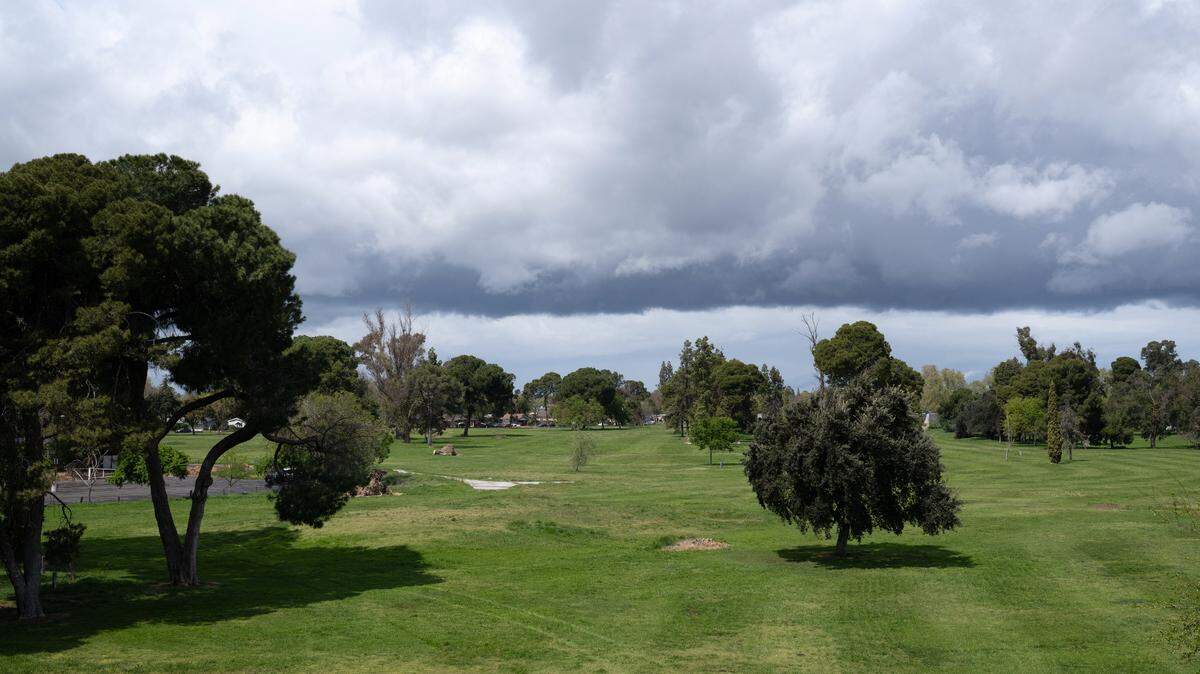
As the city considers potential sites for a soccer stadium, the prospect of building it on the site of the former nine-hole municipal golf course in west Modesto has sparked concerns about gentrification.
During a public workshop March 26, residents and city officials discussed the implications of selecting west Modesto as the stadium site. One key concern raised was the potential for rising property values — and, consequently, property taxes — that could price out longtime residents.
Advantages of the west Modesto site include its proximity to major roadways and Highway 99, large swaths of undeveloped land, no need for complex land assembly or acquisition costs and the potential to revitalize an underserved part of the city with new services and economic activity.
The location also could support a mix of new housing options across income levels and offer opportunities to integrate nearby amenities like the golf course and John Thurman Field.
However, the site presents challenges: traffic access; distance from the city center, which may limit foot traffic; the need for major infrastructure upgrades, including roads, utilities and stormwater systems; and its location in a residential area with inconsistent or outdated zoning regulations.
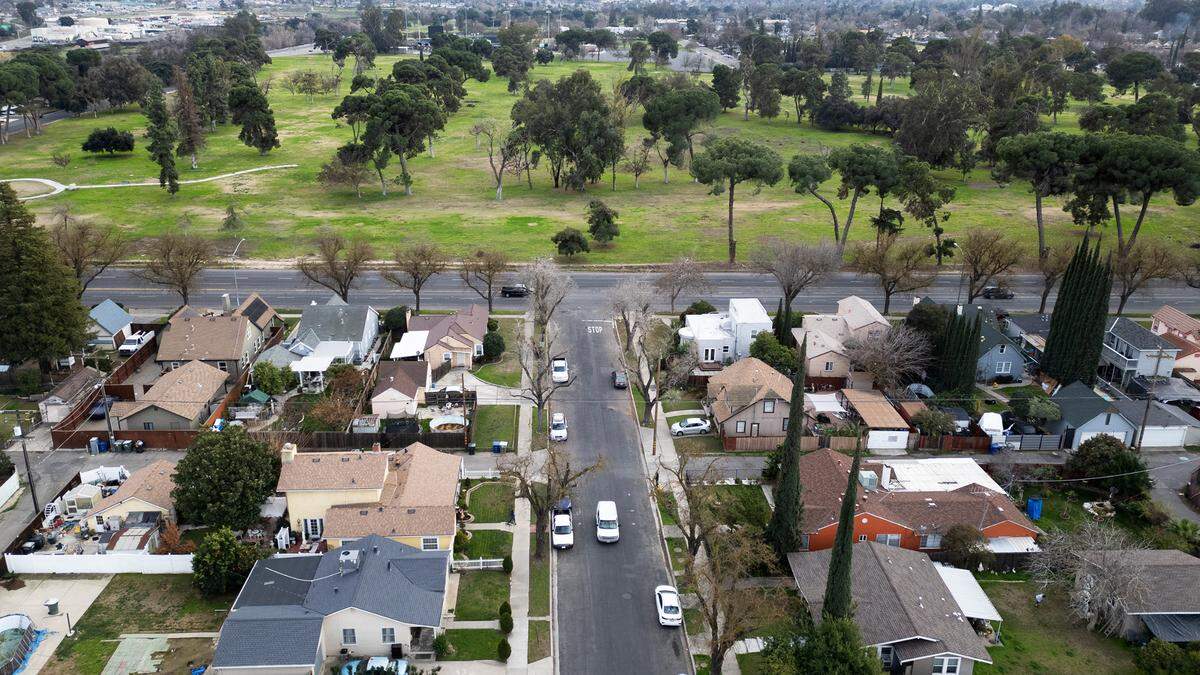
Peter Sorckoff, founder and CEO of Seer World, a consulting agency the city has worked with, said time and energy must be put into talking with residents of west Modesto so that the city is “not negatively impacting their lives.”
“I think you have to put real consideration how we’re going to change the lives of those people who are just living in their single-family dwellings right now, living their life, and then all of a sudden, you know, this kind of pops up in your backyard,” Sorckoff said at the workshop.
He also noted that while rising home values could help families build generational wealth, the accompanying increase in property taxes raises the question of whether current residents will be able to afford the costs.
Homestead exemption could help residents
One option he suggested is a homestead exemption, which would cap property taxes for residents near the stadium site. Homestead exemptions provide property tax relief by reducing the assessed value of a homeowner’s primary residence, thereby lowering the amount owed.
The goal, Sorckoff said, would be to prevent longtime homeowners from being priced out and to avoid gentrifying the neighborhood.
Councilmember Eric Alvarez represents District 2, which includes west Modesto. He said his constituents are more concerned about housing and healthcare access than having a stadium.
“Entertainment is not my constituents’ main concern. My constituents’ main concern is having general housing,” Alvarez said.
West Modesto Community Collaborative CEO Perfecto Muñoz said at the workshop that a stadium could create much-needed jobs. But he also raised concerns for renters because in west Modesto it could drive up property values, potentially displacing them, and impact air quality in the densely residential area.
Additionally, Muñoz questioned the overall community benefits of the stadium, suggesting that healthcare and more housing should take precedence over such a development.
“What is the community going to get out of this, besides the developers and those that are coming in to build these places and they’re going to fill their pockets?” Muñoz said.
He argued that a downtown location might offer greater benefits, such as revitalizing the area and boosting opportunities for minority- and female-owned businesses. It also could create jobs for individuals in underserved communities, including west and south Modesto, where employment opportunities are scarce.
Others at the workshop voiced similar concerns, while some suggested that the stadium could lift morale in Modesto and the county, and that having pro soccer would resonate with the area’s large Latino community.
Stan State professor addresses gentrification
Jose Díaz-Garayúa, a professor of geography and environmental resources at Stanislaus State, said gentrification is part of the constant reshaping of urban landscapes. Cities need to be clear about what they hope to achieve — and whether they have a plan in place to absorb the economic shock that changes like these can bring to neighborhoods, he said.
Many cities aim to attract higher-income residents, something that could result from a stadium development. But the real question, he said, is what happens to the lower-income residents already living in the area.
It’s not just residents who are vulnerable to displacement, he added — small businesses could also be pushed out. That’s why the city needs a clear strategy to protect residents and businesses from harm.
As an example, Díaz-Garayúa pointed to Detroit, where the nonprofit managing the Eastern Market negotiated with the city to create special zoning protections. The protections helped shield the community from speculators and preserved opportunities for residents who had remained through Detroit’s economic downturn. He said a similar, community-led approach could be useful for Modesto residents concerned about the proposed soccer stadium development.
“People save people and people need to get united and start to talk with the city about this, just to be ready, because the economic forces are really big,” Díaz-Garayúa said.
He said gentrification strips a city of its character when local businesses are replaced by national chains found anywhere else. Even with new housing and mixed-use amenities, he added, the result is often still unaffordable.
In an interview with The Bee, Jessica Hill, Modesto’s director of community and economic development, explained that the redevelopment of the defunct Municipal Golf Course has been in the works for many years, even before the pandemic. The city has consistently engaged in community outreach to gather input from residents on what they envision for the project.
Hill said that the city aims to incorporate a retail component to ensure local residents have the amenities they need. She also noted that a stadium could spark further investment in a community that has historically been underserved.
“I think it’s an opportunity for that area,” Hill said.
She said that they are conducting both a general and fiscal analysis to determine what could potentially be developed on the site and what kind of income it could generate based on those decisions.
This story was originally published April 14, 2025 at 3:29 PM.