Modesto gets over $5M to clear homeless encampment. Here’s where and when it could happen
Modesto received a $5.7 million grant from the state of California to help residents experiencing homelessness transition from encampments to shelters and permanent housing, according to a city press release.
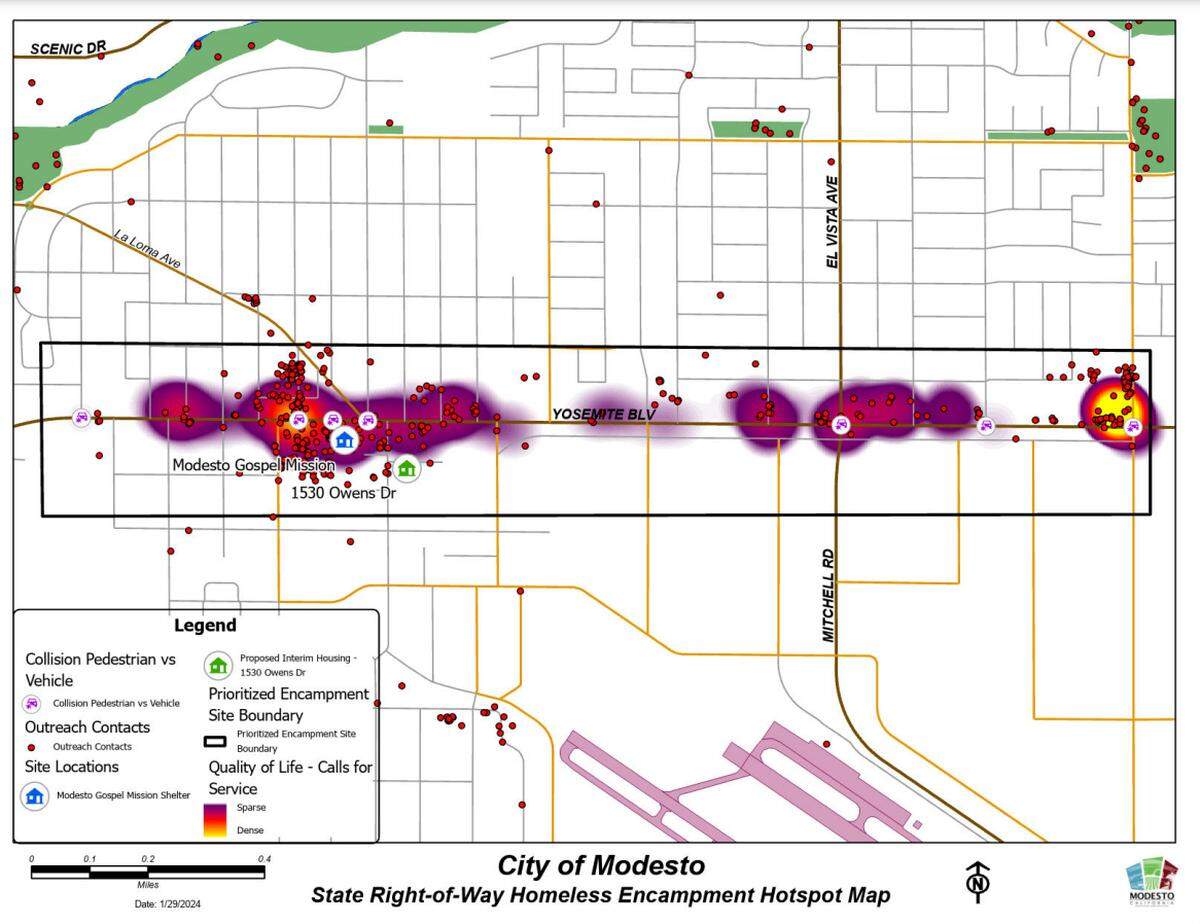
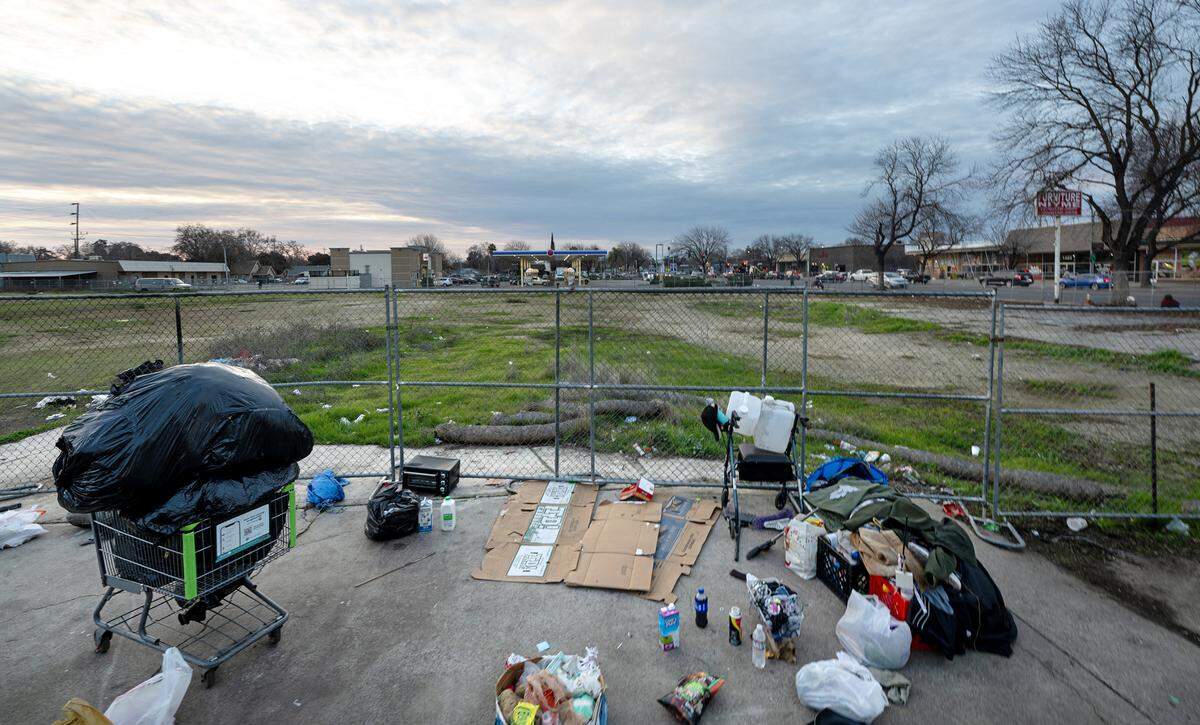
The city plans to target a “larger encampment” that “is a closely linked community of several smaller encampments” on a two-mile span of Yosemite Boulevard between South Santa Rosa Avenue and South Riverside Drive. About 40 people currently live at this encampment, but the grant has the potential to affect 140 people who “inflow,” according to the city’s grant application. It plans to have all residents of the encampment relocated by 2027.
“I am excited to see people get the opportunity to move out of homeless encampments and into permanent housing,” reads a statement from Modesto Mayor Sue Zwahlen. “Housing is essential and having a place to call home helps people live healthier and more fulfilling lives.”
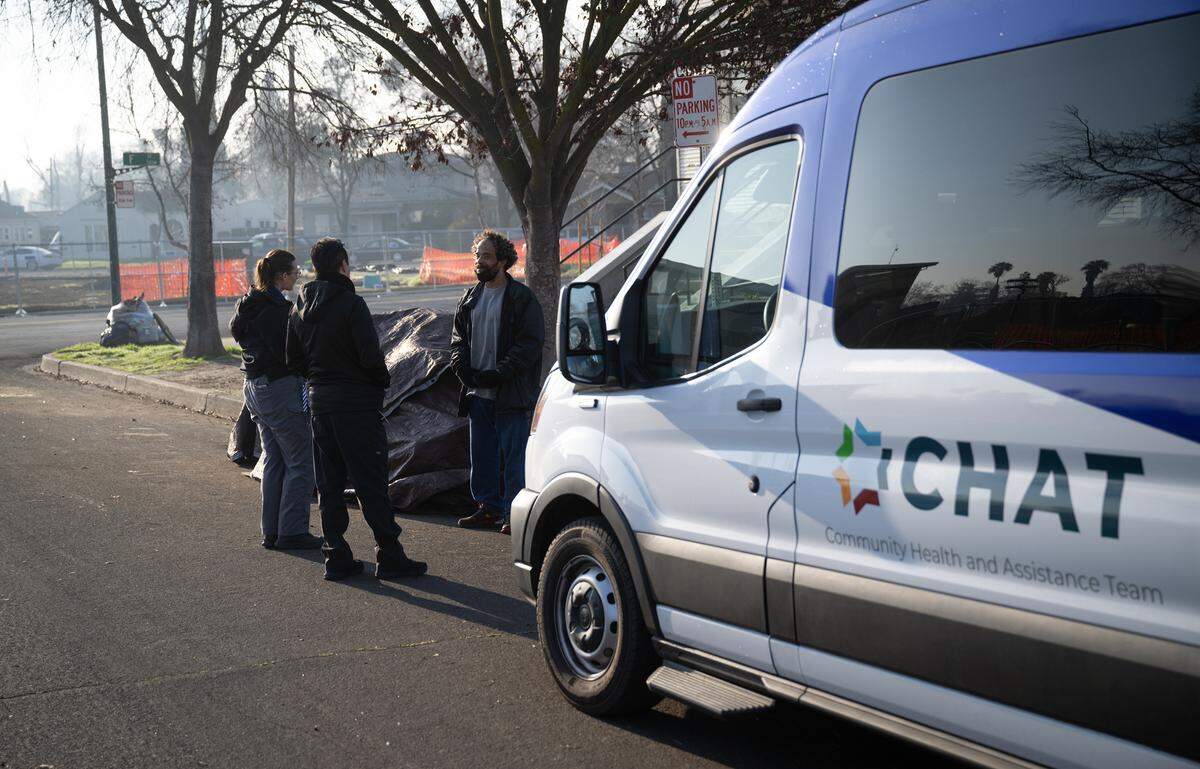
The funding will be directed toward the city’s Camp2Home program, Community Health & Assistance Team (CHAT), the Modesto Gospel Mission and The Salvation Army. The money comes from the state’s Encampment Resolution Funding, a “competitive grant program” designed to provide “services and supports to people experiencing homelessness in encampments that results in meaningful paths to safe and stable housing,” according to the program’s website.
“This is a significant opportunity for the city to strengthen our efforts in addressing homelessness in our community,” reads a statement from Modesto Community and Economic Development Director Jessica Hill.
How funding specifically would be divided was not stated in the city’s press release. However, its application stated that Modesto Gospel Mission will work with encamped residents to connect them to “permanent supportive housing, vouchers and other housing programs.”
It added that residents who didn’t qualify for “established housing subsidy programs” would be evaluated for a “rapid rehousing component” funded by the grant. The rapid rehousing was said to assist 60 encampment residents with landlord engagement, deposit assistance, habitability items and a year of rental assistance.
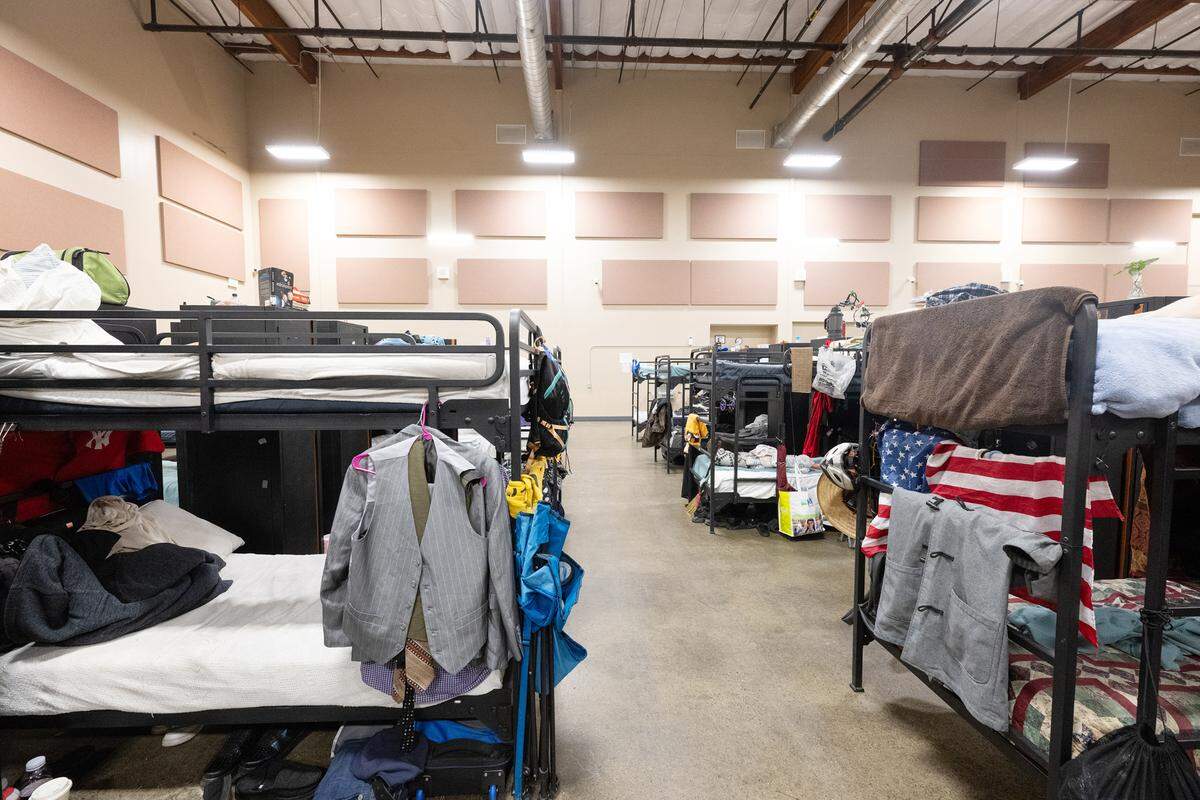
Modesto Gospel Mission would receive the largest chunk of the grant money, $2.4 million, about half of which would be spent on its housing subsidies and rent assistance program. The funds would impact 60 people and would pay for a deposit, a year of rent and other expenses, which include “habitability items” worth $5,000 per household. Interim housing would be funded as “bridge housing and support services” at 1530 Owens Drive in Modesto.
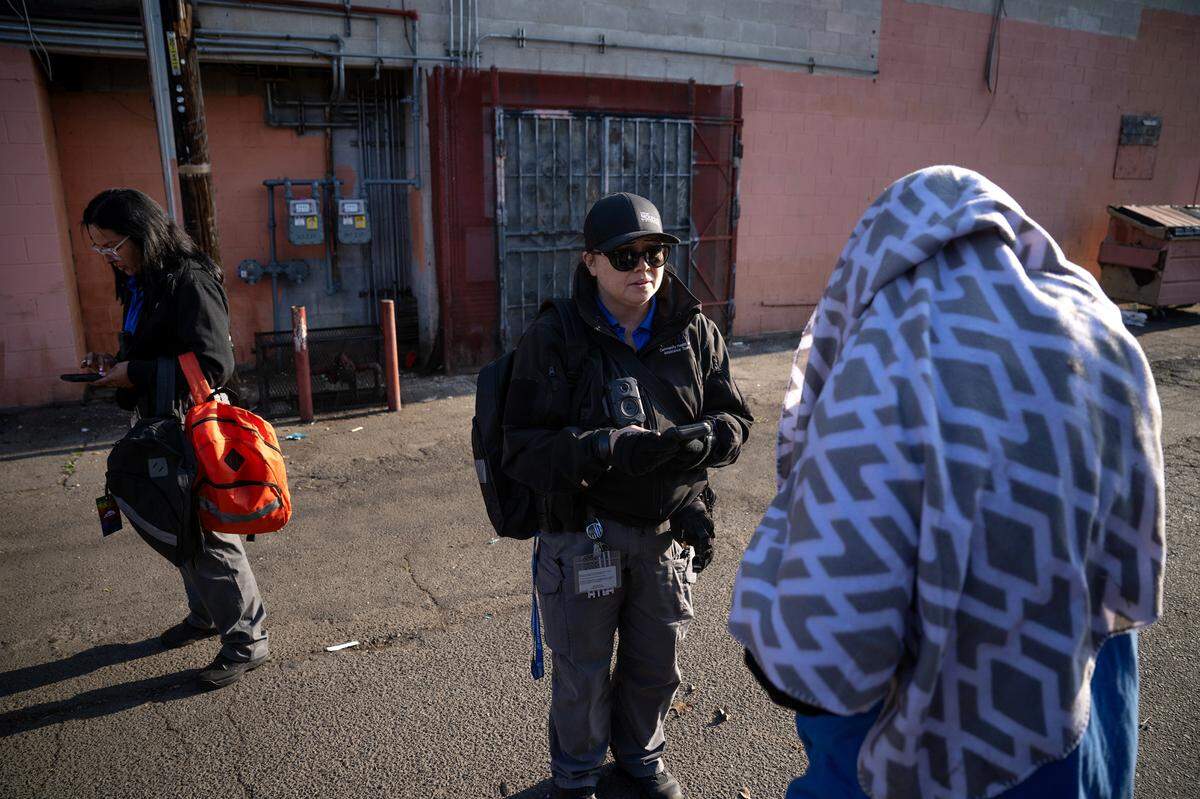
Connecting the people in the encampment to these services would fall under the responsibility of CHAT, which will receive over $1.6 million.
The CHAT outreach team conducted in-person “lived experience” surveys of the encampment. According to that survey, 44% of households are single individuals, 8% of households consist of two adults, and no minors reside in the encampment.
Eight percent of the individuals are age 26 to 40, 18% are ages 41 to 54, and 26% are ages 55 to 65. As for race/ethnicity, 84% identified as white, 11% as Hispanic/Latinx, and 7% as American Indian, Alaska Native or Indigenous.
One individual reported being a veteran, and 30% reported having pets. Seventy-six percent reported being homeless one year or longer and 23% reported being homeless 90 days or more, but less than one year.
Over 75% of individuals surveyed said they’ve experienced more than one barrier to housing, with the highest being drug use and mental health. Other barriers included drug/alcohol abuse, mental health, chronic health conditions, developmental disability and domestic violence. People reported the following interim housing barriers: 69% storage for possessions, 84% income, 76% the lack of vital documents and 80% lack of access to case management.
According to the city’s application, it has not enforced any ordinances since the Martin v. Boise decision “directly related to camping or parking in public rights-of-way.” The Martin v. Boise decision was overturned by the U.S. Supreme Court on June 28.
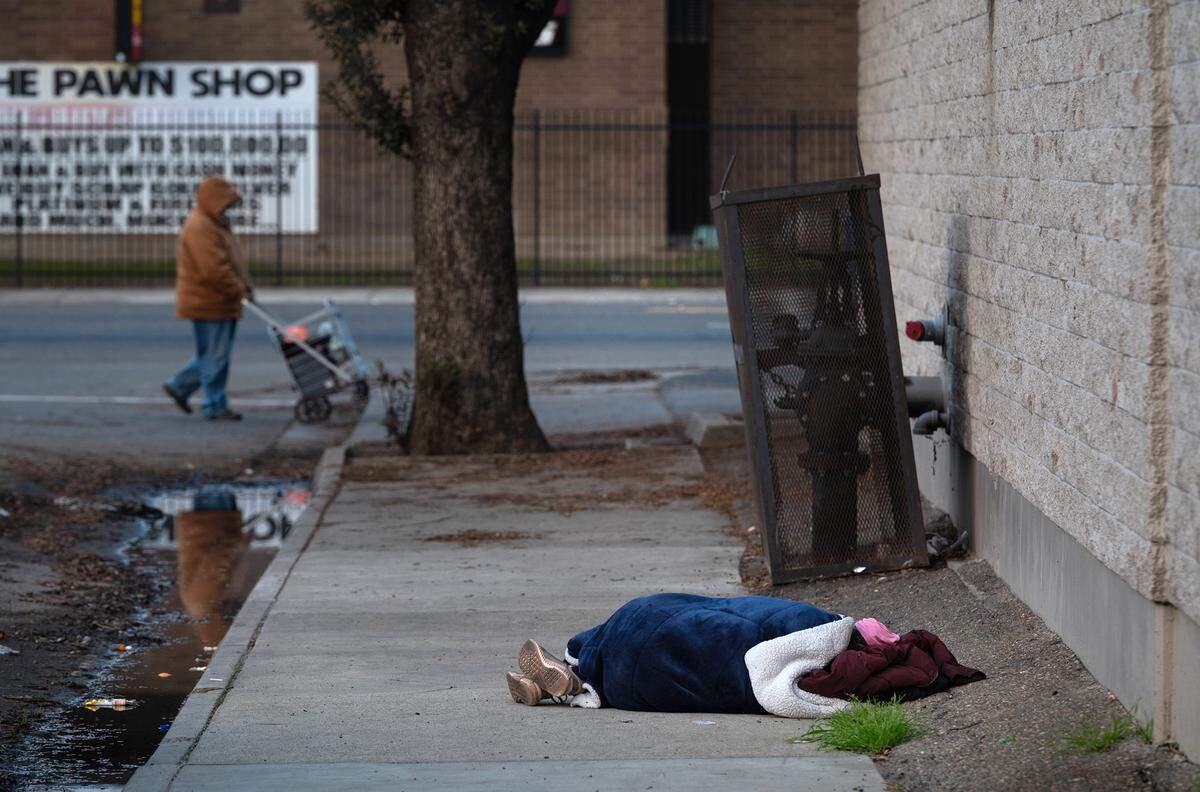
The city does have ordinances that prohibit panhandling, public defecation, trespassing and illegal camping, all of which are often linked to people experiencing homelessness. When these calls are received, the city dispatches the CHAT team “to provide services, rather than penalize homelessness.”
However, The Bee reported that charges related to homelessness have dramatically increased in Modesto during the past two years — some of which Police Chief Brandon Gillespie attributed to an increase in CHAT interactions.
This story was originally published March 3, 2025 at 3:01 PM.