This wolf species was once on brink of extinction. Now, 3 released pups offer hope
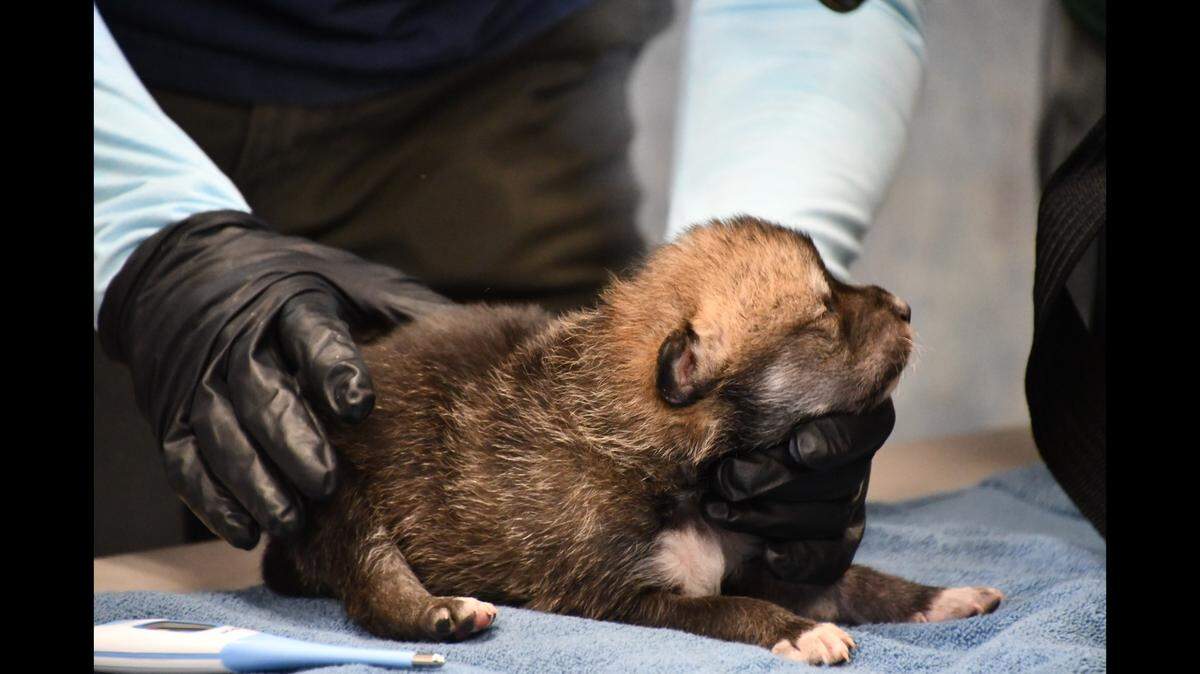
As of 2023, the Mexican wolf population stood at 257, a big gain for a species that was on the brink of extinction.
The number is a stark contrast to decades prior, when the species was close to extinction and placed on the endangered species list in 1976, according to the Arizona Game and Fish Department.
“Mexican wolves had once disappeared completely from Arizona and New Mexico,” the department said.
The species’ recovery is rooted in efforts by members of the Mexican Wolf Recovery Program, which reached a “major milestone” April 25, the U.S. Fish and Wildlife Service said in a May 2 news release.
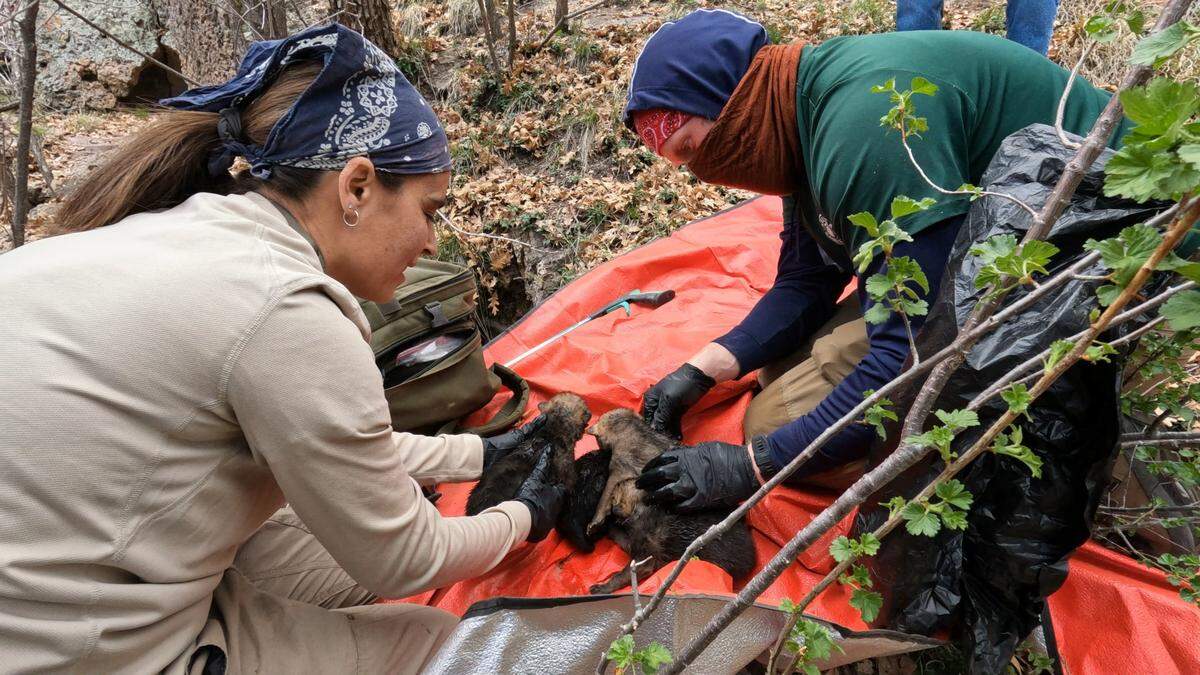
The 100th captive-bred Mexican wolf pup and two of its siblings were successfully placed with a foster family in the Arizona wild, wildlife officials said.
It’s the ninth year wolf pups have been fostered into the wild, according to officials.
Allison Greenleaf, a biologist with the program, was at the first fostering event, as well as this year’s event, officials said.
“It’s pretty neat to be a part of this major moment,” Greenleaf said in the release.
Doused in pee — for good reason
The three pups were flown from the Living Desert Zoo and Gardens State Park in Carlsbad, New Mexico, to Arizona, wildlife officials said.
“After landing, they were given a health check from the veterinarian and a meal so they were full and comfy,” USFWS officials said on X.

The pups were then carried in a backpack-like carrier to their new den, a photo from wildlife officials shows.
After finding the den, Greenleaf fished inside to pull out the two wild pups, the Arizona Republic reported.
Though she’s “been in about 100 dens before,” this time her head got stuck in the “tight” space, the newspaper reported.
“I’ve never been in a den where I haven’t been able to contort my body enough to get the pups,” Greenleaf told the newspaper.
Nonetheless, Greenleaf managed to pull one of the wild pups from the den, the newspaper reported.
Wildlife officials said they “swabbed for DNA samples from the resident pups.”
This way, biologists can identify them if “they are recaptured later in life.”
Wildlife officials said they then had the pups “pee on each other … not just for fun.”
“After this, they all smell the same amount of familiar and weird to mom back in the den,” officials said.
All the wolf pups were then placed back into the den.
“Aside from Allison, who was the den diver, getting a small abrasion on her cheek due to the tight quarters of the den, the pups were placed successfully,” Paul Greer, field team leader with the Arizona Game and Fish Department, told the White Mountain Independent.
Fostering, a ‘proven’ success
Fostering is used “to increase genetic diversity in the wild Mexican wolf population,” according to USFWS.
Captive-born pups are transported to the wild within two weeks of being born and placed into a den with similarly aged pups, USFWS said in a May 2023 news release.
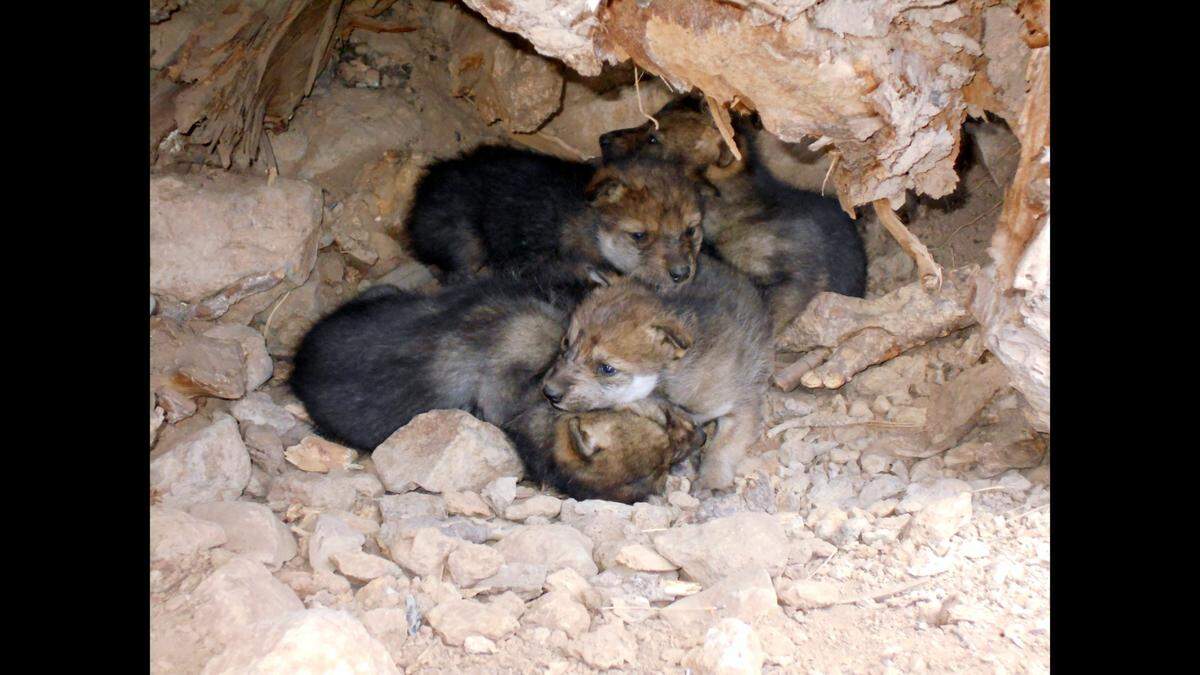
“Overall, fostering has proven successful, with a minimum of 18 pups surviving to two years of age (from 83 fosters released between 2016 and 2022),” according to USFWS.
In 2023, 16 captive-born pups were fostered into six wild dens across Arizona and New Mexico, “bringing the total number of fostered Mexican wolf pups to 99,” USFWS said.
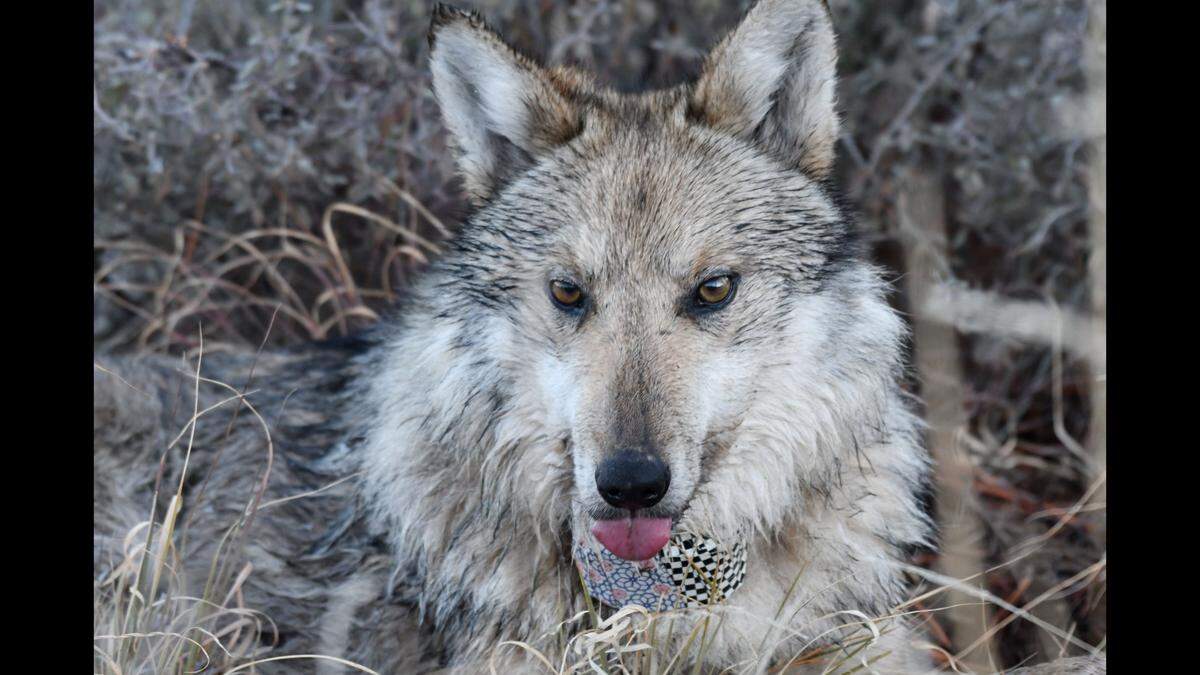
“Fostering is like a relay race for conservation,” Agapito Lopez, a wolf technician with USFWS, said in the release.
This story was originally published May 8, 2024 at 12:41 PM with the headline "This wolf species was once on brink of extinction. Now, 3 released pups offer hope."