After unpredictable year, Turlock’s only low-barrier men’s shelter has survived
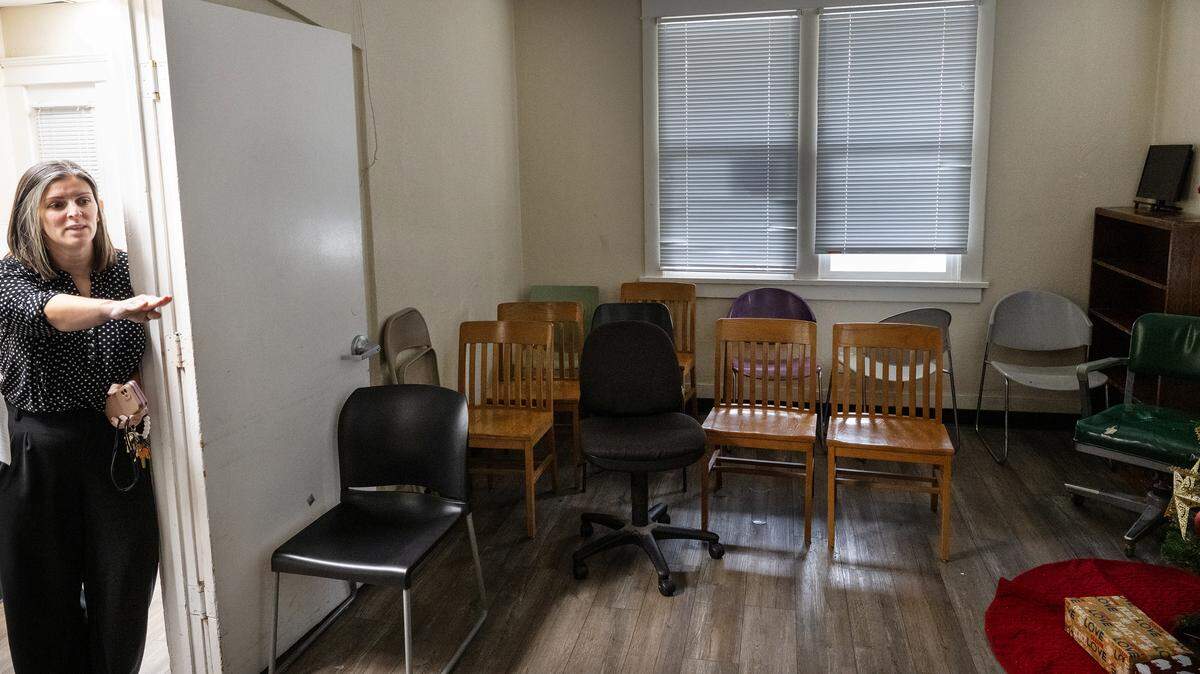
After a city-blocked grant, attention from the governor and a monthlong closure, the We Care shelter in Turlock has survived the year as the city’s only low-barrier shelter for men, thanks to community donations.
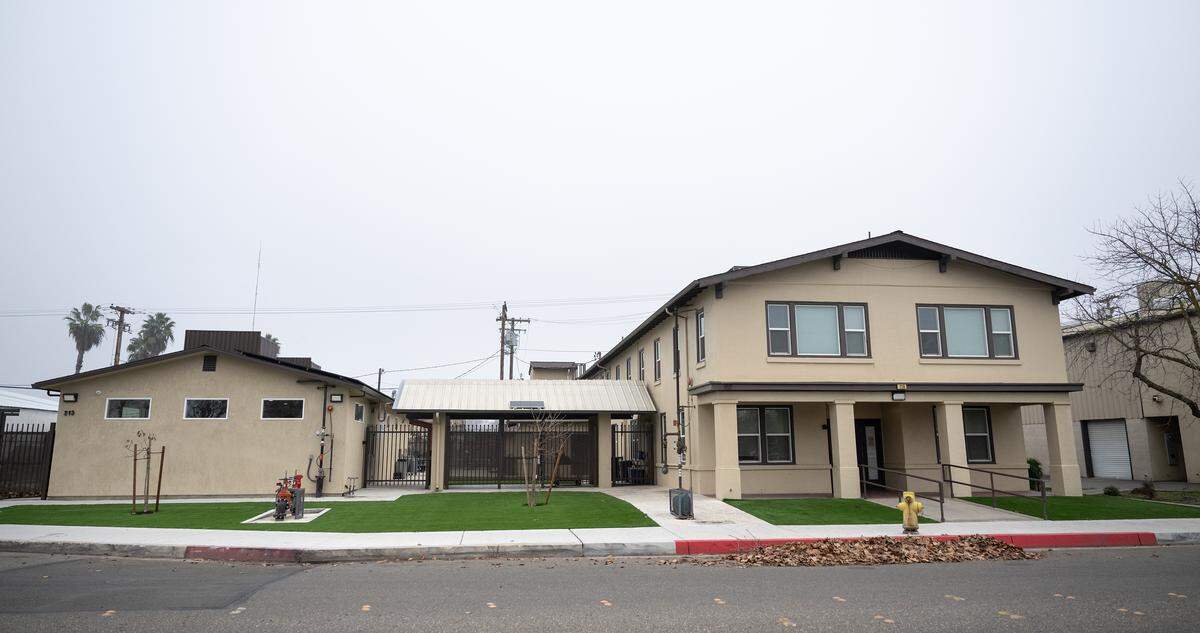
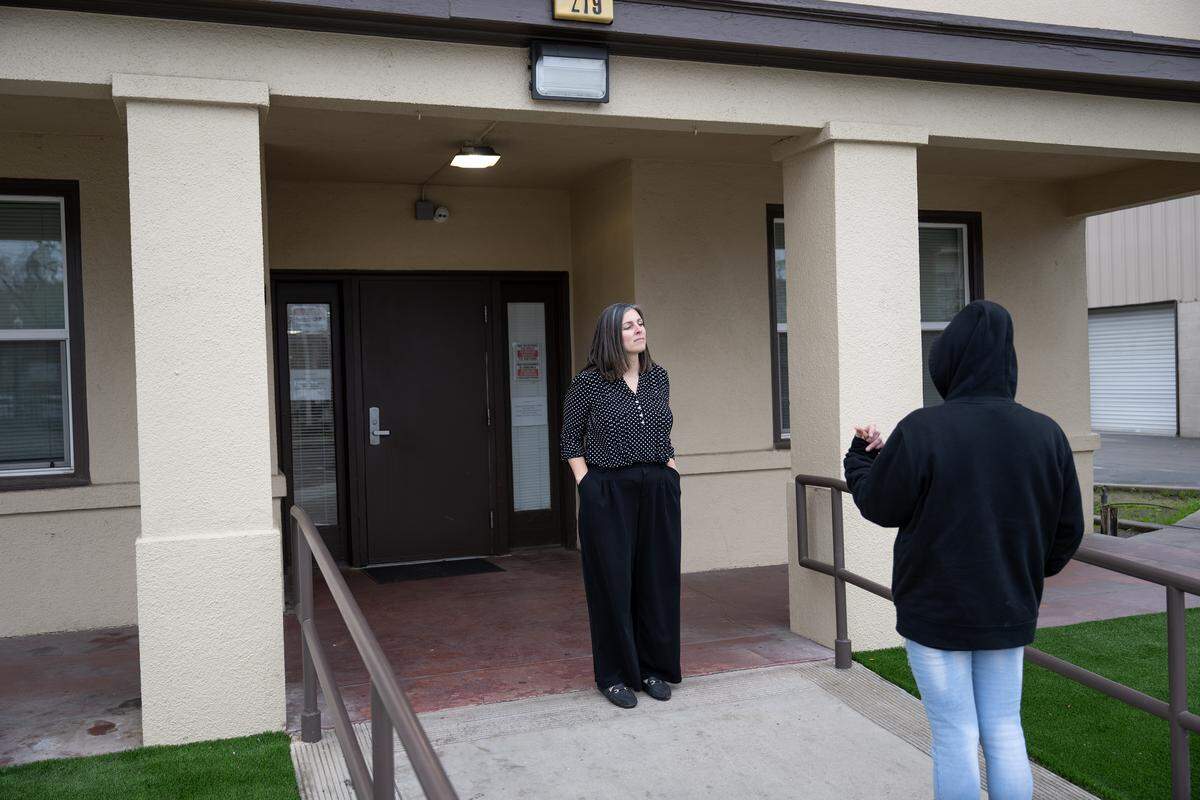
We Care, at 221 S. Broadway, is on the same street as Turlock City Hall, where the City Council voted in April against contributing a ceremonial $1 and letter of support to grant the shelter $267,100 in state funds. Gov. Gavin Newsom publicly condemned the council’s decision.
“Enough. Do your job,” Newsom wrote in a letter to the Turlock mayor, expressing his disappointment.
According to the 2025 Point in Time County survey, there were 241 people experiencing homelessness in Turlock, a 55% increase since 2018.
While Turlock Gospel Mission takes in women and children, the We Care shelter provides 49 beds for men 18 and older.
Many of the men are elderly and rely on Social Security, said Corey Mai, executive director of We Care. They usually don’t have mental health or substance abuse challenges — they just can’t afford rent. Some families, Mai said, will drop off their dads at the shelter.
“It’s so sad. It is very sad,” Mai said.
On most nights, Mai said, the shelter is full, especially during the winter, when it has to turn away people. But those who can’t stay the night can still stay for a meal.
There’s no limit to how long people can stay at the shelter, as long as they’re back by 6:50 p.m. and out at 8 a.m. Mai said when they leave, they usually hang out at a nearby parking lot or library — but they have to be within a block from the shelter, so as to not disrupt neighborhood businesses.
Most rooms have two beds. Single rooms are reserved for those who have a job, as an incentive.
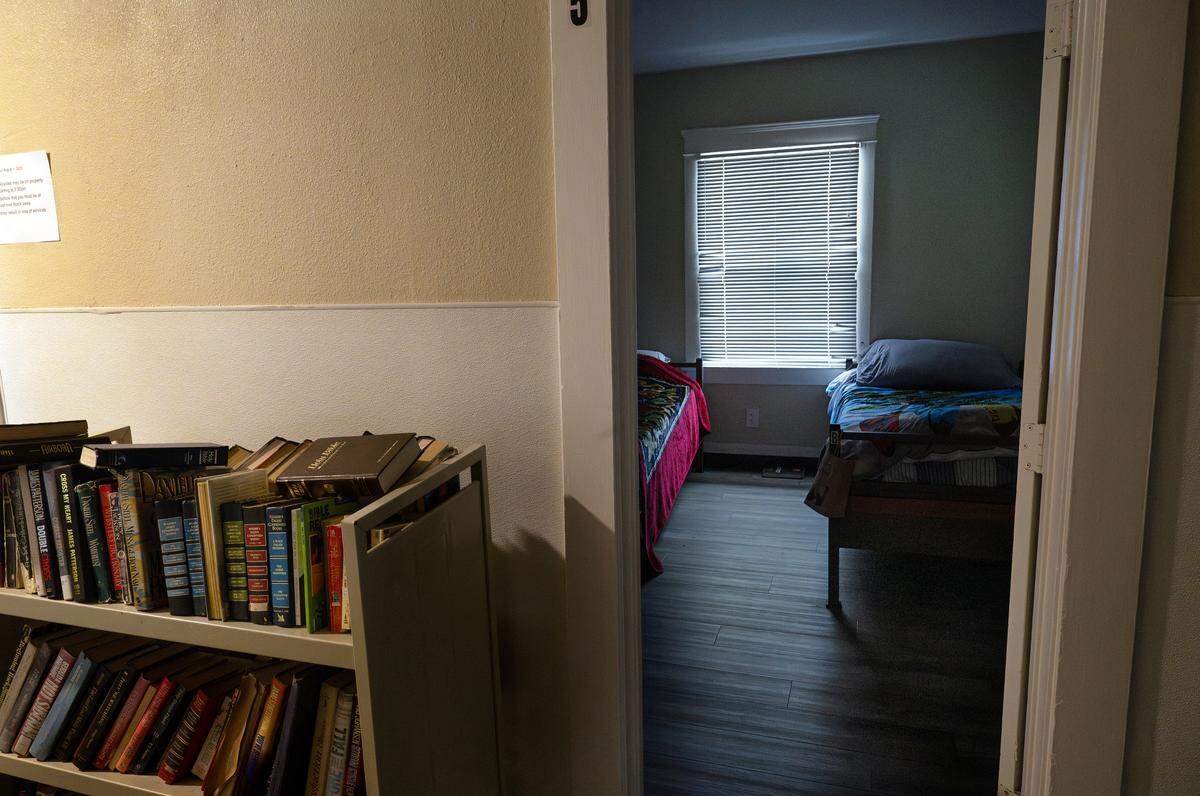
Only service animals are allowed, but Mai said she’s considering also permitting other pets. Oftentimes, people will choose not to come into the shelter because of their pets, which they may want to bring for companionship or safety reasons.
The shelter also has washing machines and dryers for laundry. For items not coming inside the shelter, there are clear bins to store them in the intake room. Mai said these are not searched — only what’s coming inside.
Last year, We Care got a new kitchen, where the one meal served is cooked, often by local churches or community members.
Mai said she and other staff members will go out to the encampments to do community outreach, bringing donuts and Narcan, and trying to connect people with services.
She said she’s noticed more new faces coming into the shelter in the past couple of months, particularly more 18-year-olds, who would rather be in a homeless shelter than deal with their home life.
Beside the emergency shelter, We Care also has three housing programs.
The Permanent Supportive Housing program is for people with disabilities who are experiencing homelessness. In this program, We Care leases places to individuals, who then pay 30% of their income to We Care, which pays the difference.
There isn’t much turnover in this program because it’s designed to support individuals until they die. Mai said that program could also be at risk due to federal funding cuts.
The Rapid Re-housing program aims to put any homeless individual or family into permanent housing. Those in this program get a lease, and We Care helps them move in and helps them financially for a couple of months. That program recently received a two-year grant of $81,033.
The Affordable Housing Program is in partnership with the city of Turlock and allows We Care to rent out units for below-market rent.
We Care also partners with the nonprofit La Familia for mental health and substance abuse referrals. It also just received a grant of $172,715 for drug and alcohol counseling.
City denies funding for shelter
We Care was awarded $267,100 in funding through the California Permanent Local Housing Allocation program, which it planned to use for its upcoming operating budget.
In April, the Turlock City Council voted 3-2 to not contribute $1 and a letter of support that would’ve allowed the county to release the funds to We Care.
The city wanted the shelter to either add additional services to clean up trash and feces in the four-block area around the facility or have restrooms open 24/7. Mai said she offered to open the bathrooms in the shelter but the landlord prohibited We Care from placing a portable toilet on the property.
“Truly a ridiculous lack of local leadership — an absolute moral failure,” Newsom posted on social media. “California has invested billions to combat homelessness. In Turlock, their only shelter is at risk over a single dollar. The state has done its part. Local leaders need to step up.”
Mayor Amy Bublak, in response to Newsom, sent a letter writing that organizations such as We Care have no incentive to collaborate with city governments and that “cities are left with the unfunded mandate of dealing with the negative impacts of homelessness and shelters without any funding to mitigate those consequences.”
“To be clear, the specific issue that prompted your letter was never about a dollar, 24-hour bathrooms, or asking We Care to clean up downtown Turlock,” Bublak wrote. “It was about the City seeking a real partnership with an accountable local partner — that is, We Care — a point you have missed or ignored.”
City steps down, community steps up
Mai said after that all happened, she took a couple of months off. She said she felt angry and it seemed like the city didn’t view the unhoused population as human.
She created a GoFundMe in April, which raised $4,220.
In July, We Care closed — with no expectation of when it would or could reopen again.
But it reopened in August. Mai said the community stepped up and helped it keep operating. Right now, Mai said, We Care is running entirely on donations from the community.
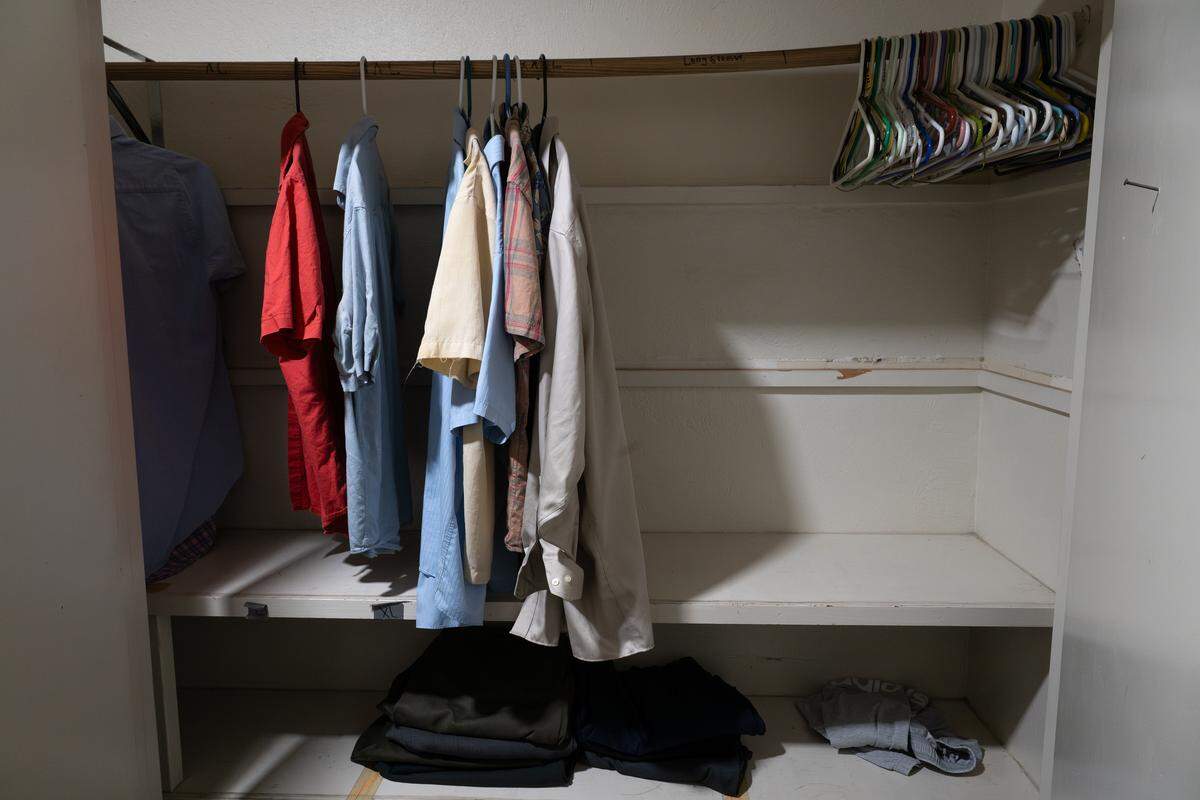
She said it’s typically hard to get funding for the shelter because most people want to support women and children. The organization is currently accepting donations for men’s clothes of any size and extends invitations to anyone wishing to prepare or cook dinner for the shelter for a night.
We Care plans to apply again for the same grant the city blocked — only this time it won’t require the city’s approval. The county had previously added a provision through the California Department of Housing and Community Development to encourage cities and shelters to work together.
“They thought the city would support us,” Mai said.
But now, We Care can apply again.
This story was originally published December 31, 2025 at 3:50 PM.