Turlock has $15 million for affordable housing. Why isn’t the city spending the money?
Turlock needs more housing. In 2015, as part of a state-mandated process, the city set out to build 3,618 units by the end of 2023 to keep up with demand. Nearly 40% of those new units were meant to be affordable.
But Turlock has struggled to meet those affordable housing goals for years, and now the City Council is divided on how to solve the problem.
At the root of the debate is a federal affordable housing program called HOME. In the 1990s, Turlock joined forces with other cities in Stanislaus County and became the lead regional administrator for HOME. The idea was to bring together small cities to streamline and consolidate efforts when they apply for and manage complicated federal housing grants.
Now, Councilwoman Pam Franco says the Turlock Housing and Program Services Division is unfit to lead. “I’ve noticed a lot of errors over time in this department on their staff reports, and I believe it’s not paying for itself,” Franco said during a January council meeting. She then voted with Mayor Amy Bublak and Councilwoman Rebecka Monez in a 3-2 majority to relinquish the city’s role in the HOME program and cede it to Stanislaus County.
Stanislaus County opposed the decision. At the January council meeting, Stanislaus County director of planning and community development Angela Freitas said Turlock has a “stronger staffing capacity to administer the program.” The county, by comparison, would have to “build the program from the ground up,” she said.
While Turlock handles the lengthy process of handing HOME to the county, Franco called for an audit of Turlock’s housing program. That audit report, presented to the council last week, gave Franco a chance to renew her criticism of the housing program. The report found 13 different issues within the department, many of which date back to 2010.
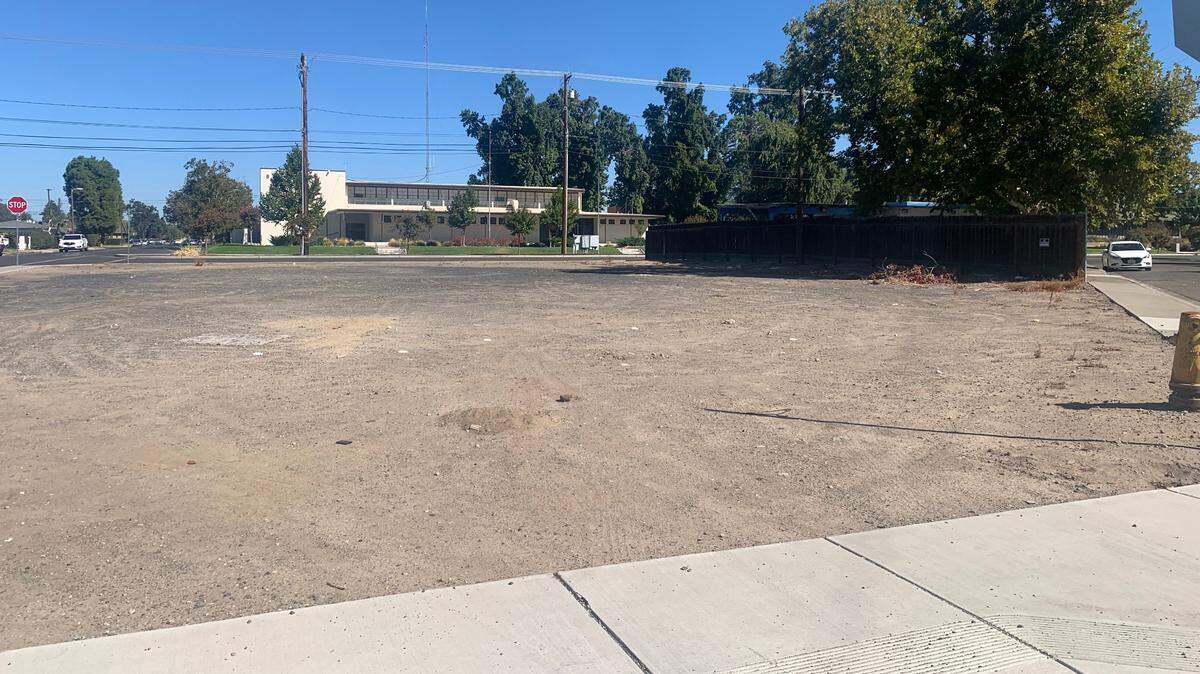
Franco was especially concerned about one property at 513 N. Palm St. that the city paid $290,951 for in 2003 but never developed.
“We haven’t done anything with it since 2003. And whose responsibility was that? It was staff’s to bring it to council, “ she said. “It appraised at $140,000. We put into it over $576,000” in property improvements.
Another property, the Avena Bella apartments at 500 W. Linwood, overspent by $133,000. “Who can spend that much money without knowing it?” she asked, and continued. “We have over $15 million sitting out there that we could be doing something with,” she said. “... It’s not something I like to say but doggone it, I told you so.”
5 city managers later, lot sits empty
But other members of the Turlock City Council say Franco’s criticism of the housing division is unfair and unproductive.
“To be able to do large-scale housing projects, you have to accumulate and amass a bit of revenue to make certain projects work,” said Councilman Andrew Nosrati. That’s why, he said in a phone call with The Bee, the housing division is “sitting out there” with $15 million.
For example, the second phase of the 61-unit Avena Bella affordable housing development cost nearly $18 million and took years to build, said Maryn Pitt, former assistant to the city manager for housing and economic development. In other words, the $133,000 in overspent funds represents less than 1% of the total budget. (Pitt also pointed out that 500 families applied to live in those 61 units, and that nearly all of the families came from a 5- to 8-mile radius of south Turlock).
The story of the abandoned lot at 513 Palm Ave. is more complicated, too. The city directed the housing division to buy the lot in 2003 after the police chief at the time, Gary Hampton, expressed concerns that the building had fallen into blight. The housing staff oversaw the demolition of the building, the installation of new curbs and other street changes, and applied to build a few units of transitional housing for formerly homeless people. “It went to a public hearing and the neighbors went crazy,” said Pitt. City council didn’t approve the project.
Once the 513 Palm Ave. proposal failed, the Turlock housing department decided not to prioritize it and instead focused on Avena Bella, which would yield far more units in total and was more likely to pencil out financially. Even still, Pitt tried to push a new project for the 513 W. Palm property a few years later, using a new pot of money from the state that supported housing for people with mental illness who are homeless or at risk of becoming homeless.
However, Pitt said she lacked the support from the city, especially with constant staff turnover. In the past three years alone, Turlock has had three city attorneys and five city managers.
Taxpayer dollars or zoning reform
These debates around the housing division are a bellwether for the city’s future.
To Bublak, Franco and Monez, this housing audit — and ultimately, the decision to relinquish Turlock’s role in the HOME affordable housing program — is about government accountability.
In a statement to The Bee, Bublak said she sees the audit as a matter of “ensuring taxpayer dollars are spent wisely and to the benefit of our community needs.” Relinquishing the city’s role in HOME will end what she and others see as an ineffective program within the housing department.
Meanwhile, Nosrati and Councilwoman Nicole Larson see the scrutiny toward the housing department as an effort to distract from the real problem at hand: the need to build affordable housing. Nosrati says this audit is another example of “micromanaging” and that this kind of leadership from city council and the mayor is a reason for the city’s high turnover rate.
If the city truly wants to prioritize housing, Nosrati said, “we should be having discussions about zoning reform and we should be looking at ways to expand capacity.” Instead of ceding the HOME program to the county, he wants to see the city continue with the program and consider expanding its staffing to address problems found by the audit. While the city has already voted to relinquish the lead on HOME to the county, council members can renege on the decision until the end of 2023.
But with Nosrati and Larson leaving City Council, and the mayor up for re-election in November, the decision may hinge on the voters.