Oakdale explores switch from PG&E to MID. How much might residents save on power?
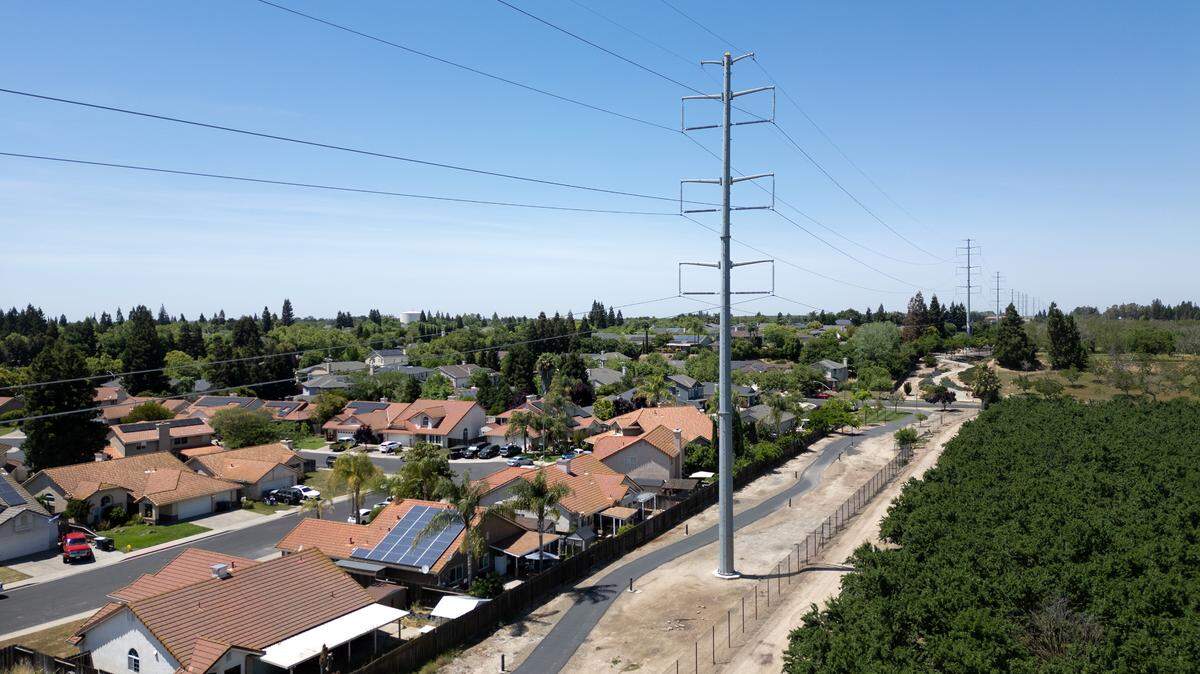
Oakdale leaders, alarmed by recent spikes in PG&E power bills, are looking to switch to the Modesto Irrigation District.
The City Council voted 5-0 on Monday, May 5, to recruit a consulting firm to explore the idea in detail. It came over a protest from PG&E, which said rate relief is coming and the system is not for sale in any case.
Interim City Manager Jerry Ramar said homes could save $257 a month on average based on the current rate structures. He cautioned that the transition costs could cancel out the benefits.
Supporters told of residents paying several hundred dollars a month for air-conditioning during heat waves.
“I do live next to people who have to run their fans all summer, and they are actually hot, very hot,” Councilmember Kayleigh Gilbert said.
About 7,000 of Oakdale’s homes, the vast majority, have PG&E hookups. Some of the newer subdivisions are in MID because of a circa-2000 effort to bring competition to the California grid.
The switch would need approval from the MID board, the Stanislaus Local Agency Formation Commission and the California Public Utilities Commission. The process could mean several years of legal wrangling.
Why is MID cheaper than PG&E?
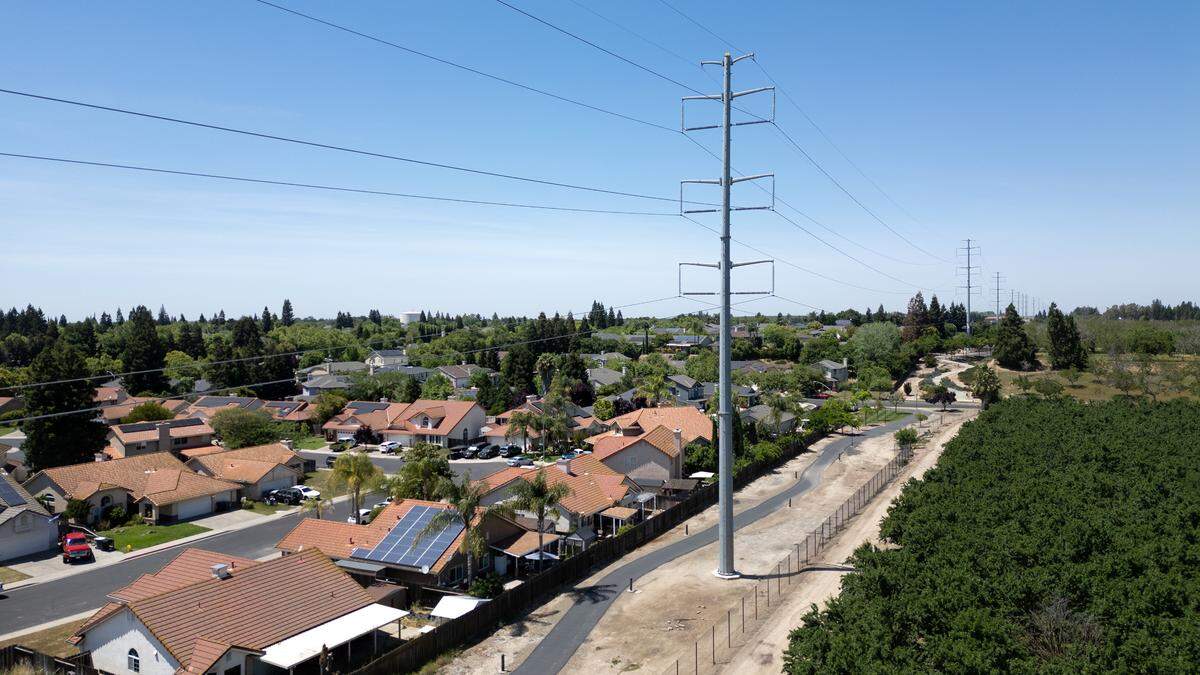
As a public agency, MID can charge less for electricity than PG&E because it does not have to earn profits for investors. It also does not serve mountainous areas, where PG&E has incurred huge costs for wildfires sparked by its wires.
Oakdale would have three main obligations before joining MID, said an email from Melissa Williams, the utility’s public affairs manager. One is paying for an analysis of how this would affect the overall system. The city also would have to cover the cost of extending MID service and reimburse PG&E for its infrastructure.
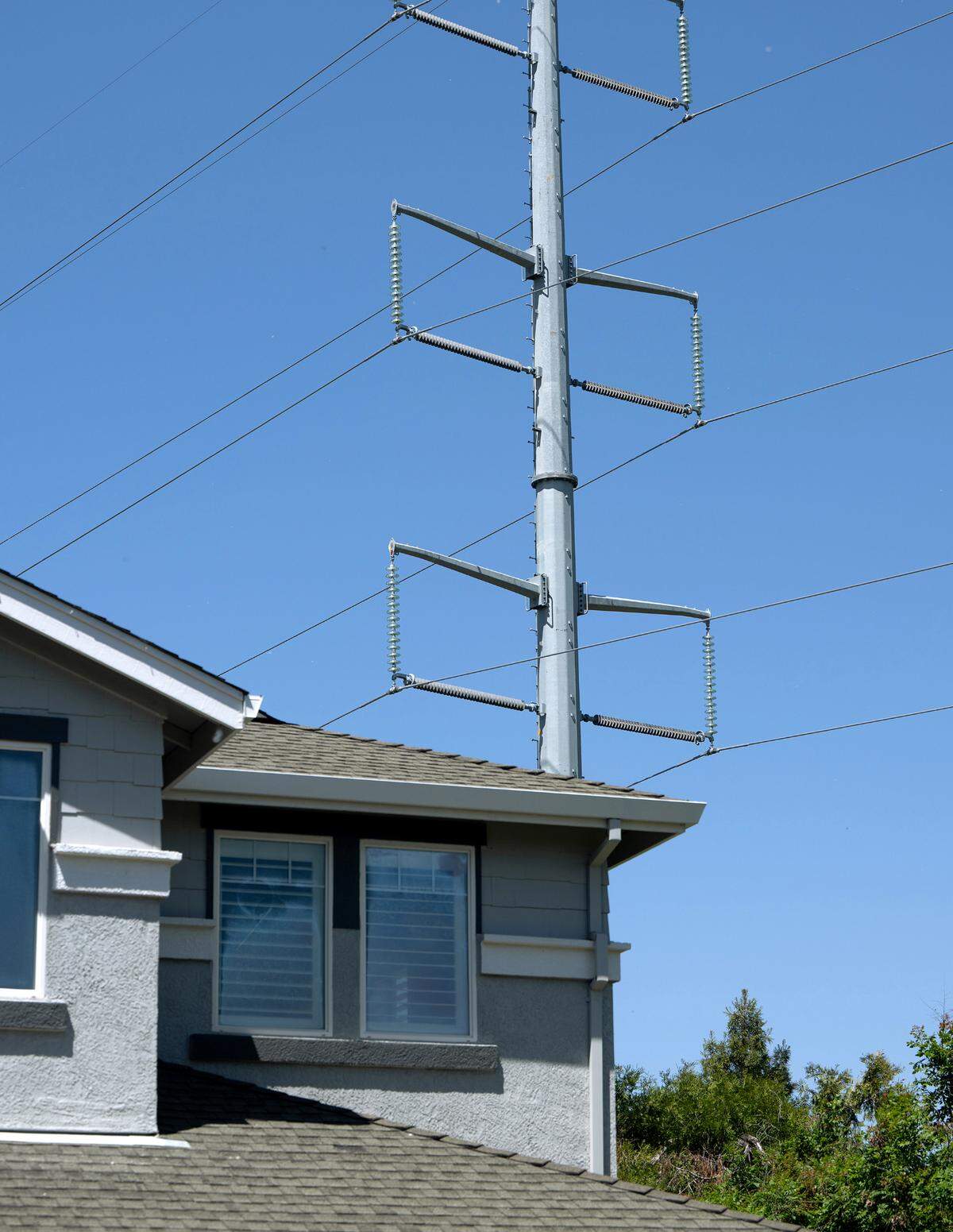
Those assets includes poles and wires along city streets and Oakdale’s share of PG&E power plants and transmission lines around the West.
The May 5 vote was for Ramar to contact firms that could do a feasibility study, which he said might run $50,000 to $75,000 and take a year. The council would have to approve the contract at a future meeting.
When did MID begin selling electricity?
MID was founded in 1887 to provide Tuolumne River water to farms, as was the neighboring Turlock Irrigation District. Both began in the 1920s to generate cheap hydropower for sale to local homes and businesses. Population growth prompted them to add other sources, first fossil fuels and later wind and solar.
MID’s original service area takes in much of the zone bounded by the Tuolumne, Stanislaus and San Joaquin rivers. Oakdale lies within the Oakdale Irrigation District, which generates Stanislaus hydropower for sale to distant users rather than city residents.
MID gained its Oakdale customers as part of a grid reform that also gave it access to part of the Ripon area and to all of Mountain House. The latter was an entirely new town northwest of Tracy.
MID and TID now have close to a quarter-million electricity customers between them. PG&E also evolved over the past century-plus and today serves about 16 million users of power, gas or both.
How are power bills calculated?
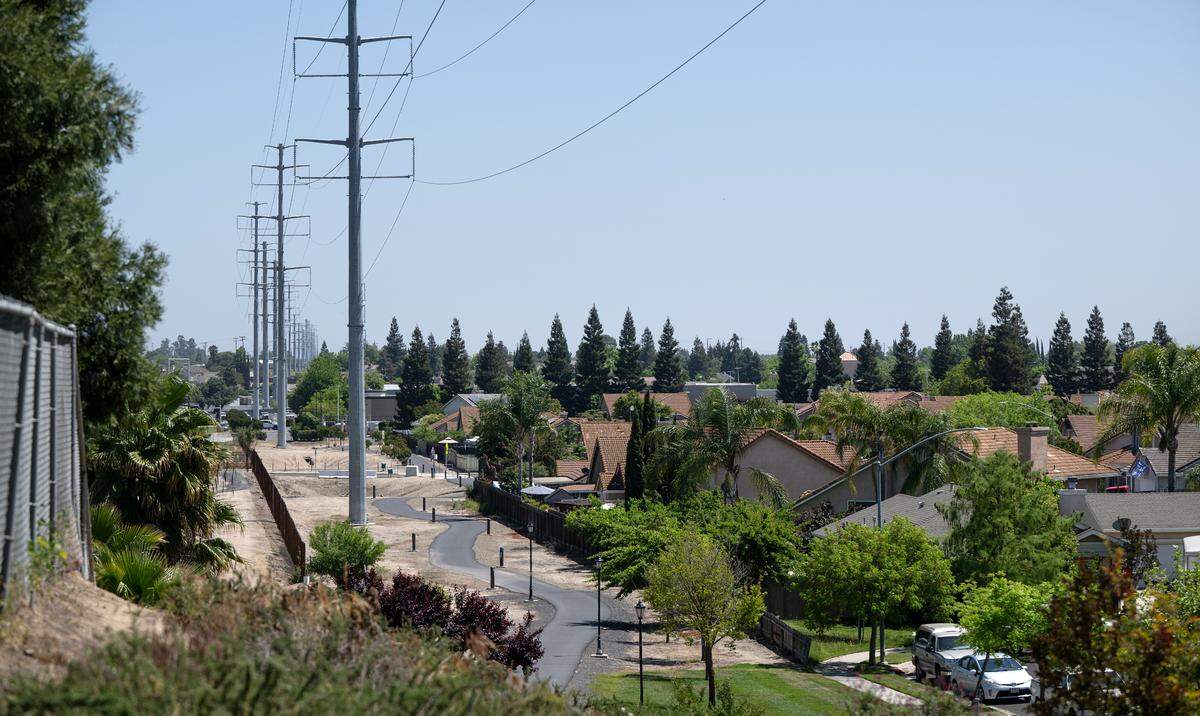
Electricity bills have one charge to cover fixed costs, such as salaries, and rates that vary with monthly consumption. Users are penalized for high use.
Ramar said his estimate was based on average MID consumption of 850 kilowatt-hours per home in a month. The district charges 18 cents for each of the first 500 kilowatt-hours and 21 cents for the other 350.
PG&E’s rates are 63 cents per kilowatt-hour during peak demand 40 cents at other times, the city manager said.
The speaker from PG&E was Eric Alvarez, government affairs representative for Stanislaus and four other counties. He is a Modesto City Council member but recuses himself from matters involving that city.
Alvarez acknowledged that high summer bills “cause a hardship for many of our Central Valley customers.” But he said no rate hike is planned this year and 2026 will bring a drop of about 5 cents per kilowatt-hour.
Alvarez also mentioned a $15 billion federal loan guarantee that will help PG&E’s upgrade its sources and transmission capacity.
PG&E has paid major settlements following wildfires and also is burying the lines in many vulnerable areas. During winter, it contends with snow and wind in the mountains.
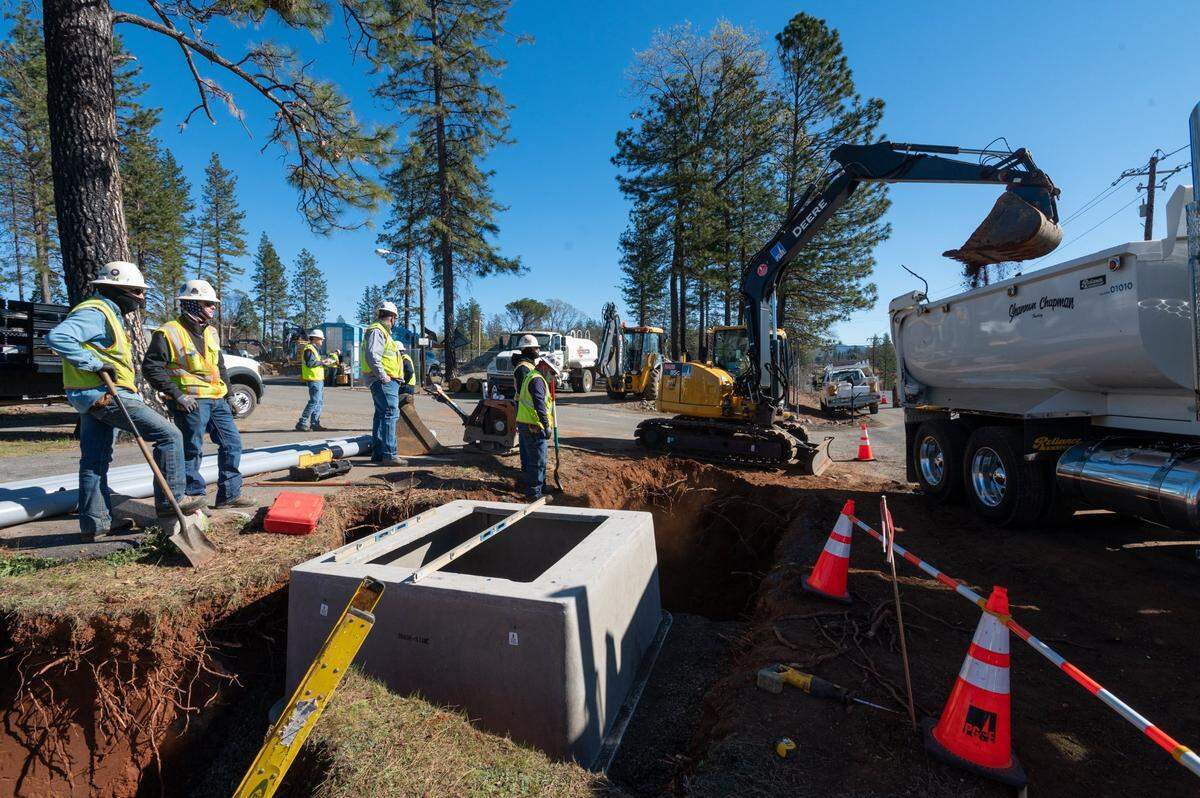
The council said Oakdale residents need help sooner than PG&E offered. Member Jarod Pitassi said this could especially aid renters hoping to become owners. He added that his own house is on MID power, never topping $160 per month.
“I think it’s fair for us to stand up for the residents,” Pitassi said. “... It really ticks me off how much they have to pay.”
A caution about eminent domain
Alvarez warned Oakdale against trying to acquire the system through eminent domain, which happens when governments cannot get owners to sell. And he noted the ongoing attempt by the South San Joaquin Irrigation District to take over PG&E customers within its boundaries.
SSJID generates hydropower on the Stanislaus River in a partnership with OID. It has proposed since 2008 to use it as a cheaper source than PG&E in Manteca, Ripon, Escalon and other towns. Alvarez said this has cost SSJID about $28 million in legal and other costs so far.
He concluded with these words for the Oakdale council: “We are committed to providing safe, clean, reliable and affordable energy to our customers in Oakdale, and while we understand the focus on affordability, exploring a public takeover that isn’t viable and would create additional risk and costs will not benefit residents and customers.”
This story was originally published May 9, 2025 at 7:32 PM.