Stanislaus students explore careers in renewable energy. Some is from cow manure
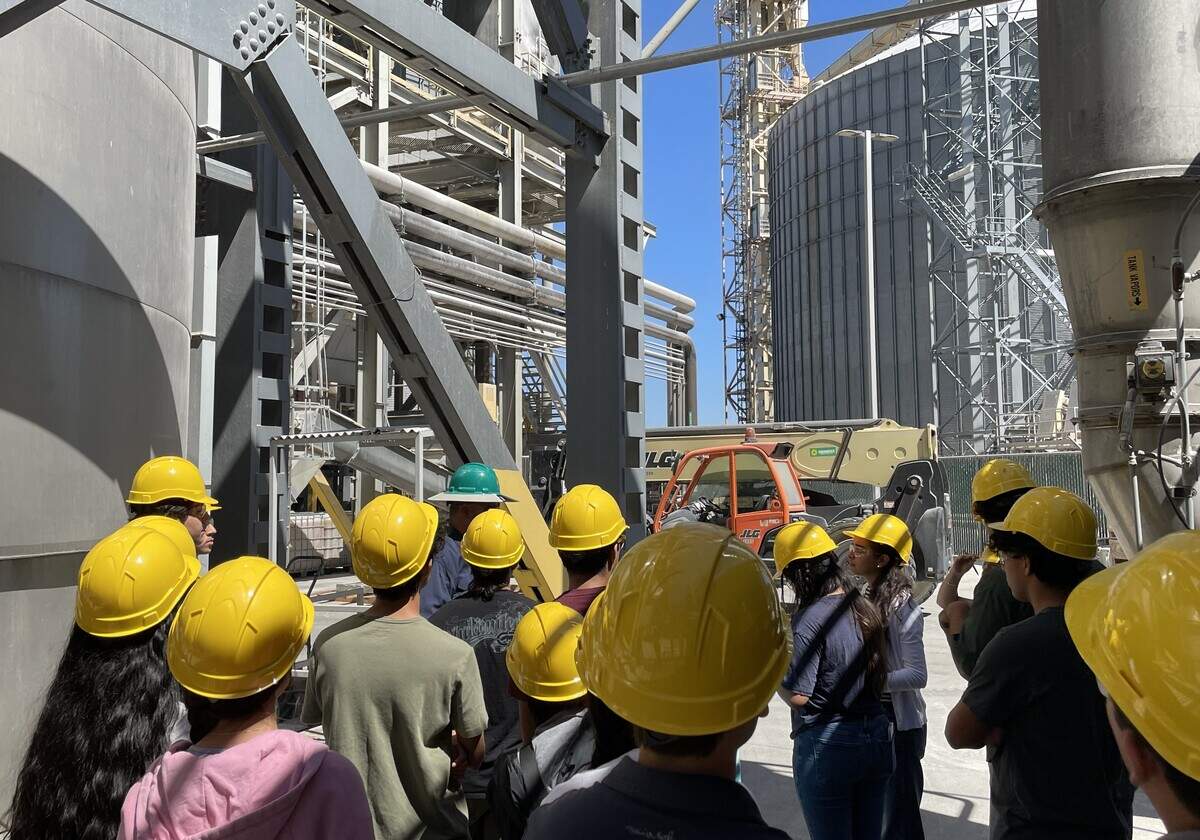
Twenty high school students spent Wednesday morning at two Stanislaus County sites devoted to renewable energy.
One was the Keyes Road plant that has brewed ethanol from Midwestern corn since 2007. The other was a dairy farm on Monte Vista Avenue that began turning manure into gas for PG&E in 2023.
Aemetis Inc. owns the ethanol plant and the adjacent hub for biogas pipelines from 15 dairy farms in Stanislaus and Merced counties. The tour was organized by Climate Action Pathways for Schools, an Oakland-based nonprofit involved in career training.
“It’s kind of inspiring,” said Nicholas Perez, who is entering senior year at Johansen High School and plans to study agricultural business in college. “It’s really cool to see the process.”
Aemetis employs 48 people in ethanol production and 20 more in dairy biogas. It is looking for a mechanic and an engineer, ethanol manager Eddie Turnbough said on the tour.
The free student program began with a July 2 visit to DeHart Technical School in Modesto. It teaches heating, cooling, plumbing and electricity, including energy-saving methods.
The high-schoolers then learned about the renewable sources for the Turlock Irrigation District’s power customers. It has tapped mostly wind and solar to meet a state mandate for renewable sources. Some of the solar panels shade canals in a UC Merced research project that’s getting widespread attention.
The students are from Modesto, Ceres and Turlock. They got around on a bus provided by the nonprofit, which also is known as CAPS. They will finish up with July 16 presentations on what they learned.
The farm tour was at S&S Dairy. It has about 1,900 cows being milked now and about 400 at other life stages. They supply the Turlock cheese plant owned by Dairy Farmers of America. The Valley has other processors where tens of thousands of people make various items.
Just what happens on a dairy farm?
Dairy farming has a quaint image — cows chomping on pasture grass, fertilized by their droppings out the back end. That’s common on organic farms, but S&S and other conventional sites have plenty of bare ground. Whatever greenery they grow — corn, alfafa and other feeds — is in separate fields.
That reality has prompted critics to claim that the cows are suffering. A different view came from Jessica Cardoso, an Aemetis project manager who helped lead the S&S tour. She grew up on a different dairy farm and is now an engineer.
Cardoso said the cattle can move about in the shaded stalls and eat whenever they like. They get veterinary care as needed. The manure is removed frequently.
“The number-one priority is a healthy, happy cow,” Cardoso told the students, “because if you don’t have a healthy, happy cow, you don’t have milk production.”
How much manure does a cow produce?
Cardoso said a cow each day eats up to 150 pounds of feed and provides up to 10 gallons of milk. The manure totals about 120 pounds per animal.
Dairy farmers send the waste to bottom-lined lagoons, where it is mixed with water to irrigate and fertilize the feed crops. State regulators are in the midst of reviewing whether the practice protects groundwater.
The lagoons also emit methane, an especially potent factor in climate change. Aemetis captures it in massive, airtight chambers known as digesters. Bacteria break the manure down into a gas that PG&E can distribute to customers. It is still burned, on kitchen stoves and elsewhere, but with a lower climate impact than petroleum-based gas.
The S&S digester can hold about 9 million gallons of manure, sealed in plastic tarps rising 14 feet high. This part of the tour impressed Jennifer Valenzuela, an aspiring engineer about to start sophomore year at Pitman High School in Turlock.
“That methane from the cow is just going into the atmosphere but could be used for something different,” she said.
How does an ethanol plant smell?
Aemetis says the digesters also reduce the odor from manure, which was tolerable when the students visited.
The next tour stop, the ethanol plant, smelled more like bread baking. It in fact uses yeast to ferment the grain into fuel. The finished product, about 180,000 gallons per day, is trucked to various places for blending with gasoline to ease the fossil fuel’s climate harm.
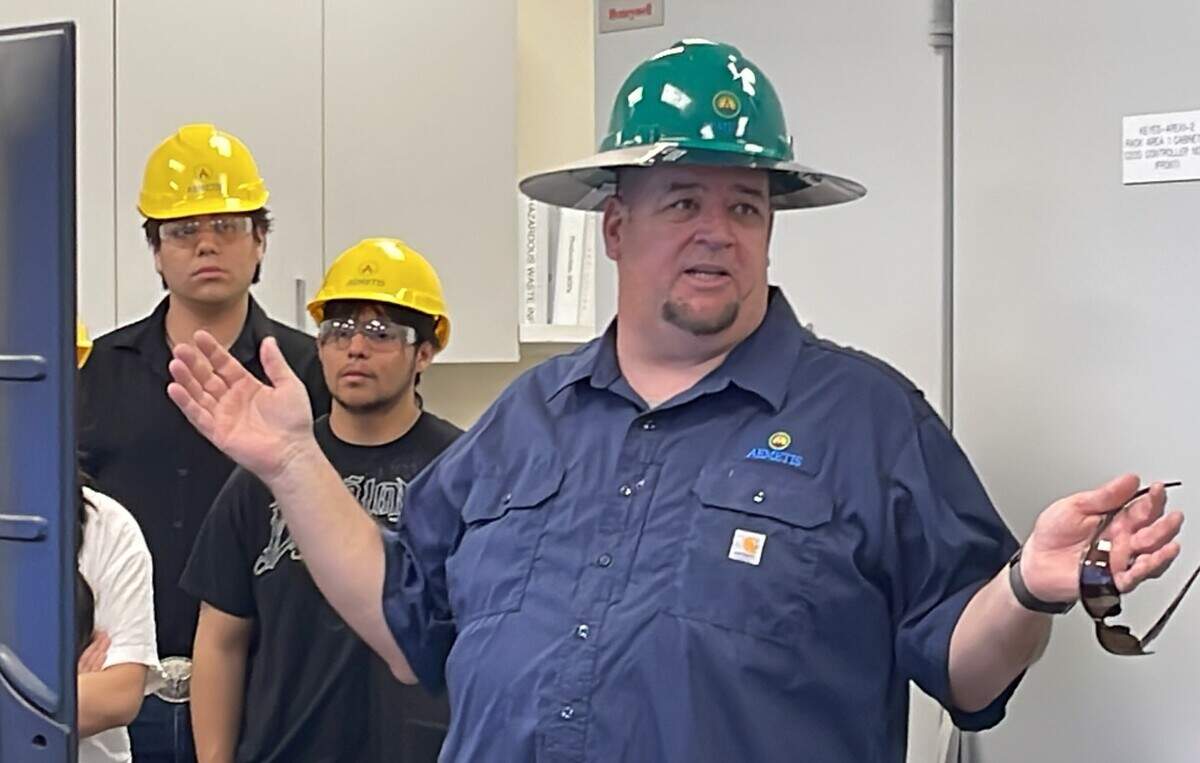
Turnbough, the Aemetis ethanol manager, has worked at the plant from the start. He said it gets 115 rail cars of corn every five days from farms in Minnesota, Iowa and Nebraska. It is considered a net benefit for the climate even with the distant shipping factored in.
The plant was built next to an A.L. Gilbert feed mill, using the same Union Pacific Railroad spur. Other companies have such silos for poultry and dairy feed around the Valley. Modesto has some from the past that are being converted into a restaurant and an event venue.
The students heard over several days about other training programs, including Modesto Junior College. They also can do apprenticeships or internships with seasoned workers.
That’s the plan already for Ephram Castro, who’s graduating next year from Central Valley High School in Ceres.
“I want to go into welding, specifically pipeline welding,” he said. “I’ve already thought about apprenticeships, especially PG&E ... I’ve also though about trade school at MJC.”
This story was originally published July 10, 2026 at 2:00 PM.