
Beyer High students made their own schedules 50 years ago. How they remember it

At age 14, Stephen Gerringer was scheduling his own high school classes, choosing when to take his exams and building time-management skills that most teenagers don’t get to experience until college.
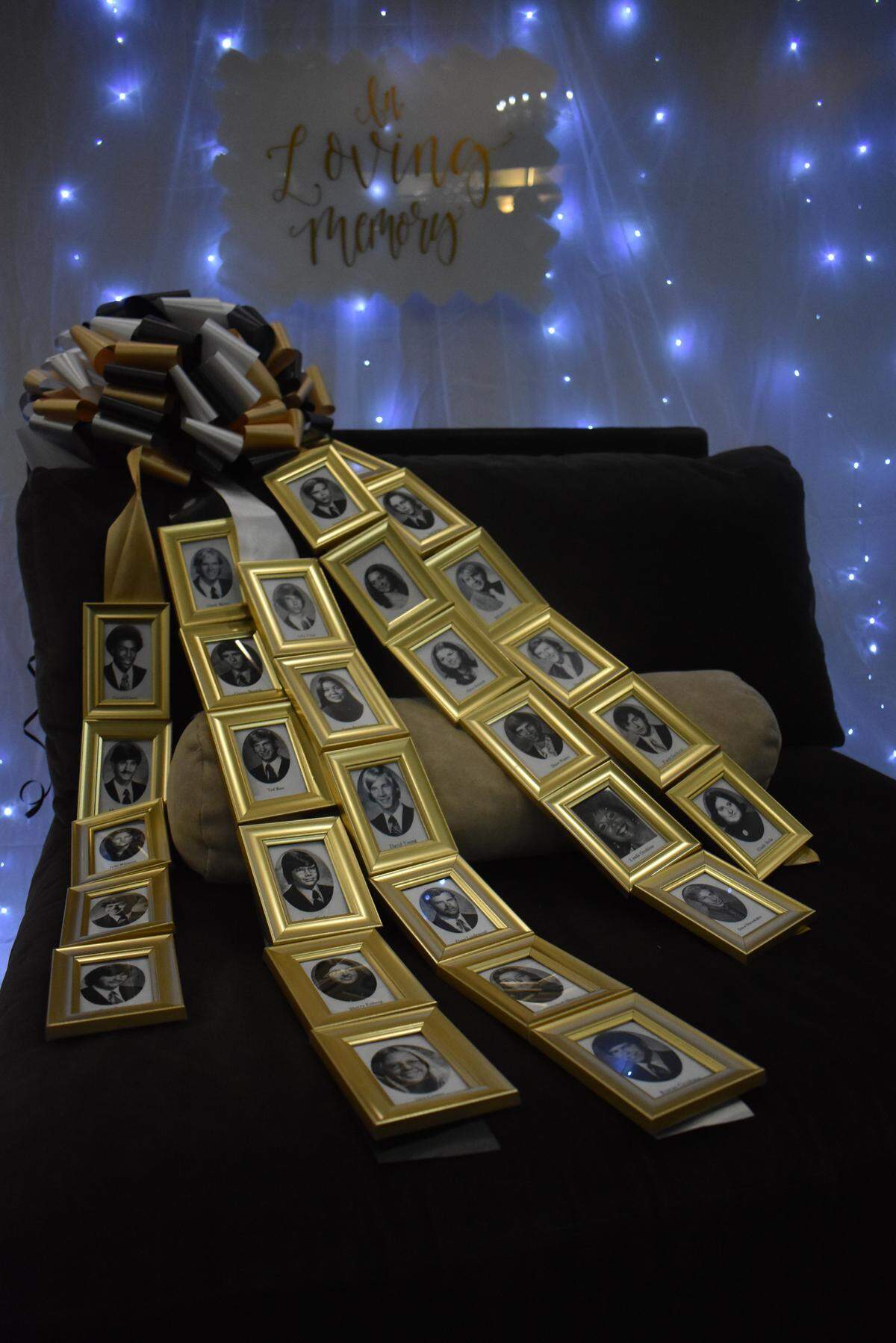
Gerringer and his Beyer High School classmates from the graduating Class of 1975 experienced a unique form of instruction called modular scheduling, which they fondly recalled during their 50th reunion on Sept. 13 at the Del Rio Country Club.

When the school opened its doors in 1972, teachers offered their classes several times daily and it was incumbent upon students to set their schedules and attend classes while balancing their appointments and extracurriculars.
“The day was broken down into 22 mods, 20 minutes each,” Gerringer said. “So no two days ever did I attend the same classes in the same order, and never did I attend the exact same schedule as any other student on campus. It was very unique, very individual.”
The goal was to prepare students for adulthood by offering them more independence and responsibility. A previous Bee story from Jan. 1981 reported that the Modesto Board of Education voted to end modular scheduling nine years after its launch citing decreasing enrollment and the belief that the instruction style “fosters class cutting.”
While some of Beyer’s earliest students remember using the modular system to sign a friend into class or skip class themselves, others used the system to manage a rigorous course load and graduate early, or be a dedicated student athlete with more freedom to schedule exams and classes around games and training.
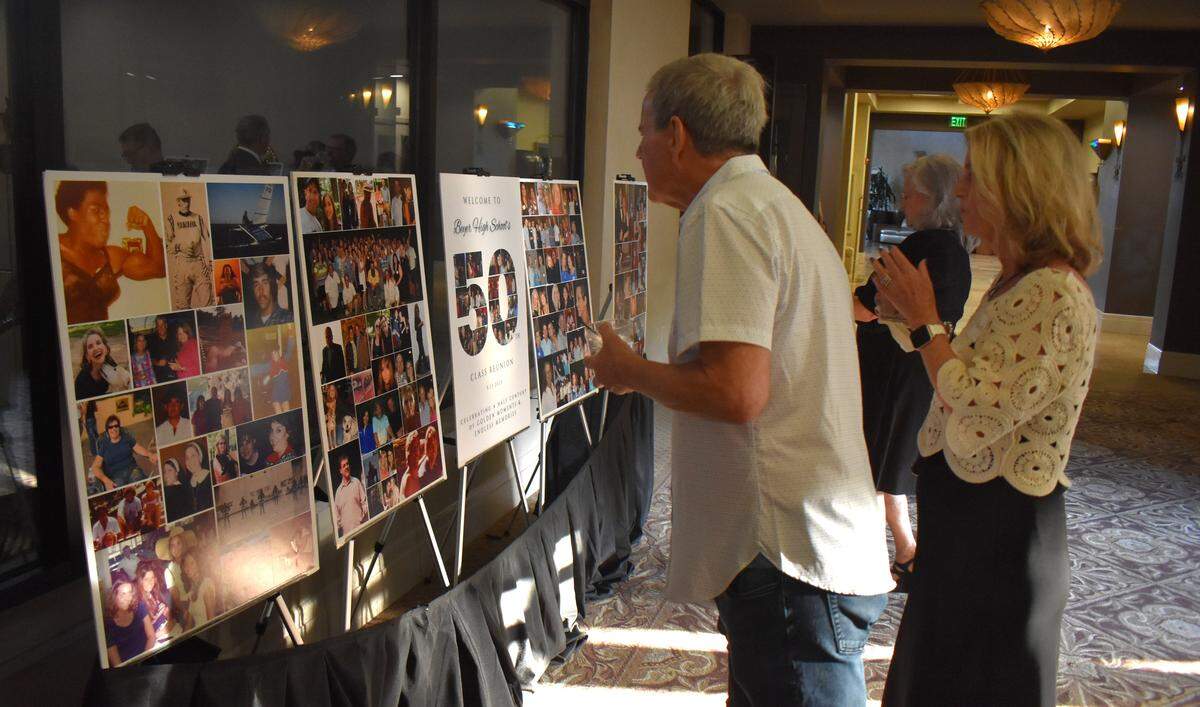
Rachel Strickler was one of the students who used the school’s system to graduate half a year early. She recalled how she could have graduated after her junior year, but she wouldn’t have been able to graduate with her classmates. So, she stuffed her schedule with some light classes for another half year.
“I worked in the office. I worked for the science department. I took a PE class, so I didn’t take anything major because I was going to JC,” Strickler said.
After Beyer opened, many freshmen who initially attended Downey High were moved to the new school as sophomores. Gerringer remembers being excited to go to Beyer and ditch the overcrowded lockers at Downey.
“Downey was incredibly crowded. We were sharing lockers. I was just kind of getting used to the whole idea of high school, junior high,” Gerringer said. “My mind was being in a place that was a little less crowded, because I felt a bit lost at Downey.”
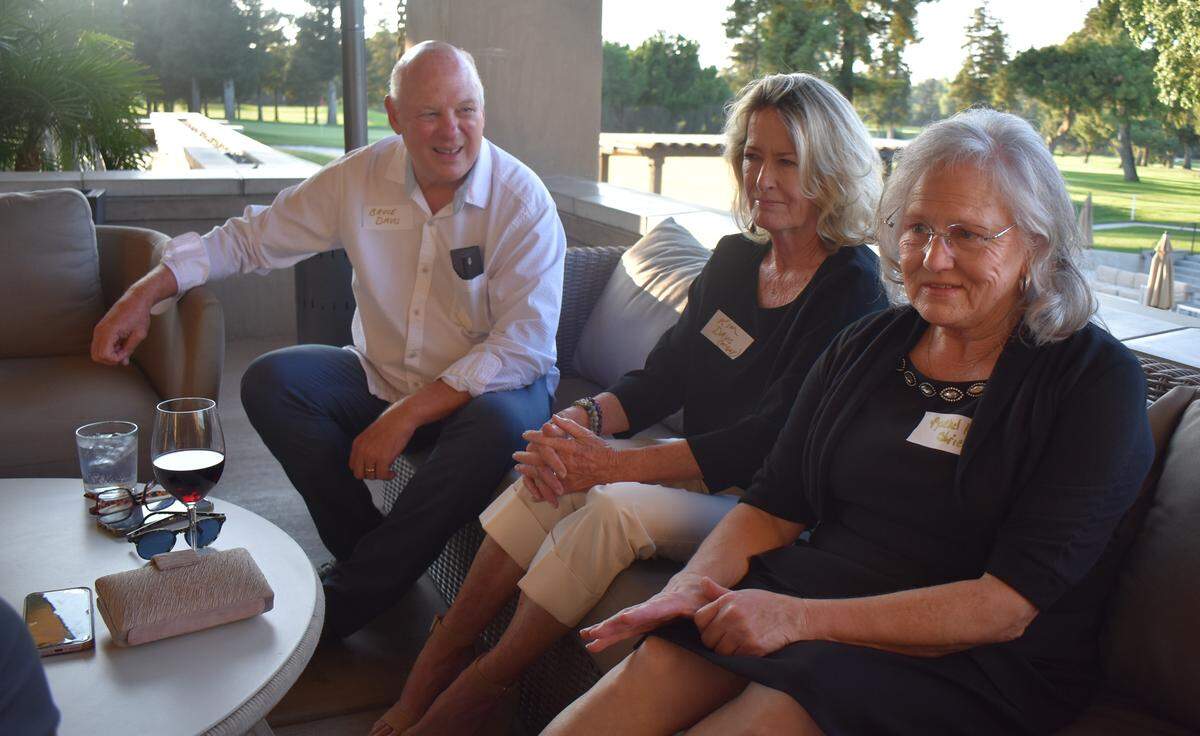
Kim McGuy Davis recalled how students were excited about the prospect of attending a new school. As the high school’s second official graduating class, she and other classmates created the school song and got to vote on its official colors and mascot.
“We got to vote on our colors. We voted on our mascot. We voted on everything which was really cool, a brand new high school,” McGuy Davis said.
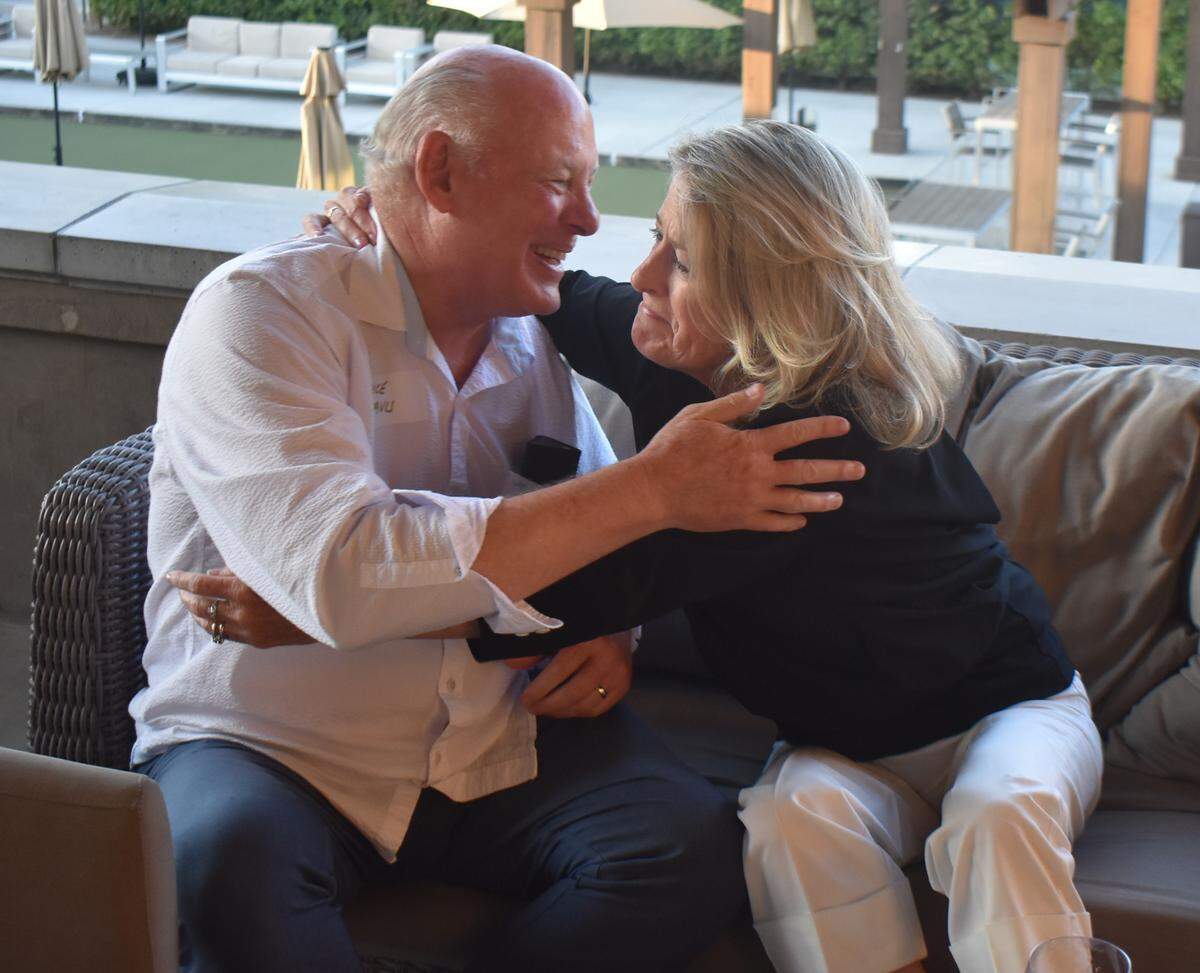
Bruce Davis, Kim’s husband, said that while the freedom and responsibility modular scheduling gave may not have worked for others, it prepared him for adulthood.
“I was in charge of my own day. It made me feel like an adult. It empowered me to do what I wanted to do, when I wanted to do it. If I needed more time to study for a test, I could schedule that test later in the day, as opposed to 8:30 a.m., first thing,” Bruce Davis said. “That was really cool.”
Gerringer concurred. He said the responsibility and independence afforded by modular scheduling prepared him for college and beyond.
“Once I made it out to college and then into the real world, it was marvelous in terms of choosing my college courses, determining my schedule, budgeting time in real life, I’ve been doing all of that since I was 14 years old, so it flowed for me relatively well,” Gerringer said.

This story was originally published September 16, 2025 at 1:30 PM.