How Hispanic-serving institutions help Latino instructors, students at Stanislaus campuses
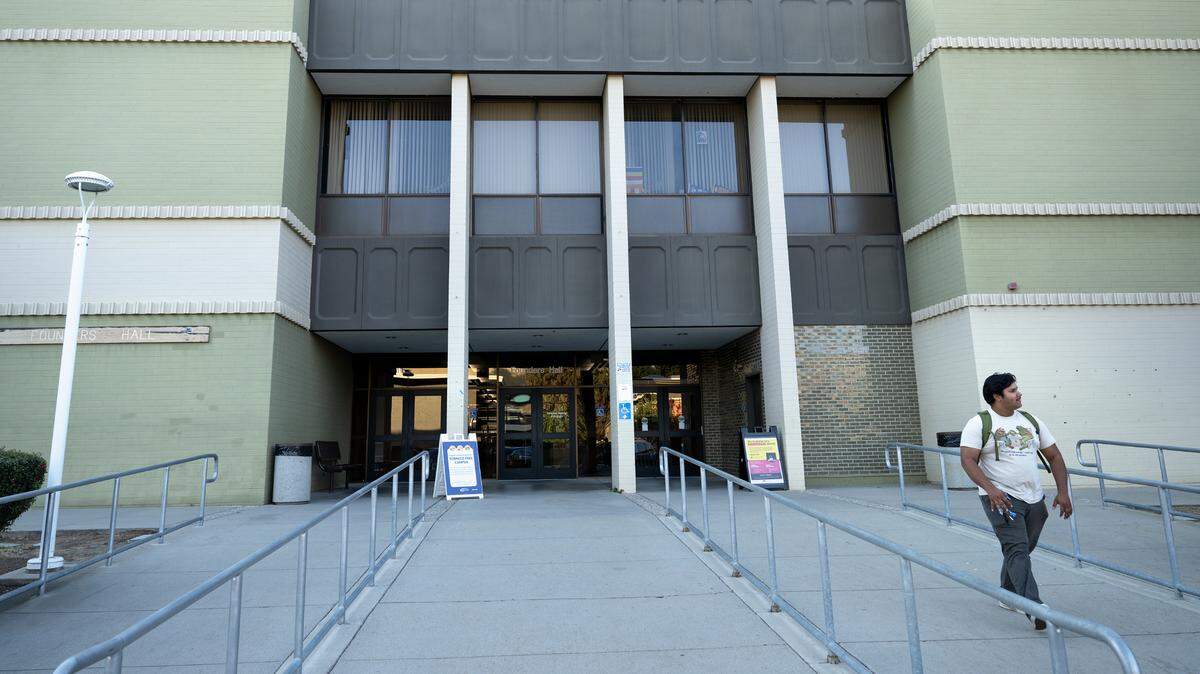
Young people entering college can struggle to find their place on campus, let alone in the world. That can be more difficult if they have to search out people from similar cultural backgrounds.
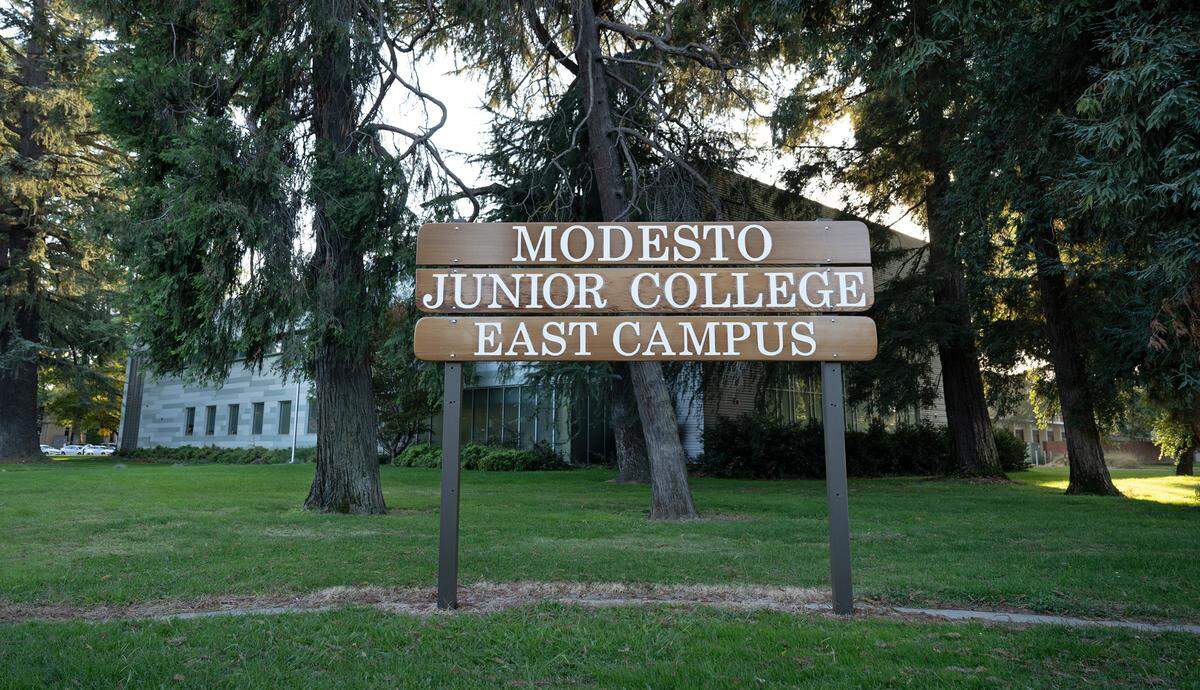
Graduating high school students have options to attend colleges that are designated “Hispanic-serving institutions,” including Modesto Junior College and Stanislaus State University.
Hispanic-serving institutions, or HSIs, are nonprofit colleges with a full-time-equivalent undergraduate student enrollment of at least 25% Hispanic or Latino as defined in federal legislation under Title V of the Higher Education Act.
To gain this title, colleges must request eligibility through a federal application process. The institutions also are required to have a certain percentage of students eligible for federal grants that apply to low-income, first-generation or underserved students.
“It’s so important to make sure that the services that we provide for our community, as an HSI institution ... is done in a culturally meaningful way,” said Gisele Flores, a professor of child development at Modesto Junior College. “It’s important for our community to see our college as a place where they belong, where they’re seeing their culture is respected and valued.”
There have been multiple events on campus that cater to Latino students, Flores said. Last month, MJC hosted the Hispanic Education Conference, where high school students, college students and community members celebrated Hispanic culture and history.
The college also has a Latinx graduation to highlight this group of students. And multiple professors and personnel are bilingual, for students who might feel more comfortable speaking Spanish.
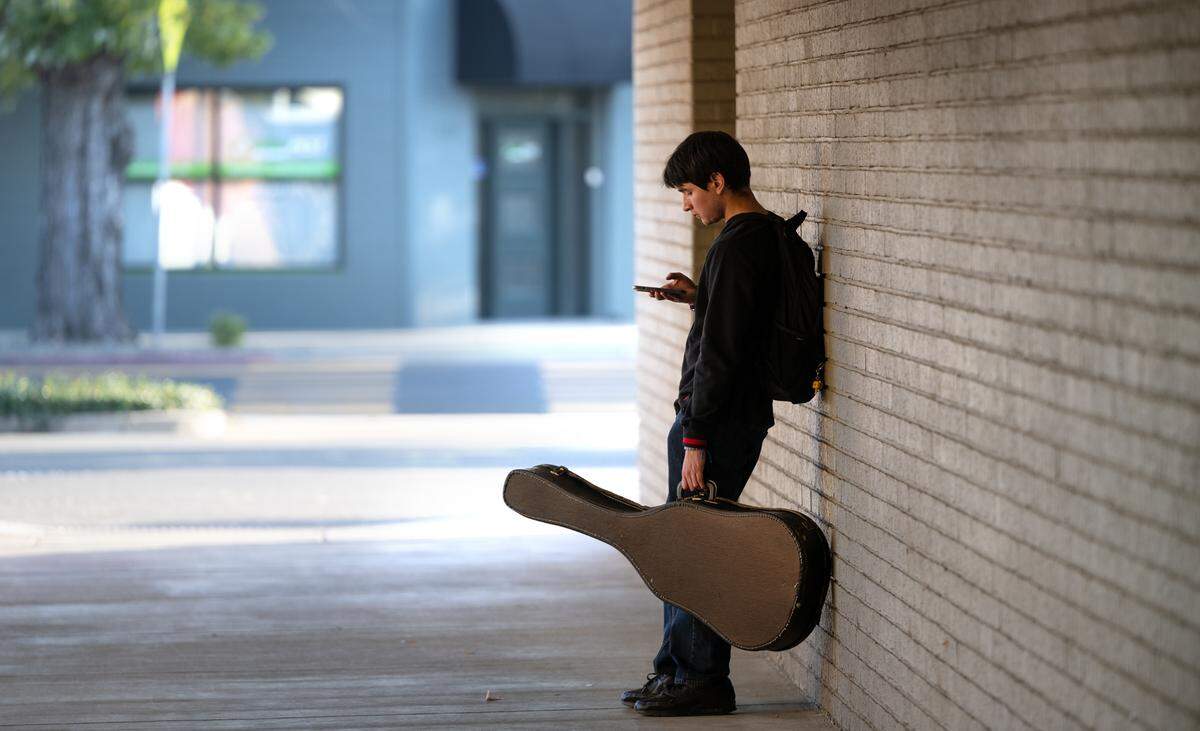
“I know myself as a Latina faculty member, I allow my students to submit work in Spanish [and make] presentations in Spanish because I can understand the language,” Flores said. “I know that they can tell me more of what they know and understand in a language that they feel more comfortable with.”
Flores attended Modesto Junior College and graduated with her associate’s degree in child development in 2012.
“I know I got the support that really encouraged me and motivated me and inspired me to move on in my education and professional life in ways that I had never imagined ... ,” she said. “ So I feel like I have a responsibility in my community to make sure that I’m providing that same kind of encouragement, support and opportunities for the students.”
Cristian Lopez is a third-year student studying business management at Stanislaus State. As a first-generation student, Lopez admitted he felt weird while adjusting to life on campus. Eventually, through joining clubs like the Male Success Initiative, which helps men of color at the university, he adapted.
Seeing many of his peers look like him and come from the same background as a Mexican American student helped him become more comfortable and confident in his academic journey.
“Sometimes the students tend to drop out of school because they don’t feel like they belong here and there are definitely programs to help, but I kind of wish there’s more cultural events to show students that the university understands you and celebrates you,” Lopez said.
Stanislaus State has several organizations to help connect Latino students with one another, including Chicanos Unidos for Academic Achievement, Movimiento Estudiantil Chicano de Aztlán and the Cesar E. Chavez, Dolores Huerta and Larry Itliong Committee.
There are also Latino-based fraternities and sororities active on campus, such as Nu Alpha Kappa fraternity, Phi Lambda Rho sorority and Lambda Sigma Gamma sorority.
In addition, staff are a part of the Chicanx Latinx Faculty and Staff Association that advocate for Latino professors and students.
At Modesto Junior College, around 54% of students identify as Hispanic or Latino during the 2022-2023 school year. At Stanislaus State, around 62% of students identify as Hispanic or Latino during the fall semester in 2023.
This story was originally published November 7, 2024 at 10:00 AM.