Are Stanislaus schools following California sex ed standards? What’s being taught?
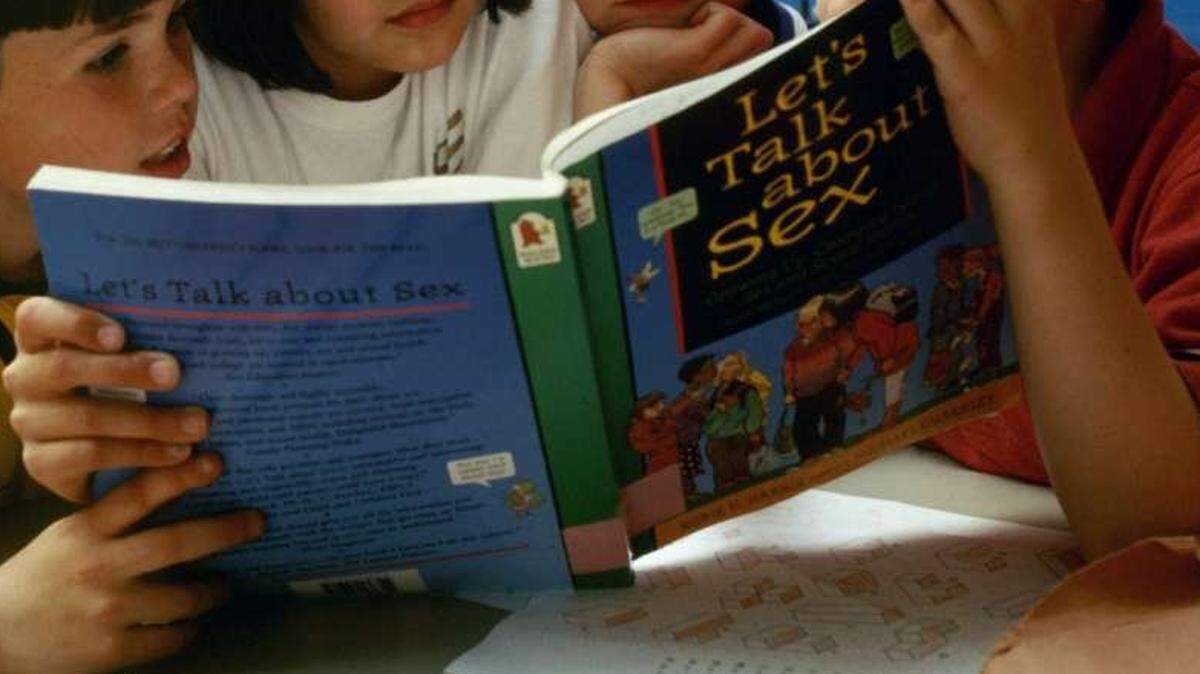
Earlier this year, Modesto City Schools was notified by the state that its middle school sex education curriculum was not comprehensive and contained inaccurate and misleading information. Since then, the district has approved a new curriculum that complies with state law. How do other school districts in Stanislaus County stack up?
The Modesto Bee reached out to local school districts to examine if their sex education curriculum is included in the California Healthy Kids Resource Center and falls in compliance with the California Healthy Youth Act.
According to the state, the purpose of the California Healthy Youth Act is to provide all students with the knowledge and skills necessary to protect their sexual and reproductive health from unintended pregnancy, human immunodeficiency virus (HIV) and sexually transmitted infections.
Under the California Healthy Youth Act, the material must include passive parent or guardian notification for comprehensive sexual health education and HIV prevention education, either at the beginning of the school year or at least 14 days before instruction.
What do local school districts use?
▪ Positive Prevention Plus
Ceres Unified, Oakdale Unified, Riverbank Unified and Sylvan Union School District use Positive Prevention Plus curriculum materials. According to the California Healthy Kids Resource Center, materials are mostly compliant with CHYA but have some issues.
Positive Prevention Plus is compliant with: the alignment and support of the California Healthy Youth Act. It is found to be age-appropriate, medically accurate and not promoting religious doctrine.
The materials also are compliant with discussions of sexual orientation and gender. The materials also have inclusion of communication with parents, guardians and trusted adults.
The sex ed is compliant with curriculum that teaches about committed relationships and healthy relationships. Positive Prevention Plus also reviews the social issues and nature of HIV and other STIs and how they are transmitted, risk reductions and treatment. The materials also properly discuss FDA-approved contraceptive methods.
But some big issues cited in Positive Prevention Plus by the California Healthy Kids Resource Center are that the materials do not adequately have instruction on all legally available pregnancy outcomes, which include but aren’t limited to parenting, adoption and abortion, surrendering physical custody of a minor child 72 hours of age and the importance of prenatal care.
There is also no information on adolescent relationship abuse and domestic violence with a partner, including early warning signs.
In addition, the resource center found the Positive Prevention Plus does not provide a curriculum to teach and promote healthy attitudes about body development and image.
▪ “Check the Facts”
Patterson and Turlock Unified use “Check the Facts” sex education materials for middle school students. The materials were created by the Turlock Pregnancy and Health Center, a religious women’s health organization. Those involved with the center also give presentations for the sex education material.
The materials are given to the district at no cost.
The “Check the Facts” program is not in the California Healthy Youth Resource Center database and has not been reviewed by it to determine compliance with CHYA.
The “Check the Facts” website does claim it is in compliance with the law.
Jennifer Chou, a staff attorney for the Gender, Sexuality & Reproductive Justice Program at the ACLU of Northern California, said school districts in the Central Valley have a long history of working with crisis pregnancy centers.
A crisis pregnancy center is a type of nonprofit organization established by religious groups primarily to persuade pregnant women not to have an abortion. The centers do not provide comprehensive reproductive health care.
“I think most school districts understand that to work with the crisis pregnancy center requires a lot of heightened attention to the type and content of the instruction that they might otherwise provide,” said Chou.
▪ Teen Talks Middle School
During its June 3 meeting, the Modesto City Schools’ board approved Teen Talks Middle School as the eighth-grade curriculum. It was approved by a 4-3 vote, and materials requiring a demonstration of dental dams and putting on a condom were removed.
According to the California Healthy Kids Resource Center, Teen Talk Middle School is fully compliant with the California Healthy Youth Act. However, the center recommends adding information about Hepatitis C and clear treatments of gonorrhea.
Teen Talks Middle School will be taught to students in the fall. Beforehand, parents will have the opportunity to review the materials once more and can opt out their students.
California Healthy Resource Center Director Nora Hana said there may be some materials in the center that do not fully follow the California Healthy Youth Act. She said the organization has indicated this by stating on its website assessment tools where the gaps are and what is missing for each of these curricula.
“We invite many publishers to have their curriculum reviewed and there have been many that have declined the offer on numerous occasions,” Hana said. “We are in the middle of a review right now and we will have additional curriculum added to our list of reviewed curriculum by the end of June.”
Chou said parents, teachers or anyone wanting to take a closer look at a school’s sexual education material can go to the ACLU website to look at a rubric and a checklist to ensure instruction is being provided in a way that is objective and medically accurate.
Under the California Healthy Youth Act, comprehensive sexual health and HIV prevention education are mandated and should happen once in middle school and once in high school.
As for other requirements in the CHYA checklist, the curriculum must be age-appropriate, be medically accurate and objective, have materials that are knowledge- and skill-based, accessible to English learners, accessible for students with disabilities, not promote any religious doctrine, inclusive to those with other sexual orientations, discusses gender and gender identity, and more.
“I do think it’s really important for people to be paying very close attention, not just when these contracts or curricula are being adopted at the school boards, but well after that,” Chou said. “In the classroom, it is really important for students and parents to know what their rights are.”