60% of California’s third-graders can’t read. Here’s one legislator’s plan to fix that
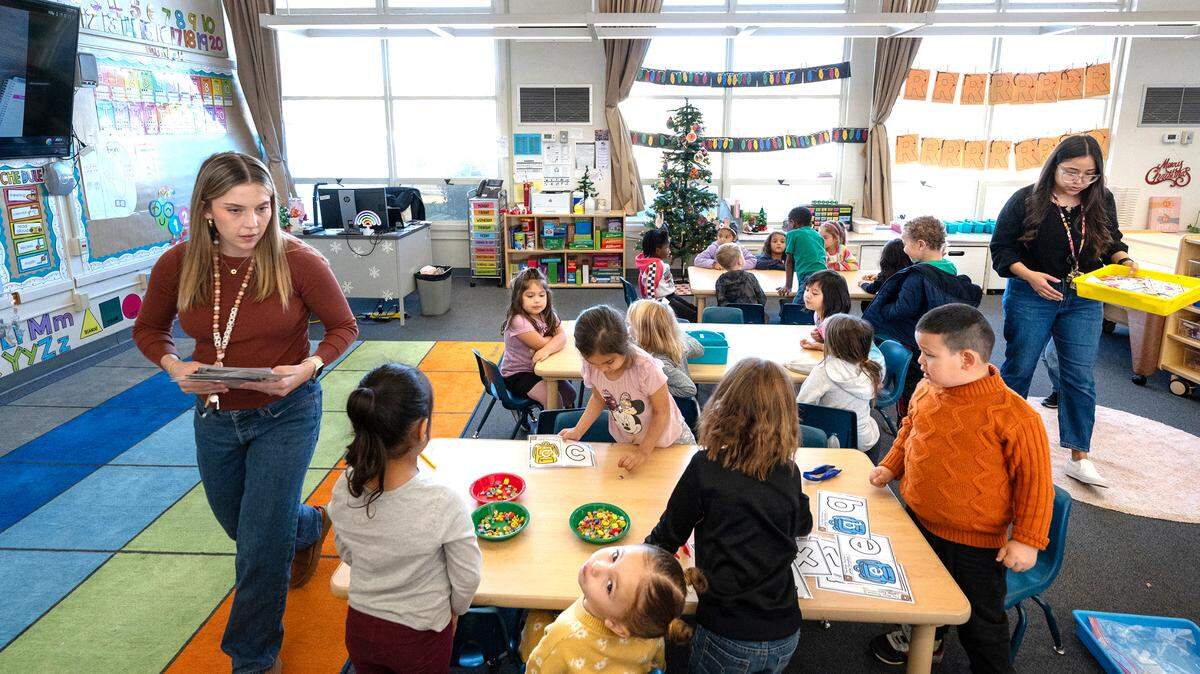
A California assemblywoman has introduced a bill to address the poor literacy rates of California students.
Data show 60% of children in California can’t read by third grade, according to a policy brief co-authored by the EdVoice Institute in December.
In Modesto City Schools’ Elementary District, around 73% of students did not meet the achievement level for English Language Arts in the California Assessment of Student Performances and Progresses, also known as CAASPP, in the 2022-23 school year. In California, 53% of students did not meet the achievement standard for that test.
Assemblywoman Blanca Rubio, D-Baldwin Park — a former teacher in Fontana Unified School District in San Bernardino County — said she wants this bill passed to set students up for success in their classes by high school and to avoid building more prisons. She finds low literacy rates affect Black, Latino and low-income students most.
“When a child is not literate, it’s very easy to get into fits of low self-esteem and expectations and they seek alternative methods of getting popular or being part of a group,” she said. “Sometimes that means being in gangs, getting in trouble or being incarcerated at some point.”
In Modesto City Schools, 82% of Black students and 77% of Latino students did not meet the standard for the English Language Arts assessments. This is compared to only 57% of white students not meeting the standard.
What the bill would do
The bill would require updates to state-adopted English language arts, English language development and reading instructional materials. In addition, the bill calls for professional development for elementary educators.
Professional development for teachers would be on “evidence-based practices” including instruction focused on the ability to recognize and manipulate the spoken parts of words, ability to identify specific sounds of a word, oral language development, vocabulary, comprehension and writing.
“This bill will help prepare teachers. No one wants to be in a job that they don’t feel good at,” said Megan Potente, the co-state director for Decoding Dyslexia California. Decoding Dyslexia California is an advocacy organization that aims to raise awareness among communities and families about dyslexia, to help improve resources for students. The organization helped sponsor this bill.
Potente said children with dyslexia and other special needs are vulnerable to poor levels of literacy as well.
“It’s really important that we identify challenges that kids are having early and because we know that 90% of children with reading difficulties will achieve grade-level reading if they get the right help before the end of first grade.”
Ketrina Serrano, who has a child in Modesto City Schools’ High School District, said it would be nice to see this bill as an addition. She said she believes that if the curriculum hasn’t changed in 10 years, it would be great to upgrade it and get more training.
“It’s not going to upgrade what teachers do but add to it,” she said. “Funding for curriculum is always nice as well. Also, scores are so low, we obviously need to teach towards the structure of the test.”
This story was originally published March 7, 2024 at 12:00 PM.