Thousands of new homes planned in Patterson. How that will impact already crowded schools
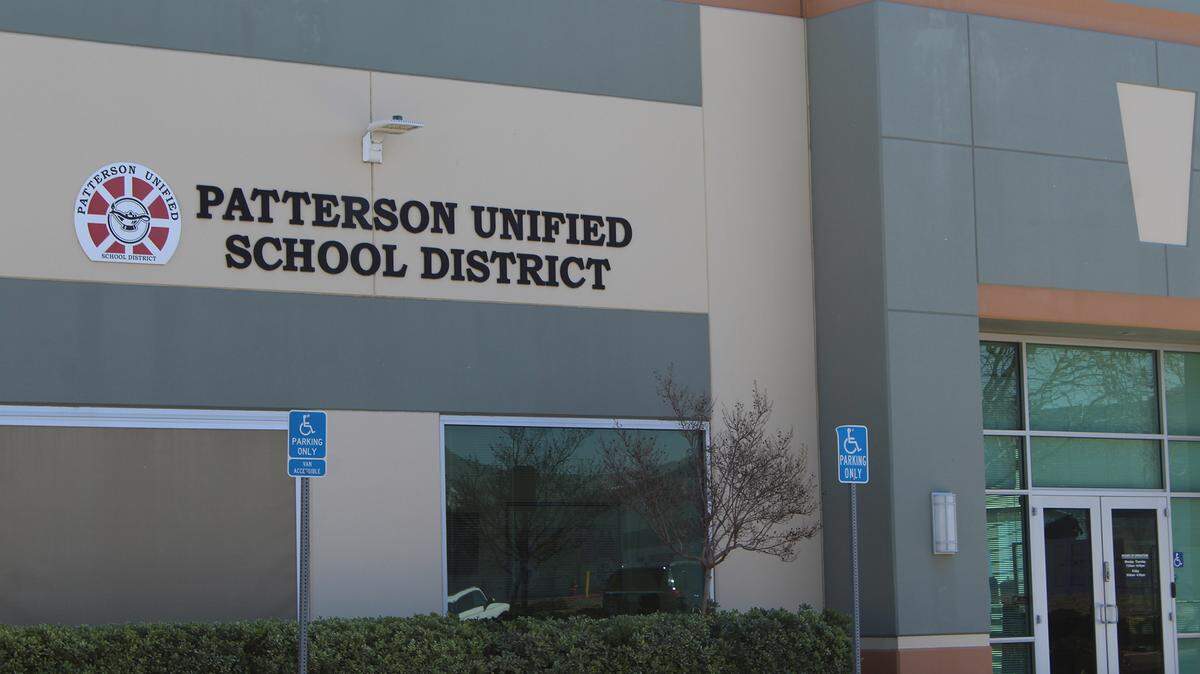
The Patterson Joint Unified School District will host three information sessions over the next month to explain how four residential development projects could affect its schools for years.
Two projects are in progress, and two more are pending city approval, according to Assistant Superintendent Jeff Menge. Combined, the plans would generate 8,756 homes and more than 5,800 students, nearly doubling the district’s current enrollment, Menge said in a presentation to the school board in early February. The district’s schools are already at capacity, he said.
“I want to be transparent and let the board know there’s a lot of issues,” Menge said in the meeting.
The anticipated influx of students matters for all Patterson residents because of potential tax hikes needed to build new schools, district leaders say. If the developments outpace preparations for more school space, the district’s existing facilities could become overcrowded and students could be forced into year-round schedules, Menge said.
Menge and Superintendent Phil Alfano are leading growth planning workshops to be candid about the process of building schools in California, which is highly regulated and costly, Alfano said. They want residents to be aware of how local public education, and their community at large, could change.
The sessions are scheduled for 5:30 p.m. before school board meetings on March 7, March 21 and April 4. People can watch in person at the district’s professional development center and online through WebEx. A webinar link is included in the agendas.
The first workshop will provide a historical overview of residential development in Patterson and its impact on schools. The second will explain how school construction is funded, and the third will go over the costs of building schools in California, according to Alfano.
What’s happening in Patterson influences economic development not just for the city’s nearly 24,000 residents, but for the rest of Stanislaus County, Alfano said.
Patterson sits close to the I-5 corridor, which means it’s a prime spot for attracting new jobs, Alfano said. Home buyers and businesses alike evaluate the quality of local education when considering whether to move to Patterson, he said.
Enrollment in Patterson schools rose just 2% from the 2010-11 school year to 2020-21, according to data provided by the district. About 6,200 students currently attend the district’s nine schools. Of those, about three-quarters qualify for free or reduced price meals.
The projects the city already has approved are Villages of Patterson and Baldwin Ranch North. When Baldwin Ranch North was approved in January, district leaders had not yet reached an agreement with the developer, according to previous Bee reporting.
The nearest elementary school, Apricot Valley, already has issues with traffic congestion due to narrow surrounding streets, Alfano said. Adding more students to the already full school would make this worse, he said.
Two projects pending city approval are called Baldwin Ranch South and Zacharias, Menge said.
In Alfano’s statement to the school board in early February, he pointed out that about 70% of the district’s students come from families living in poverty.
“We owe it to them to make sure their children are provided the same quality education and school facilities as children in more affluent communities,” the superintendent wrote. “This is a public trust we hold sacred, and it is the very foundation of our beliefs as Americans.”
This story was originally published March 4, 2022 at 11:21 AM.