‘Clear progress’: Report on teacher diversity shared with Modesto City Schools board
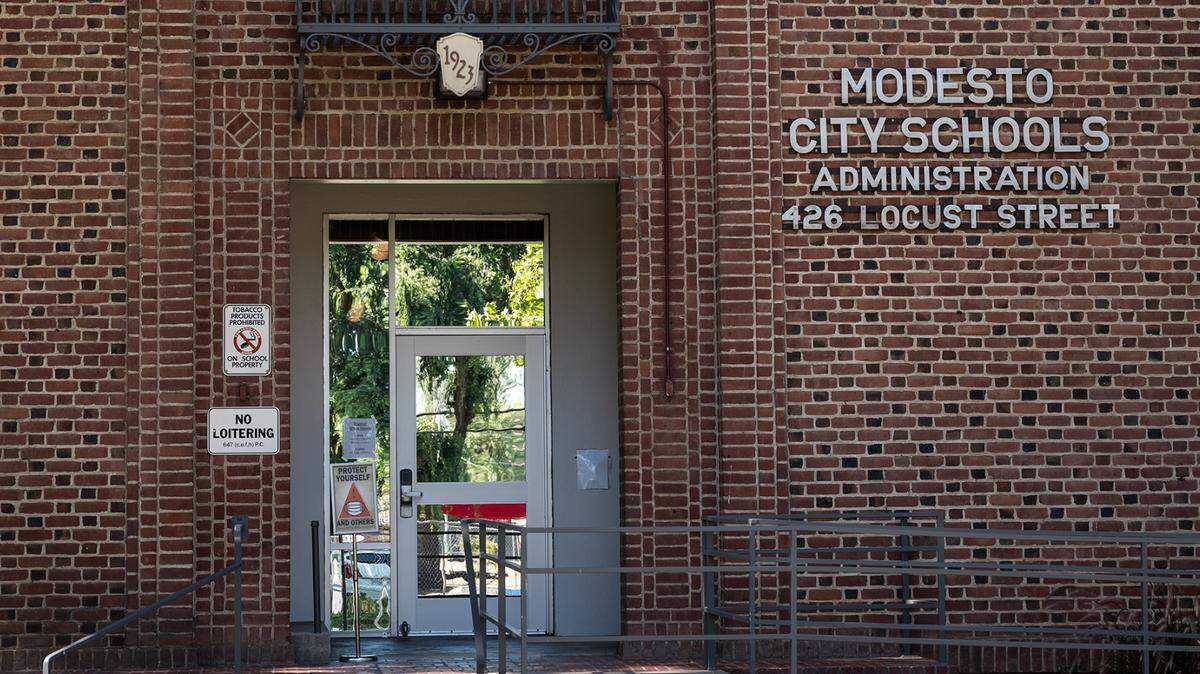
The percentage of Modesto City Schools students who are Hispanic or Latino is more than double the district’s Hispanic or Latino teachers, according to an analysis presented to the school board Monday.
Associate Superintendent Mike Henderson said the diversity of Modesto’s largest school district is improving but the district has more work to do to reflect the demographics of the student body.
“The data show clear progress,” he said.
The presentation touched on two of six equity recommendations the school board approved last spring. Henderson presented baseline data on teacher diversity and on placement of teachers with little experience or incomplete qualifications.
The remaining goals drafted by the district’s Equity and Racial Justice Task Force include analyzing grading policy and course offerings, improving communication with parents of color, developing trust through improved customer service and conducting equity audits. District leaders reported on work for equitable grading practices in November and plan to present progress on other goals at future school board meetings.
New hires more diverse
Hispanic or Latino students make up 66% of the district’s population, according to a presentation at the meeting. Eighteen percent of the district’s students are white, 5% are two or more races, 4% are Asian, 2.5% are Black and 4% identify as “other.”
However, 70% of the district’s teachers are white, 23% are Hispanic or Latino and 2% are Black. Six percent were identified as other. Employee data was not broken out for people who are Asian or multiracial.
The district is focusing its employee diversity efforts on teachers, Henderson said.
Representation gaps are not specific to Modesto City Schools. According to The Education Trust, over half of U.S. students are people of color, but fewer than 20% of teachers are. In California, 34% of teachers are people of color, according to the Learning Policy Institute.
But research shows a diverse teaching force benefits all students, especially students of color.
Modesto City Schools’ workforce reflects “increasing diversity across all employee groups,” Henderson said, with the strongest changes in new hires, district leadership and teaching staff. He noted that the data collection occurred over the time coinciding with widespread teacher shortages.
From 2019-21, the proportion of Hispanic or Latino employees increased by 3%, while the proportion of white employees decreased by the same amount, according to the presentation. In 2021, 54% of all employees were white, 37% were Hispanic or Latino, 3% were Black and 7% were other.
Of managers, 28% identified as Hispanic or Latino in 2021, a 2% increase from 2019. White people accounted for 62% of managers in 2021, a 5% drop from 2019. Black people accounted for 5% of managers in 2021.
Hispanic or Latino people accounted for nearly half of classified employees, white people 40% and Black people 3%.
Hispanic or Latino certificated employees, or those in teaching positions, rose from 20% in 2019 to 23% in 2021.
The district made the greatest strides toward racial diversity in new teacher hires, though white teachers still accounted for more than half of those hired.
In 2021, 34% of the district’s new teacher hires were Hispanic or Latino, a 9% increase from 2019. Black people made up 5% of new teacher hires in 2021, up from 2.7% in 2019.
New management hires “representing diversity” rose from 12% in 2016 to 55% in 2021. For teaching staff, new hires representing diversity increased from 32% in 2016 to 44% in 2021.
Analysis of teacher placement
The teacher shortage has caused the district to hire more people who are working toward, but have not yet received, credentials for the area they’re teaching, Henderson said. The district has 39 teachers who are not yet fully credentialed for the area they’re instructing.
Two of these teachers work at Orville Wright Elementary, but otherwise, district leaders did not find a “significant concentration of not fully credentialed/misassigned teachers at high-need sites,” according to the presentation.
The district has 117 teachers who have two or fewer years of teaching experience.
People in their first or second year of teaching make up 12% of California’s teaching force, according to the Learning Policy Institute.
Trustees suggest additional data
Board members requested some additional data. Board President Adolfo Lopez asked for data on applicants. Trustee John Ervin III suggested doing exit interviews and collecting data on teachers who leave the district.
Trustee Abel Maestas asked if Henderson’s team could compare the district’s teacher data to the demographic data of California’s teacher workforce. He also requested a breakdown of the types of courses inexperienced and not-yet-credentialed teachers are leading, such as AP, honors or remedial courses.
Seeing role models in teachers that looked like him was helpful growing up, Maestas said.
Trustee Chad Brown said it’s important to note that the teacher shortage means the district needs to hire teachers with little experience and insufficient credentials in order to fill classrooms. He and Henderson noted that a lack of experience does not mean a teacher isn’t effective.
Next steps
The district has taken steps to reform marketing, hiring practices and working conditions, Henderson said.
Hiring an equity coordinator, facilitating the work of the equity task force and offering equity-based professional development send “a message to others about the culture the district strives to create for current and prospective employees,” Henderson said.
The district has also expanded its participation in job fairs, Henderson said.
Moving forward, district leaders plan to develop data systems to make demographic information more accessible, use this data to inform decisions, evaluate hiring selection processes and continue to expand the district’s outreach, he said.
School leaders’ next steps on teacher placement include continuing to review data, supporting new teachers and leveraging hiring and transfer incentives, according to the presentation.
The full presentation is attached to the school board meeting agenda under item B.3 and can be viewed on the district’s YouTube page about 55 minutes into the Feb. 7 meeting recording.