How one Modesto district is keeping schools open during omicron COVID surge
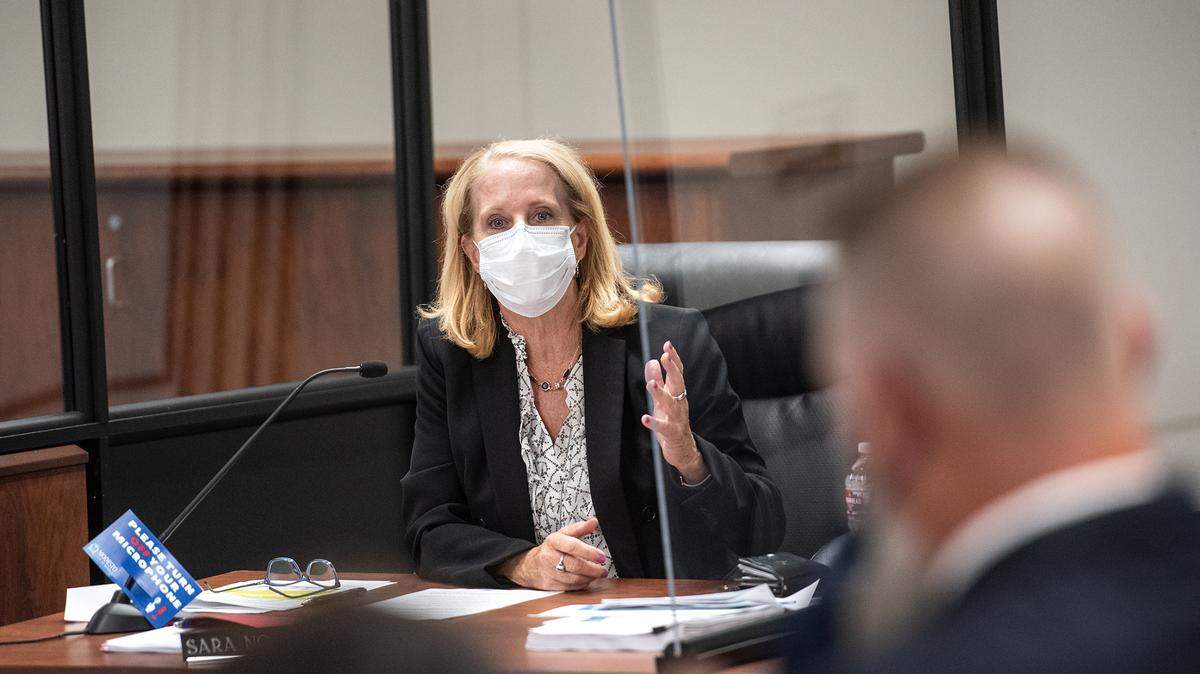
Over the past few weeks in Modesto City Schools, associate superintendents have stepped back into instructing classrooms. A senior district official spent a week as a principal, followed by stints leading middle and elementary school classes.
It’s all part of the district’s approach to keeping classrooms open amid the latest wave of the COVID-19 pandemic. Everyone is helping out to avoid closing schools, Superintendent Sara Noguchi said.
“We don’t want to go through that again, and we don’t need to,” she said. “We’re not even close to that.”
Due to the highly transmissible omicron variant, COVID-19 cases neared record levels throughout the first couple weeks of January as Stanislaus students returned from winter break. Though the surge has shown signs of peaking elsewhere, local cases have continued to spread. County health officials said Tuesday that more than 30% of tests are positive.
As of Wednesday, the Health Services Agency’s COVID-19 dashboard showed 6,840 cases reported in school settings in January. In Modesto City Schools from Jan. 17-21, 522 students and 79 employees reported testing positive, according to the district’s weekly data.
Districts have changed quarantine and isolation policies to help keep students in school, following recommendations from the California Department of Public Health and the U.S. Centers for Disease Control and Prevention.
But they’ve still faced high student and staff absences. As COVID-19 cases and subsequent staffing challenges cause temporary closures at several local businesses and school districts in other parts of the state and country, schools here have devised strategies to continue operating in person.
District leaders at Modesto City Schools, for example, said they’ve drawn on collaborative planning, job shuffling and a widespread motivation to serve students.
“No one is complaining,” Noguchi said. “Everyone is just pitching in. Everyone’s saying, ‘I’m just so glad schools are open.’”
Anticipating the omicron surge
Employees were back in their offices the week before students arrived Jan. 10. Unlike the beginning of the school year, when COVID-19 cases caught people off guard, Noguchi said they saw what was coming and anticipated staffing needs. They had time to plan.
District leaders formed lists of people who not only have credentials to teach or administrate but who also have experience in each role. They also noted people who could help out as supervisors or classroom aides, and later formed a list of people who could answer phones and talk to parents in school front offices.
The lists pulled from people working as administrative assistants at the district level, most of whom previously worked at school sites, Noguchi said. They also tapped 57 people from jobs like school instructional coaches and curriculum coordinators.
Both of Noguchi’s assistants have filled in for others, she said. Senior leaders have dispatched to schools, too.
The district profited from its size. It’s the largest in the county at about 30,000 students and about 3,500 employees.
Some items were moved to the back burner. Normally, the district runs robust professional development programs, removing some 30 to 100 teachers a day for training, Noguchi said. Those additional vacancies wouldn’t be possible with cases so high.
The district narrowed professional development opportunities to those that could run after school or on Saturdays, she said. Anything requiring a substitute was paused.
“Our staff rallies”
Human Resources has been busy. Senior director Sara Gil said she or her staff arrive at their offices by 6 a.m. They first assess holes and share them with district leadership.
Next, they call substitutes who haven’t yet picked up positions. After that, they tap people from other jobs.
“I’m in awe each day the way our staff rallies,” Gil said.
All of this is voluntary due to employee contracts, Gil said. Representatives from the district’s labor unions for certificated and classified employees did not respond to interview requests.
High schools don’t need as much help from district staff, Noguchi said. Teachers use their prep periods to cover other classes.
“If we didn’t have that, we would be in trouble,” she said.
The district has combined classes only rarely, Gil said. Sometimes, student absences lead to classes so small that it makes more sense to pair classrooms with one teacher.
For the most part, the district has filled vacancies for certificated staff, or those that require teaching credentials. Classified positions are harder to fill, Noguchi said, but that hasn’t impacted the distribution of services. All buses have run, and nutrition stands are open — they might just have one less serving window.
Juggling jobs
Mike Rich normally is a senior director of the Curriculum and Instruction and Professional Development division. Over the past few weeks, he’s acted as a principal and taught seventh, third and sixth grade.
“Nobody gets into education to, like, write board policy,” Rich said. “So having that opportunity to get back into a classroom, and be with kids out at yard duty and lunch, and talk to families — it’s just such a rejuvenating process.”
When he walks into a classroom, the teacher might have left substitute plans blocking the day into chunks of subjects: English at this hour, then math, then recess, and so on.
How do he and others handle two jobs at once? “Poorly,” he said, laughing.
Rich and the people he oversees have tried to delegate tasks when possible, he said. A person working a clerical job might not be credentialed to work in a classroom but can research questions that Rich would typically handle.
This kind of shuffling isn’t sustainable in the long term, Rich acknowledged, but in the short term, it works. “The idea is, let’s get through this surge,” he said.
This story was originally published January 30, 2022 at 6:00 AM.