How the COVID-19 pandemic will impact the way Modesto JC offers classes for some time
As Modesto Junior College kicks off a tuition-free semester, more students are taking classes and most are learning online.
College President Santanu Bandyopadhyay shared this and other updates on the college’s operations in an interview with The Modesto Bee on Tuesday morning. Spring semester classes began online and in person on Monday.
Enrollment
Like community colleges across California, MJC has experienced a decline in enrollment related to the pandemic. It’s offering free tuition and waived all fees this semester in an attempt to regain students.
Fall enrollment at MJC dipped 15-20%, spokeswoman Jeanette Fontana told The Bee in November.
Now, nearly 16,000 people are taking classes — about 1,000 more than the previous spring, Bandyopadhyay said. In addition, the number of full-time-equivalent students was up 140 compared to last spring, he said. This metric comes from a state-determined formula used to account for students taking different amounts of credits.
“We have increased our reach significantly,” he said.
School leaders would have been happy if enrollment had simply stopped declining, he said. Asked if he attributes the enrollment jump to free tuition, Bandyopadhyay said he views that as one factor along with an effective marketing campaign and staff’s commitment to supporting students.
“It is a holistic, campuswide activity,” he said.
Classes online and in person
About 20% of course sections are on campus and 80% are partly or entirely online, Bandyopadhyay said. By comparison, 90% of fall classes were online, he said.
Demand for online classes appears stronger than the demand for in-person classes since enrollment opened in November, Bandyopadhyay said. As of Tuesday, 80% of seats in online classes were full, and just half of the seats were taken for classes in person. The delivery of each class generally remains the same throughout the semester.
“We did not expect this,” Bandyopadhyay said.
Before the pandemic, Bandyopadhyay said three-quarters of classes were held on campus. But due to the distinct preference students have demonstrated for online classes, he anticipates offering a larger share of online classes compared to prepandemic levels even when cases of the coronavirus drop and it becomes safe to learn in person.
Though this could be the start of a long-term shift toward online classes, that doesn’t mean the breakdown of online and in-person classes will maintain as it is this semester.
College officials are looking at ways to ensure students don’t miss out on benefits to in-person learning as the institution moves forward with that shift.
COVID vaccinations, testing
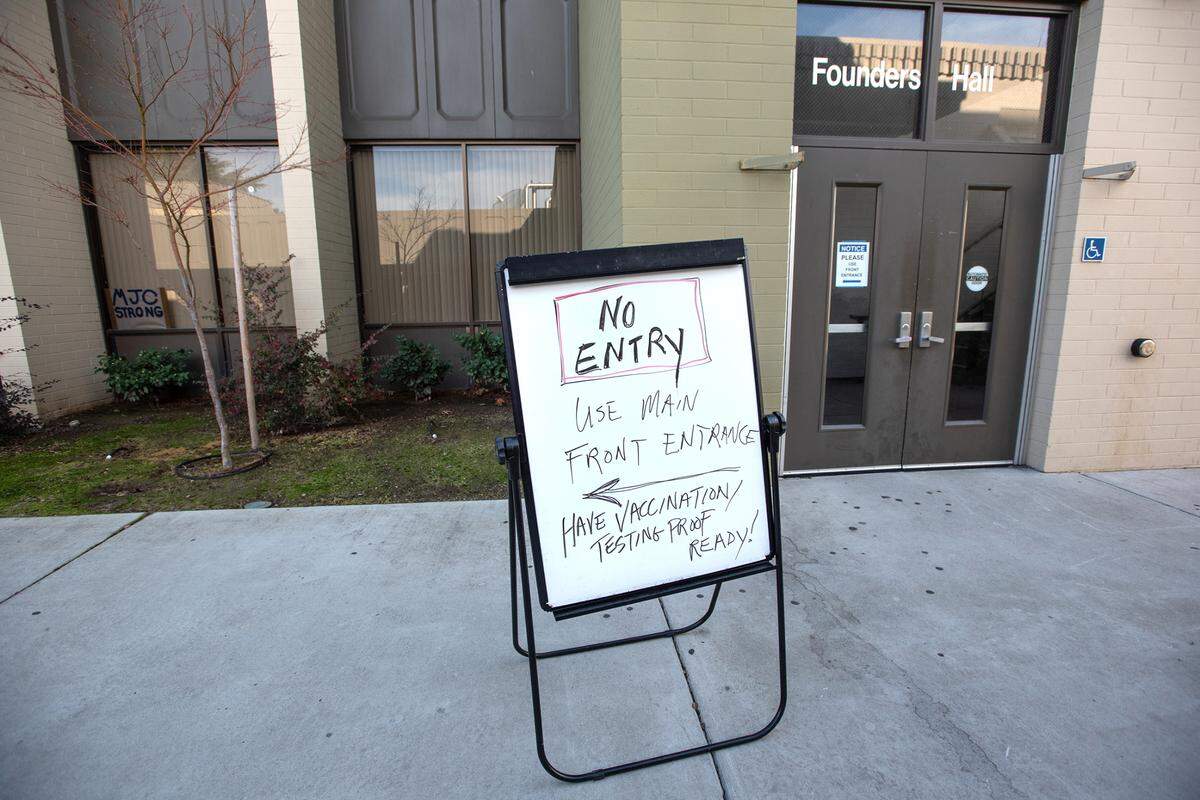
Students who attend classes on campus are required to either submit proof of full vaccination or get tested once or twice weekly, Bandyopadhyay said. The number of students who have uploaded their vaccination status is not yet available.
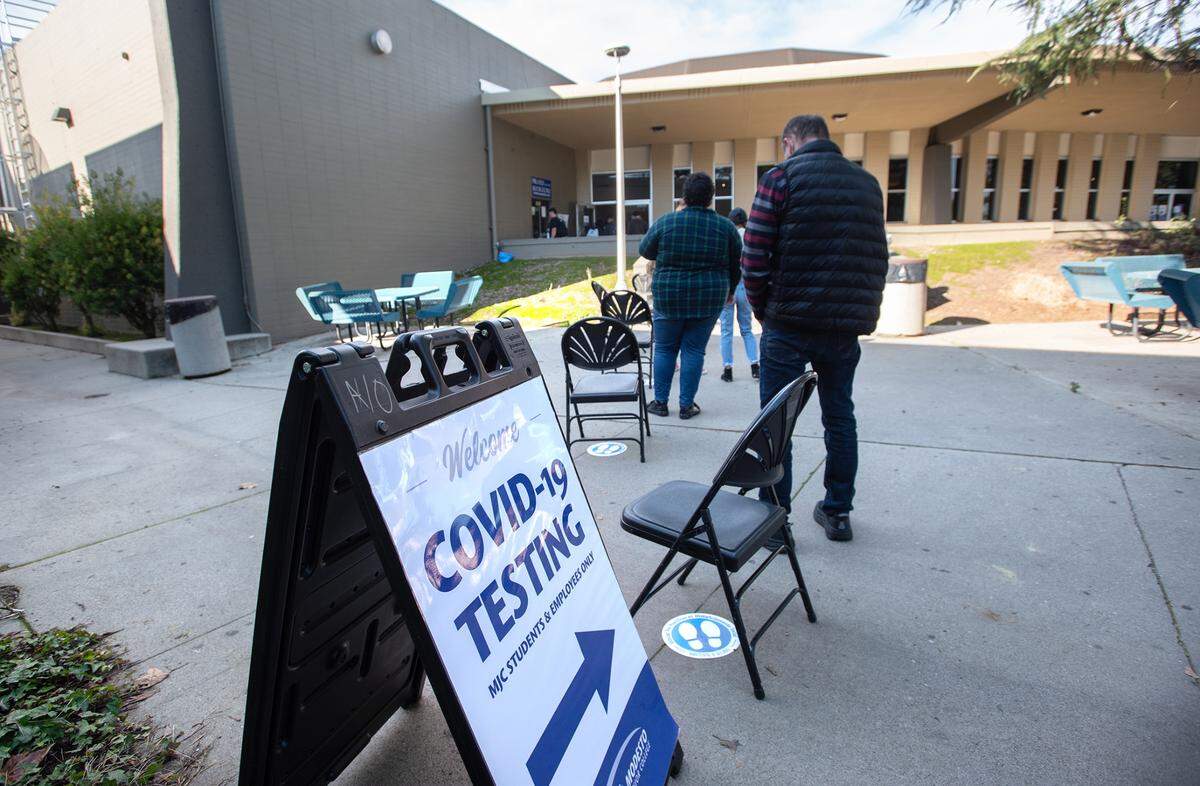
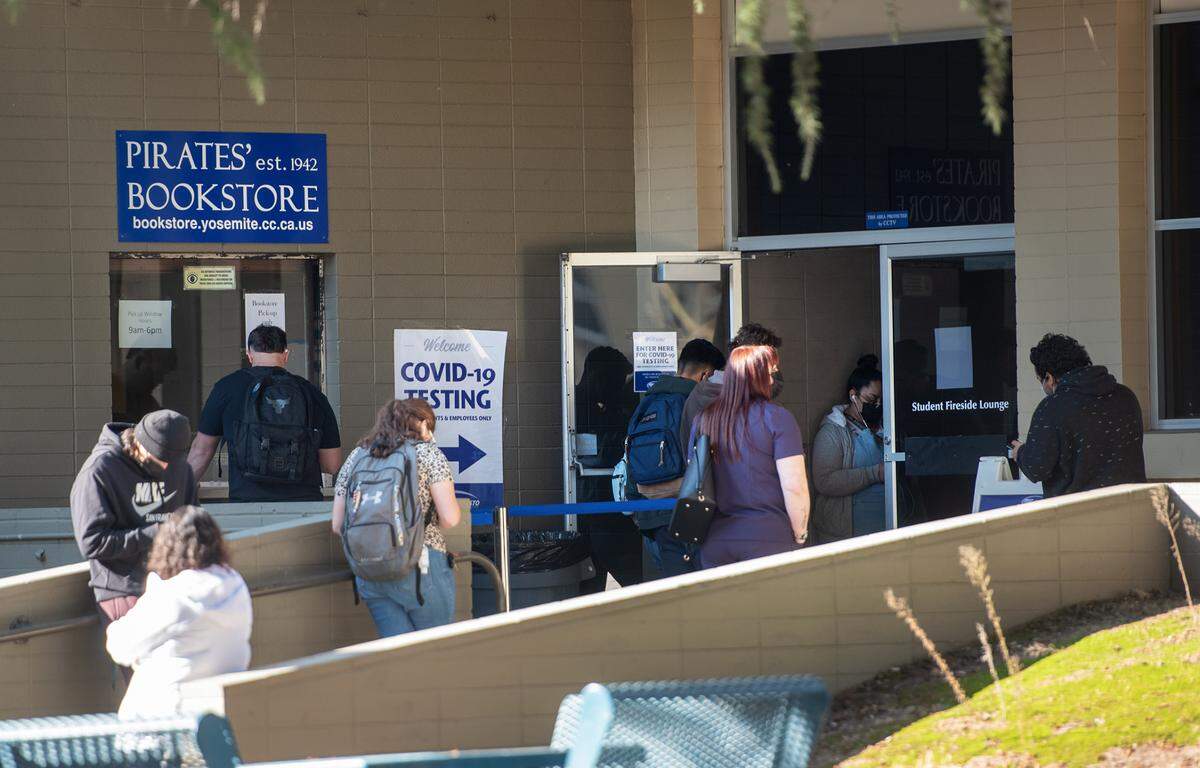
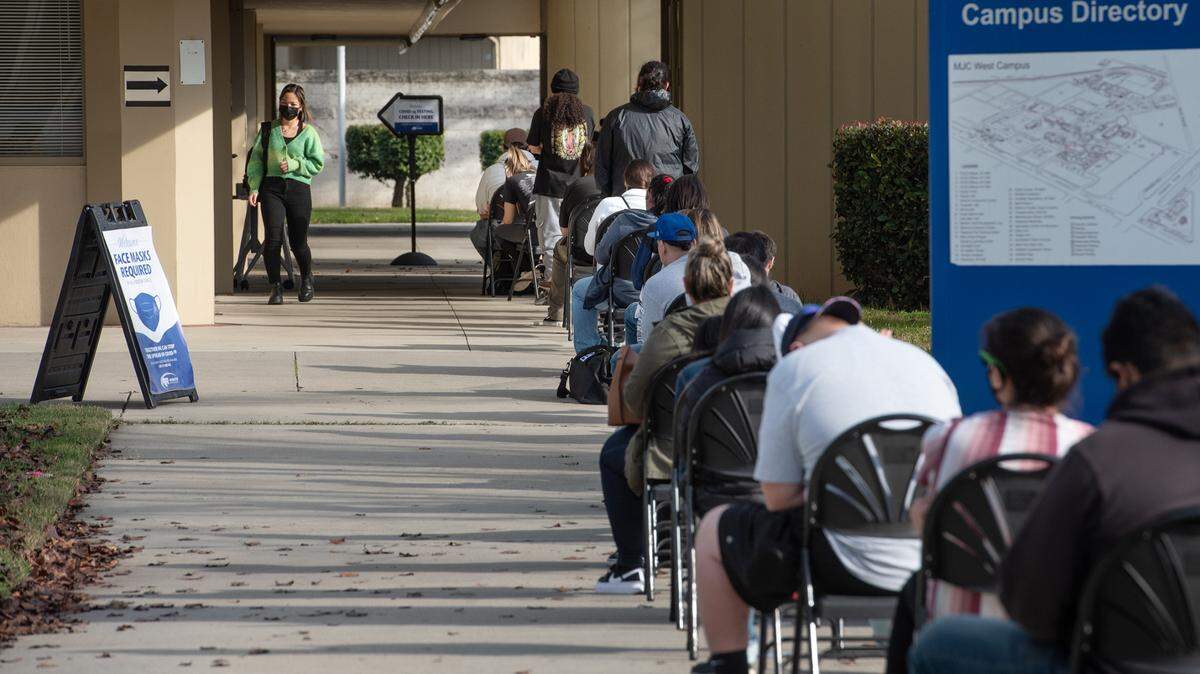
All students coming to campus must get tested at the start of the semester and after eight weeks. The college’s two testing sites for students, faculty, staff and administrators have had long lines this week, Bandyopadhyay said.
College officials are looking at expanding testing hours and adding locations to cut wait times, Bandyopadhyay said. While he acknowledged that going remote temporarily is an option amid the latest surge in cases, he said he’s “reluctant to do that.”
“We have taken a lot of effort to repopulate the campus,” he said. “That would be a step in the wrong direction.”
He said the college could go all online if the pandemic took a grave shape and health directives from local and state agencies rise, but that should be the “last course of action.”