‘We need to be students of our children.’ Tips on distance learning from home-schoolers
Parents thrust into home-schooling because of the coronavirus pandemic should remember that they’ve always been their kids’ teachers and are equipped to guide them through this new environment of distance learning.
That’s the bottom line of advice offered by experienced home-schoolers, who shared with The Bee their thoughts on motivating learners, taking education well beyond screen time, scheduling the school day, and more.
How much assigned schoolwork students will have during this final month and a half of the school year may come down to district, grade level and teacher. But veterans of home study say parents can use this as an opportunity to delve into their children’s interests and build learning around them.
“I would encourage parents to think beyond the box — not just outside it, but beyond it,” said Matthew Shipley, superintendent of Modesto’s Hart-Ransom Union School District, which includes Hart-Ransom Academic Charter School.
While parents should not ignore grade-level curriculum, “What schools can push out at this time will have its limits,” he said. Using his district’s elementary school as an example, he added, “We are not a fully developed distance-learning program, so teachers can’t keep up the same level of instruction, and they’re having to learn to translate.”
Parents will see that their children don’t need to spend the time on schoolwork that they would if still learning on campus, Shipley said. So ask, “What other learning pursuits can you engage in that may create lifelong memories?” he encouraged.
Learning is where you make it, said two home-schooling mothers, Susan Garza in the Hickman Community Charter District and Morgan Boone in the Hart-Ransom district. Games, for instance. “You can modify board games to use what you’re learning,” Boone said. Candyland can be played with sight-word cards, requiring a child to say the sight word in order to advance on the board, she said. Games for older children, like Life and Monopoly, incorporate money matters and critical thinking.
Education is going to look different from home to home, even from child to child within a home. And that’s fine, the educators say.
Setting a schedule
Students of teachers who are offering online learning opportunities at specific times still will have a schedule to follow, to some extent at least. Boone’s oldest child is a fifth-grader who’s just transitioned from home-schooling to attending Big Valley Christian School, and her teacher holds 10 a.m. Zoom meetings, for example. So her daughter knows she needs to be prepared to participate.
But even for students working just from study packets on paper or online, Shipley said he believes it’s important to stick to a schedule that includes bedtime and regular times to get up, eat breakfast and begin learning. Break the day into segments with goals to finish schoolwork by set times.
“For parents, that can be challenging — you’re trying to get lunch ready, you’re working from home and have work duties that are keeping you accountable,” he said. “It can be a challenge to remember to check in. Parents can set timers to remember to check in. That accountability is crucial.”
Most children probably will not do well without some schedule, Shipley said. “Use it as a starting point. Kids thrive on consistency, and we have to be the adults in the room and model that same discipline.”
Garza, whose five children range from a second-grader to a university sophomore, agreed it’s good to have a schedule but important to remain flexible. “I’ve been home-schooling for 20 years and can count on one hand the days the schedule went as planned.”
In her home, the kids always have been up early, hair done, clean, fed and ready to learn. She noticed that if the kids had any screen time prior to studying, it affected their levels of focus and engagement. “That is one thing I would definitely recommend: If you don’t start school first thing, avoid letting them have any screen time,” Garza said.
She added that she knows many other home-schooling families in which the kids will do their schoolwork in their pj’s all day, “and that works for them. Some kids work great without a schedule. It’s just important you know what works best for you and your children.”
And don’t get hung up on trying to fill the same hours as a traditional public school day. You might ask yourself, “How are we getting done so fast? We’re flying through this stuff,” Boone said. Take into account there are transition times between classes, there’s recess and there’s lunch.
Also, these last weeks of school include lots of testing and end-of-year activities, Garza said.
Remember, too, that in a classroom, teachers are doing their best to teach to dozens of children who learn in their own ways, she added. The more of her own children she had at home, the longer it took to get their formal lessons done, but with just a couple of them home-schooling, they’d be finished in a few hours.
“If children are reading every day, doing some math every day, writing every day ... parents shouldn’t be stressed over trying to fill a full school day,” she said.
Replacing recess
Shipley said he knows students who easily can “pound out” eight hours of schoolwork a day. But even if teachers were providing hours and hours of coursework opportunities, it’s important to break it into chunks, the superintendent said. Students need to “step away from intensive academic work and do something physical, or something interactive. I have seen more people out walking, running and riding bikes than ever before. It’s a great time to do physical education. ... It gets the blood flowing and aids the capacity of the mind to learn, adapt and process information.”
Garza agreed, saying, “My kids are athletes, and they’ve never been in as good a shape as they are now.” Her husband, Charly, is doing pitching workouts with son Seth, who’s a Hughson High senior and will be playing for Modesto Junior College next year. Second-grade son Calvin is learning to bat left-handed.
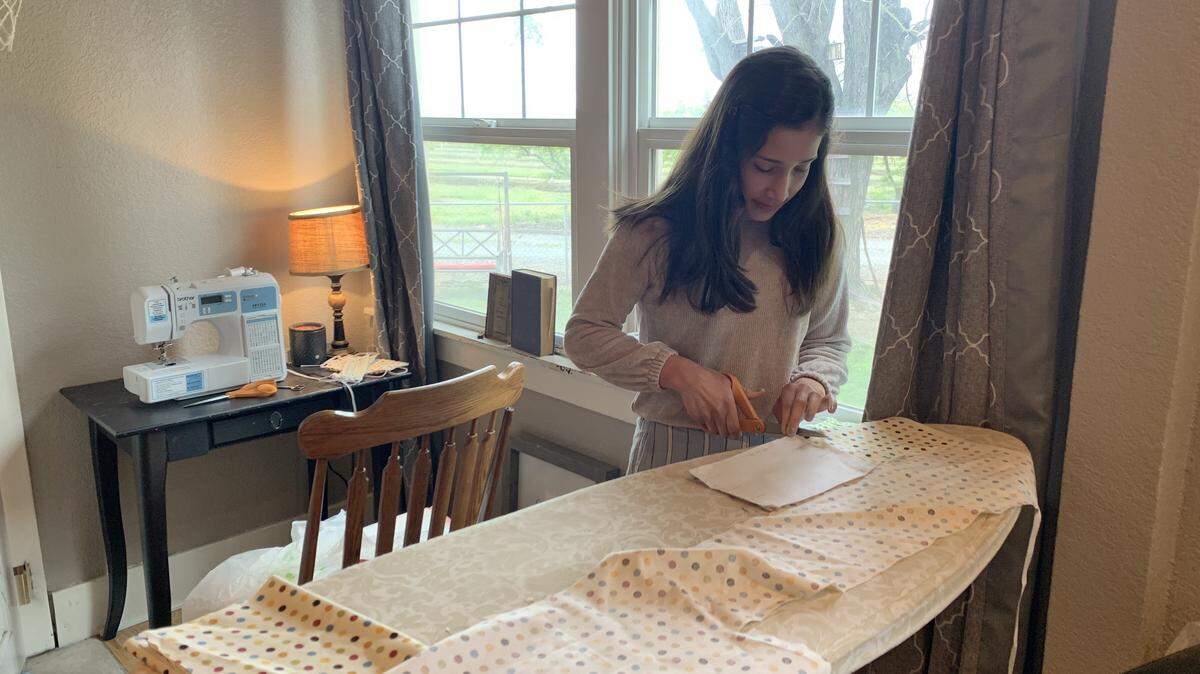
But breaks from academics don’t have to be athletic, and they certainly don’t mean learning stops. A friend’s kids are learning how to change car tires, Garza said. Her son Seth has replaced the screen door on a chicken house with a regular door. Eighth-grade daughter Olivia has been making cloth masks for health care workers.
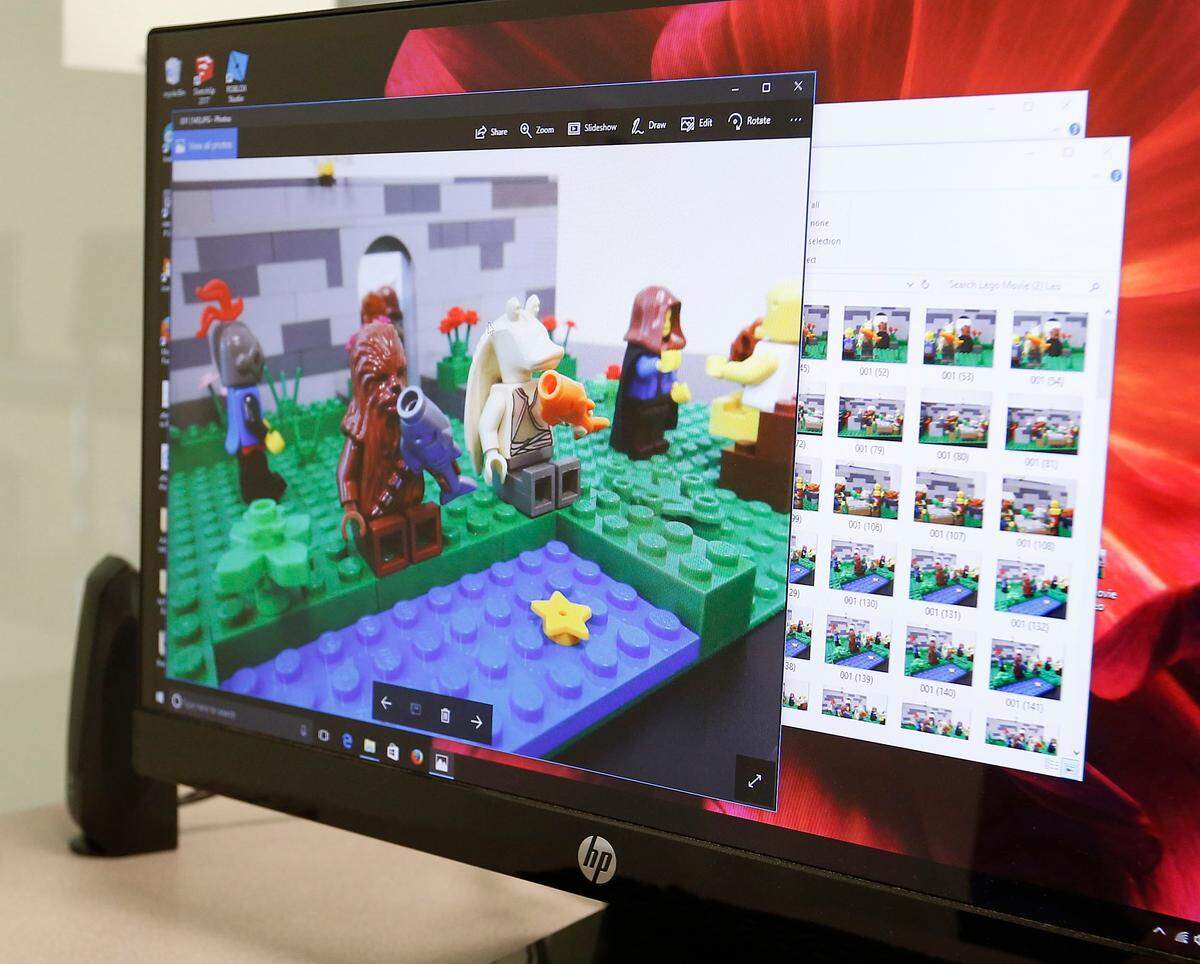
Boone, who has first- and third-grade children in addition to her fifth-grader, said her kids began making stop-motion videos using Lego figures and blocks. They found a free app that assists them in creating a story and sequencing it. Doing the work fits into goals of their reading curriculum, she said.
Baking is another great way of practicing reading, understanding the importance of following directions and learning about measures, Boone said. And for little ones, a fun way to learn the alphabet is to alphabetize bookshelves, she said.
Motivating your students
If a child’s primary motivation for doing well in school is to get good grades, and if that incentive is removed, it can be expected the child will lose interest, Shipley said. If that’s the case, parents will need to build another model to encourage learning. It’s important to remind students that what’s being taught now is preparing them for success next year, but that’s still a very utilitarian approach, he said.
The best approach is to model a love of learning themselves, he said. As superintendent of a district with 1,200 kids now studying at home, Shipley encourages parents to find areas of common interest with their kids and dive into them.
Say a student’s interest is popular music. The role of the parent is to form meaningful inquiry into the subject. “If you’re going to research, you have to define questions on what you want to learn. Let’s take a look at the the career paths, the finances,” he said. You might explore how money is made — music sales, concert tickets, merchandising, endorsements — and what cut the artist gets.
“We do need to give children a choice in their learning,” Shipley said. “That’s how they get fascinated.”
Support what your children’s teachers are sending home to be worked on, Boone advised, but be willing to look at things from a fresh perspective, too. Her son is “super into engineering” and wants to take everything apart, she said. So when he has a writing assignment, it’s on those topics. Her daughter, meanwhile, loves sea otters and takes every opportunity to make them the subject of her schoolwork.
Creating a study setting
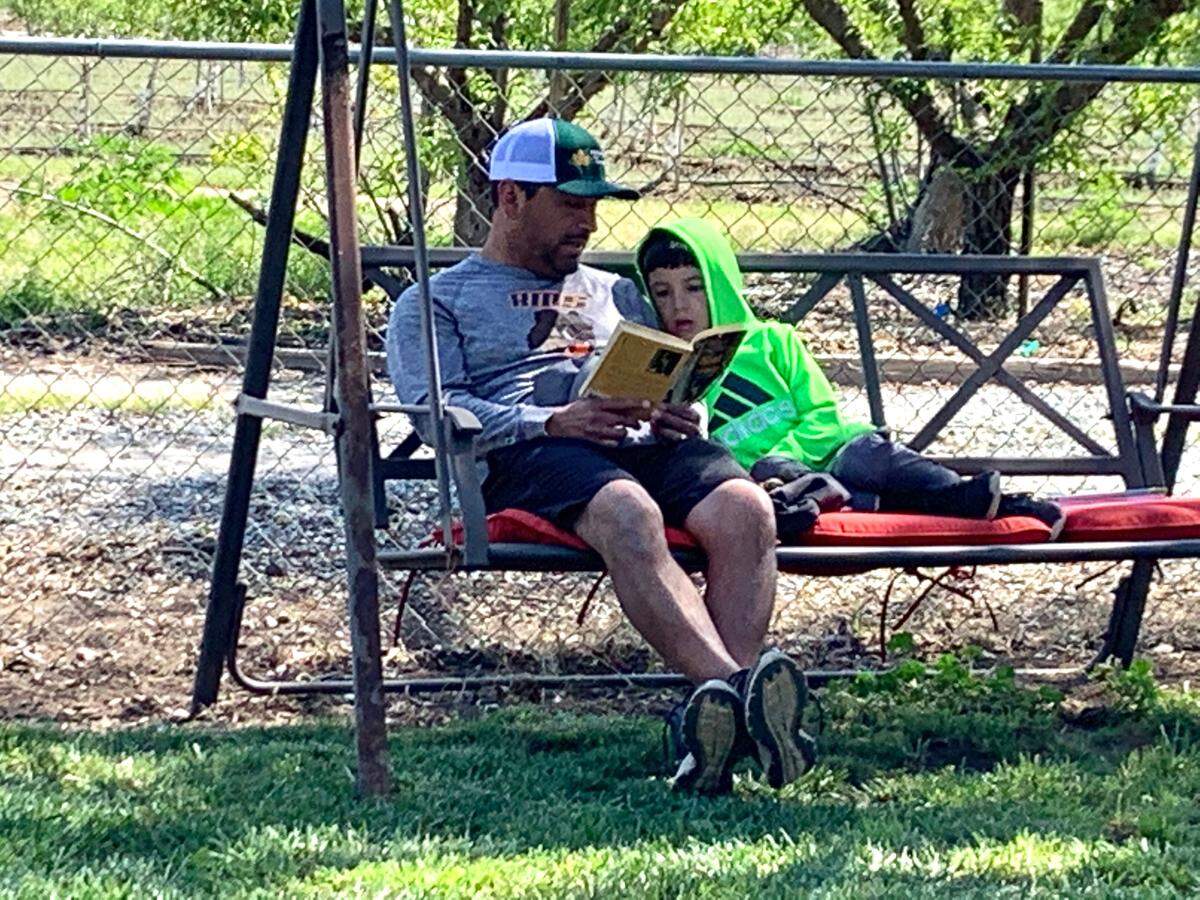
A desk in a quiet room, or some other designated study spot, might matter a lot to some children, and not at all to others. Her youngest is very active, regularly running out to play a bit, then returning to his schoolwork, which he does in various spots, Garza said.
“One of my kids loves having a desk set up,” Boone said, “but another just grabs a book and goes to the porch or the kitchen table.”
She does believe having a central location for home-schooling, a place for everyone to check in before going their own ways, is key, though.
Shipley said, “Some kids struggle when they’re isolated, while some can focus only when they’re alone. Really, as parents, we need to be students of our children. What are their ways of operating, their strengths, their weaknesses, and be creative in how you meet those needs.”
The main goal in education, not just now but all the time, is to ensure children enjoy learning, Garza said. And when home-schooling, if the parent isn’t enjoying it, chances are the child isn’t, either.
“Your relationship with your child is more important than the education itself,” she said to those trying to stay afloat in these uncharted waters. “Sometimes, you’ll need to call it a day and go for a walk, play soccer, read a book together, do an art project. Don’t be so driven in making sure subjects are done that it’s at the expense of your relationship with your child.”
This story was originally published April 14, 2020 at 2:15 PM.