DA urges public input as Turlock placement of sexually violent predator rethought
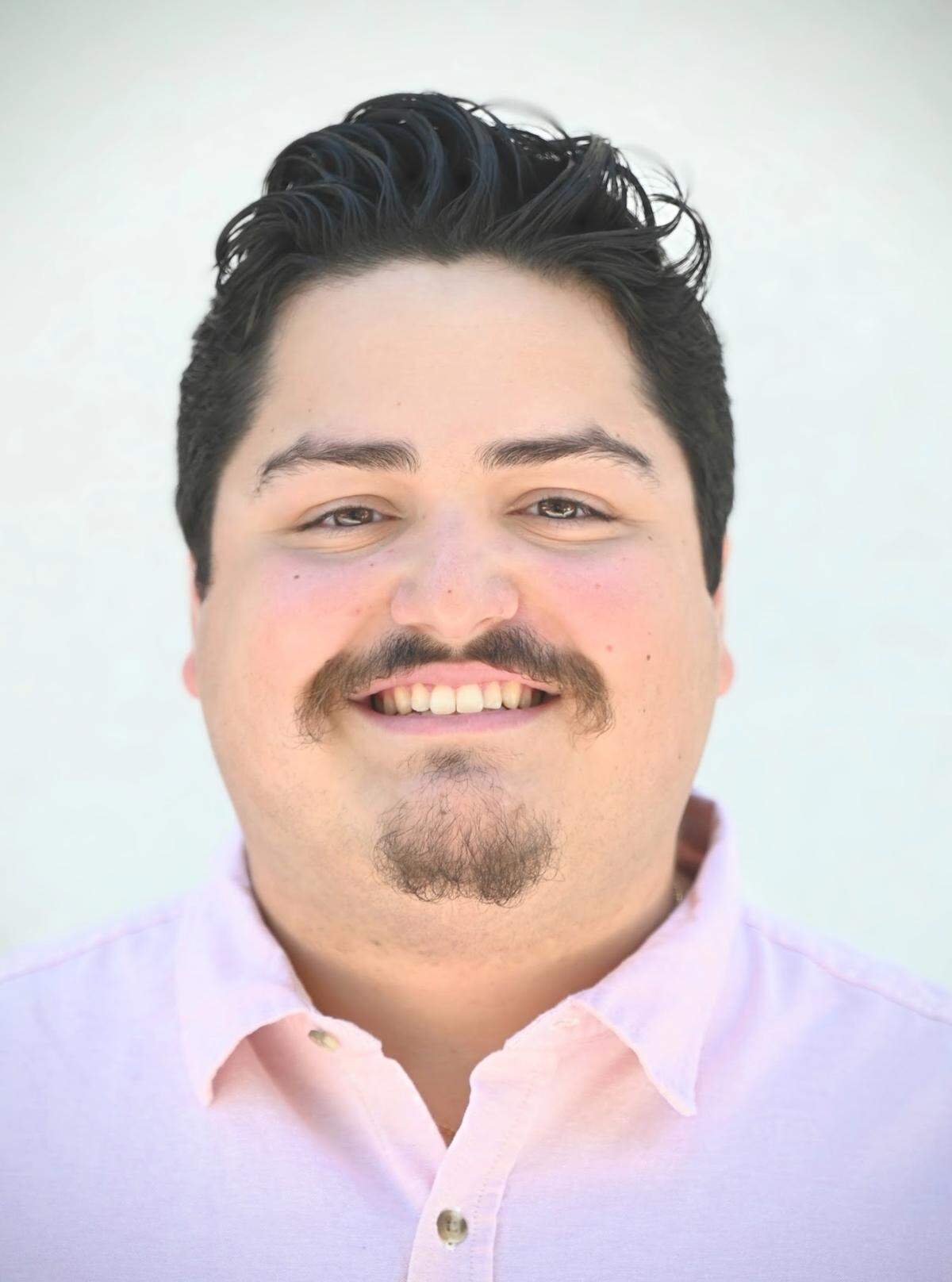
Stanislaus County officials are making a renewed push for public input after the state revived a plan to place sexually violent predator Kevin Gray in a rural Turlock neighborhood. It’s the same location a county judge previously rejected as unsafe.
In a coordinated video released Tuesday by the District Attorney’s Office, Sheriff’s Office and Turlock Police Department, leaders urged residents to submit public comments before a Dec. 19 deadline. Those comments will be compiled and presented to a judge ahead of a Jan. 16 placement hearing.
“We’ve been fighting against his placement for over a year,” District Attorney Jeff Laugero says in the video. “We won in local court, but the state overturned that decision. Now, the judge is asking for your voice, and we need you to speak up.”
Gray, 74, admitted to molesting 50 children and exposing himself to minors more than 1,000 times, according to court records and testimony presented during previous hearings.
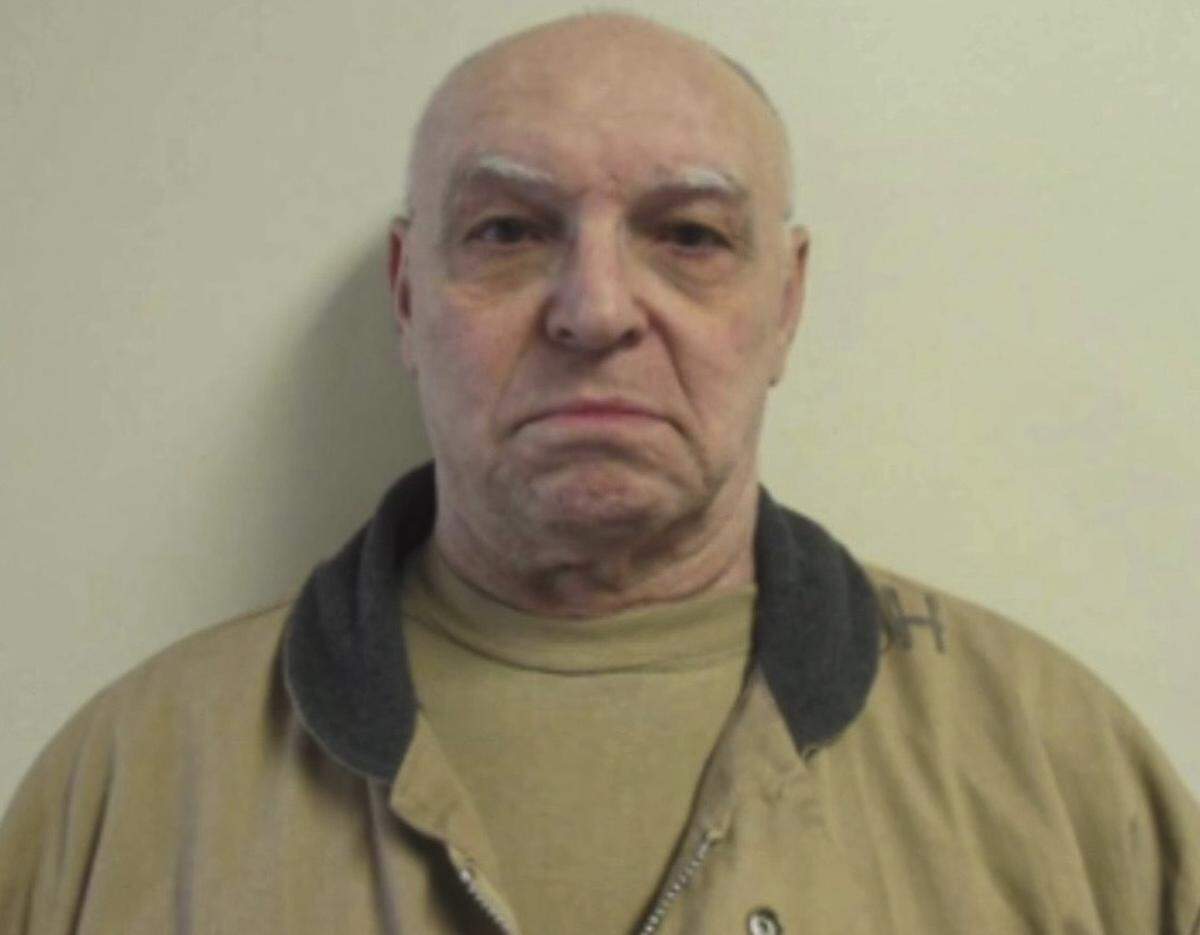
State reissues placement notice, triggering new review
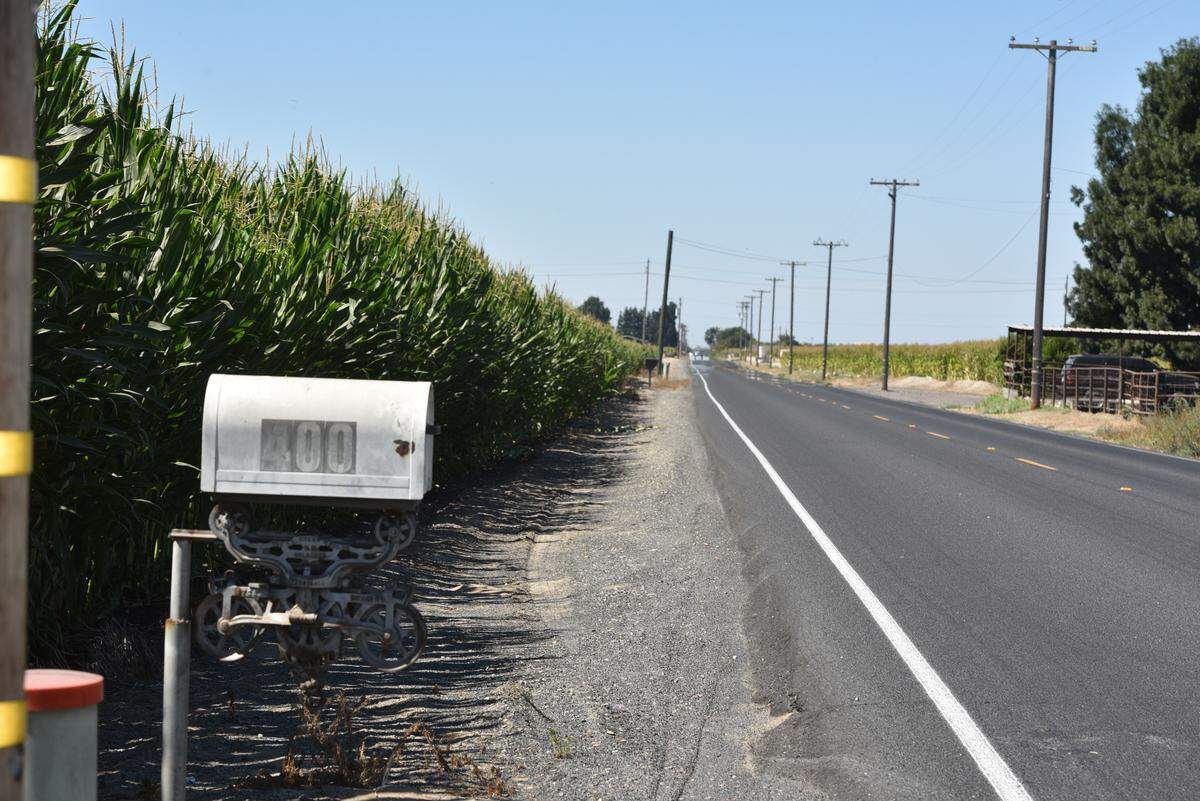
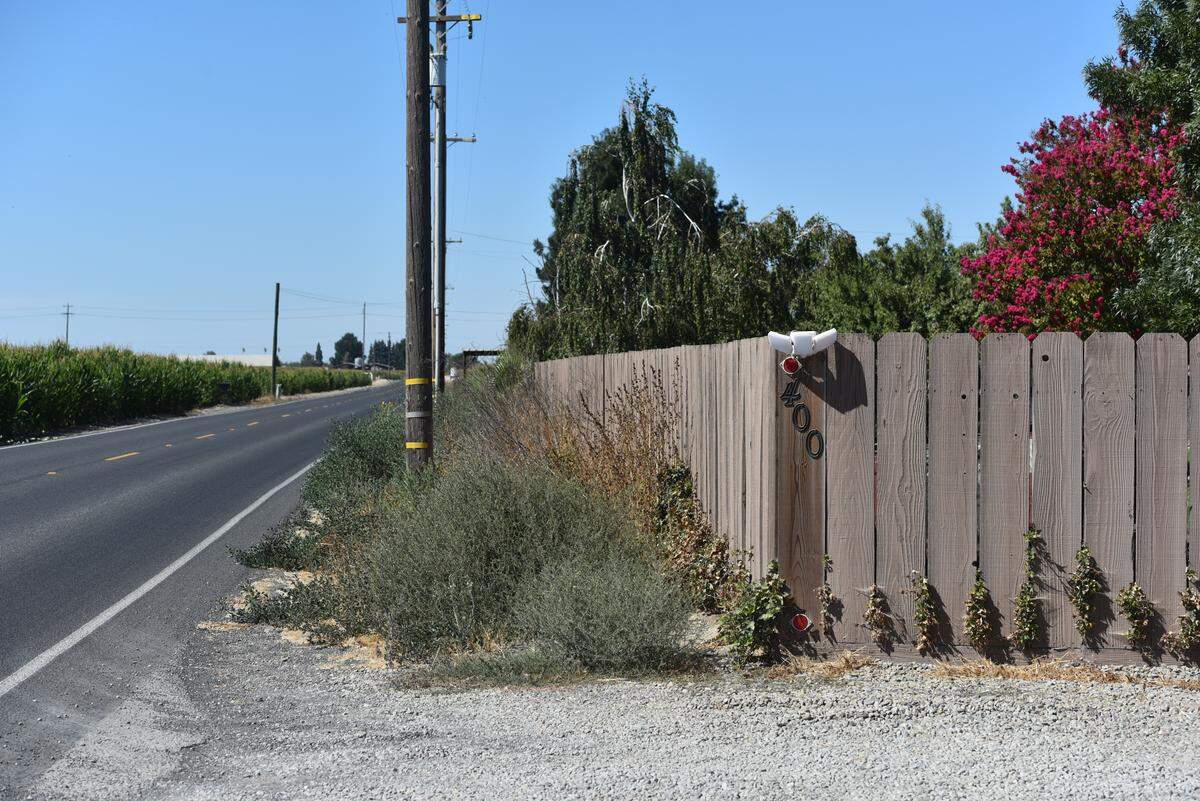
On Wednesday, Chief Deputy District Attorney Wendell Emerson said the Department of State Hospitals (DSH) formally notified the county it intends to move forward with placing Gray at 400 N. Central Ave. in Turlock — a rural property where multiple families live with young children.
That notice, he said, legally triggered a new 30-day public comment period required under California’s Sexually Violent Predator Act.
The judge “will review every public comment, along with our objections,” Emerson said. “The more comments we receive, the more weight that has with the court.”
The DA’s Office is asking residents to submit comments online at StanSVP.com, by email or by phone. Comments must be received by Dec. 19.
Six children live in neighboring houses
Emerson said the county’s strongest objection remains the presence of children who match Gray’s known victim profile.
“Under law, Liberty Healthcare is required to evaluate victim profiles when selecting housing,” he said. “There are six children living on either side of that house — children he would have direct line-of-sight to.”
Gray has a documented history of exposing himself to young children and has admitted a compulsion to do so, Emerson said.
“This is a type of offense where the risk doesn’t require physical contact,” Emerson said. “Exposing himself can be the crime.”
School superintendent: 38 children use nearby bus stops
Chatom Union School District Superintendent Cherise Olvera said neither Liberty Healthcare nor DSH contacted the district at any point during the site evaluation, despite multiple school bus stops operating near the home.
“There are 38 children who catch the bus within one mile of the proposed location,” Olvera said. “During parts of the year, pickups and drop-offs occur in darkness or heavy fog — conditions that decrease visibility and increase vulnerability.”
The rural area lacks sidewalks and streetlights, and many students walk home on narrow roads bordered by orchards, Olvera said.
“Students have the right to feel safe both at school and at home, and this placement threatens that right,” she said.
Olvera also noted Gray’s long record of alcohol-linked sexual behavior and the presence of a bar roughly 1,000 feet from the residence.
“This is unsafe and unfair,” she said. “Children should be able to play freely in their own yards.”
Neighbors say they’re exhausted — and fearful
Residents who live near the property say they are emotionally drained after more than a year of hearings, site visits and uncertainty.
“It’s exhausting,” said Ceres mother and community organizer Candace Gonsalves, who has helped lead protests and community meetings. “We already went through this once and a judge agreed this was not an appropriate site. Then the state overturned it, and here we are again.”
Gonsalves said families feel the placement would fundamentally alter daily life in the countryside. “Out here, kids ride their bikes through orchards, walk the canal banks to visit relatives — that’s how country kids get around,” she said. “All of that would have to stop.”
She said neighbors are frustrated by what they describe as Liberty Healthcare’s lack of communication.
“It’s beyond maddening that the company asking us to just trust them won’t even come talk to us in person,” she said. “If they believed their monitoring system worked, they’d explain it. But they’ve been silent.”
Gonsalves also worries the timing was intentional. “I truly believe the state pushed this through right before Christmas hoping moms would be too busy to fight it,” she said. “That only motivates us more.”
Contractor defers comment; state outlines general process
Liberty Healthcare, the contractor responsible for evaluating housing sites and supervising released sexually violent predators, or SVPs, declined to answer questions directly. It instead referred The Bee to the Department of State Hospitals.
In an email, DSH said patient privacy laws prohibit discussing individual cases but provided general information about the Sex Offender Commitment Program and the factors considered during housing assessments, including parks, schools, victim profiles, risk evaluations and Jessica’s Law restrictions.
DSH said that after release, an SVP is supervised through real-time GPS monitoring, unannounced home visits, surveillance, random drug test, and strict court-ordered conditions. Failure to comply may result in a return to custody.
DSH emphasized it does not place anyone until a court approves the location.
DA alleges major flaws in Liberty’s site assessment
Emerson said the county’s review of Liberty’s assessment found multiple inaccuracies or omissions, including:
- No contact with neighbors or the school district
- Underreporting of bus stops
- Misstating a bar as a “non-food establishment”
- Inaccurate response-time descriptions
- Heavy reliance on Google searches rather than in-person evaluation.
“They had someone in San Diego reviewing a rural Turlock location by looking up drive times online,” Emerson said. “That’s not a meaningful assessment.”
Residents urged to comment by Dec. 19
Sheriff Jeff Dirkse, in the agencies’ video message, warns the location places “dozens of young children at serious risk,” citing the school bus stop directly in front of a neighboring home.
“Kids would walk right past this predator’s house every single day,” Dirkse said. “Your voice has power.”
Turlock Police Chief Jason Hedden said community opposition last year “made a difference” and urged residents countywide — not just in rural Turlock — to submit comments.
Gray, he noted, would not be confined indoors and could travel throughout the county for basic errands.
“This is the moment where your comment can make the difference between protecting our kids and exposing them to a known predator,” Hedden said.
Where things stand now
Gray remains housed at Coalinga State Hospital while the court evaluates whether the Turlock site is appropriate.
If the judge rejects the location again, Liberty and DSH would need to restart the housing search in Stanislaus County — a process Emerson says can take months or years. Gray has been court-ordered for release into outpatient treatment for more than five years but has yet to be placed.
How to submit public comments
The public may submit comments until Dec. 19:
Website: StanSVP.com
Email: SVPinfo@stansheriff.com
Phone: 209-800-6506
All comments will be sent to the court ahead of the Jan. 16 placement hearing.