New report finds Modesto Police oversight system sound, offers areas for improvement
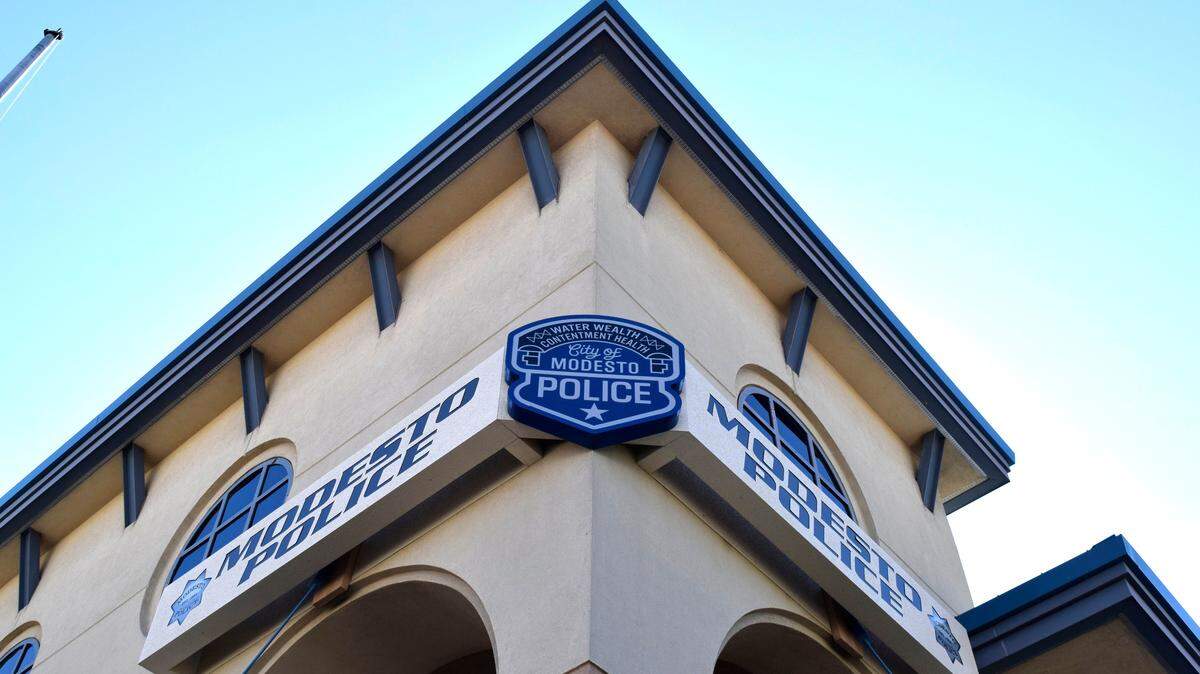
The second independent assessment of the Modesto Police Department’s oversight system largely praises MPD for its accountability and willingness to adopt reforms, though it also outlines several areas for improvement.
Compiled by the OIR Group, a Southern California-based law firm that specializes in police oversight, the report evaluates how the police department handled internal investigations throughout 2024.
Unlike the firm’s first review, which covered just the last half of 2023, this report spans an entire calendar year and reviews a sample of 28 cases involving misconduct allegations, public complaints and internal affairs investigations.
The independent police auditor’s role is to “bring a new level of transparency and accountability to the operations of the Modesto Police Department.”
“We can say with confidence that the fundamentals of MPD’s internal review mechanisms are sound,” the report reads. It adds that the department takes public complaints seriously and has established a formal process for investigating them.
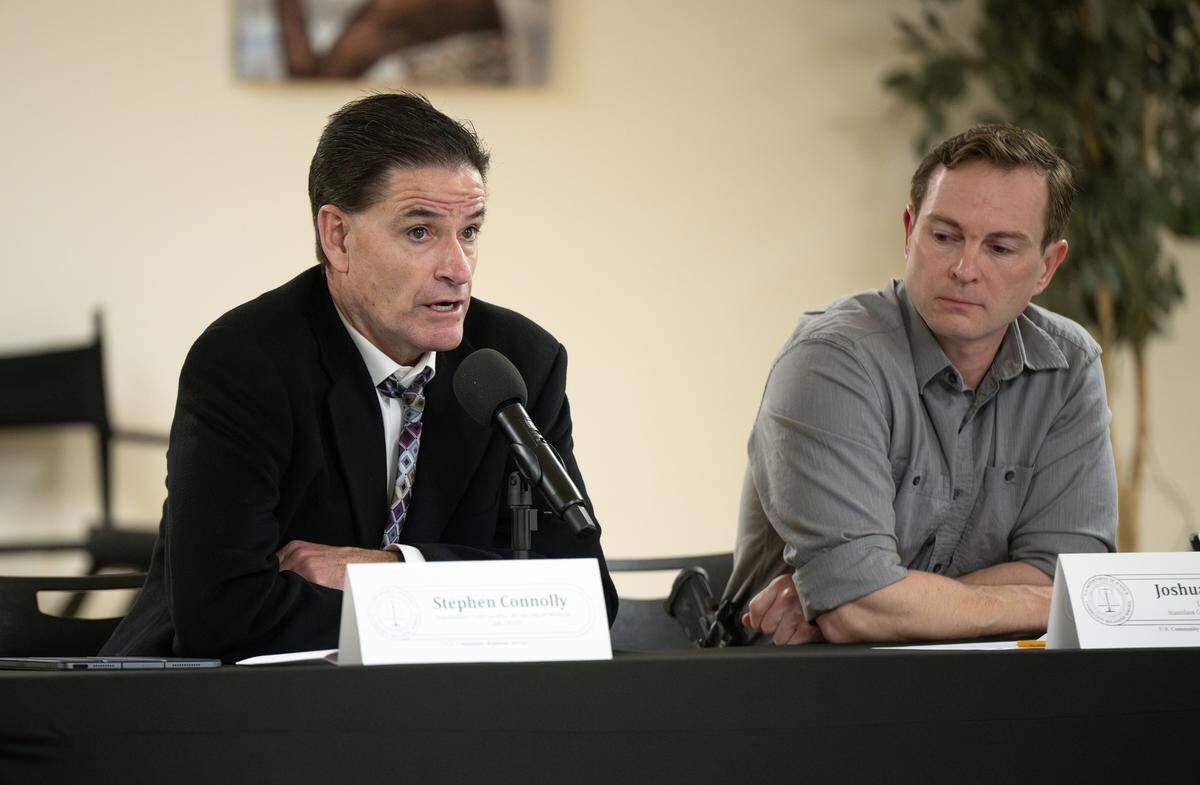
OIR principal Stephen Connolly presented the report to the Modesto Community Police Review Board on April 16.
“We make our report, we make our recommendations, and then it just doesn’t end up on a shelf somewhere thanks to your board’s engagement with it and the department’s willingness to engage,” Connolly said in his presentation.
He said the department took the initial recommendations seriously and implemented concrete policy and practice changes.
Reviews and recommendations
The report highlights MPD’s use of body-worn cameras and praises the creation of the Major Incident Review Team, which creates presentations after serious incidents to assess what occurred and determine whether any changes are needed.
Two officer-involved shootings — one in June 2023 and another in February 2024 — were reviewed in detail. In both cases, the suspects were armed and survived their injuries. The officers were found to have acted within department policy.
However, the report offers a recommendation regarding officer interviews following such incidents. Currently, MPD allows officers to delay their Internal Affairs interviews by at least a full day. OIR suggests requiring these interviews before the end of the officer’s shift to preserve the “investigative purity” of their accounts and reduce the risk of outside influence.
The report commends MPD for requiring officers to provide statements before viewing body camera footage, allowing them to review the footage afterward only to supplement their initial accounts.
While the department found no policy violations in the majority of complaint allegations reviewed, the report notes that some allegations were partially substantiated — even if the overall complaint was unfounded. For instance, some investigations revealed secondary issues such as delayed activation of body cameras or unprofessional comments from officers.
The report applauds MPD’s improvements in its complaint intake process, such as making it easier to file complaints in person or online and prioritizing follow-up interviews with complainants. Still, it recommends conducting those interviews more promptly.
When it came to allegations of biased policing, none were sustained within the sample cases. The report notes the difficulty in proving officer bias and suggests that many allegations reflected broader dissatisfaction with an encounter rather than clear evidence of discrimination.
Nonetheless, the report urges MPD to evaluate the value of pretextual stops — traffic stops used as a reason to investigate unrelated suspicions — given their potential to erode community trust.
Pretext stops are legal, but Connolly said “there are some communities where that has been a friction point, and there’s a concern that that is not done in an evenhanded way.”
To further address concerns about bias, the report recommends analyzing patterns in officer stops and arrests and considering additional strategies to assess bias.
Regarding use of force, OIR generally agreed with MPD’s conclusions in reviewed cases, even though the auditor expressed “hesitations at the edges” of some analyses. None of the reviewed cases appeared to show demographic bias, the report said.
However, the report identifies several shortcomings in the department’s handling of force incidents. These included interview questions that assumed wrongdoing by subjects rather than maintaining an objective tone, as well as ineffective Taser use, lack of warning before deploying Tasers, and delays in activating body cameras.
In some cases, officers failed to unmute body-worn recorders. Additionally, there were concerns raised about the use and efficacy of police dogs — including one case where a dog continued biting a subject after being ordered to release.
The report concludes by encouraging MPD to improve its documentation of deescalation efforts during force incidents and to continue refining its internal practices.
“The basic impression that I have and that the report is meant to convey is that these processes, while there’s always room for improvement, the department absolutely takes these things seriously,” Connolly said.
This story was originally published April 22, 2025 at 4:55 PM.