A cannabis tax will be on Stanislaus County’s November ballot. Here’s what it would mean.
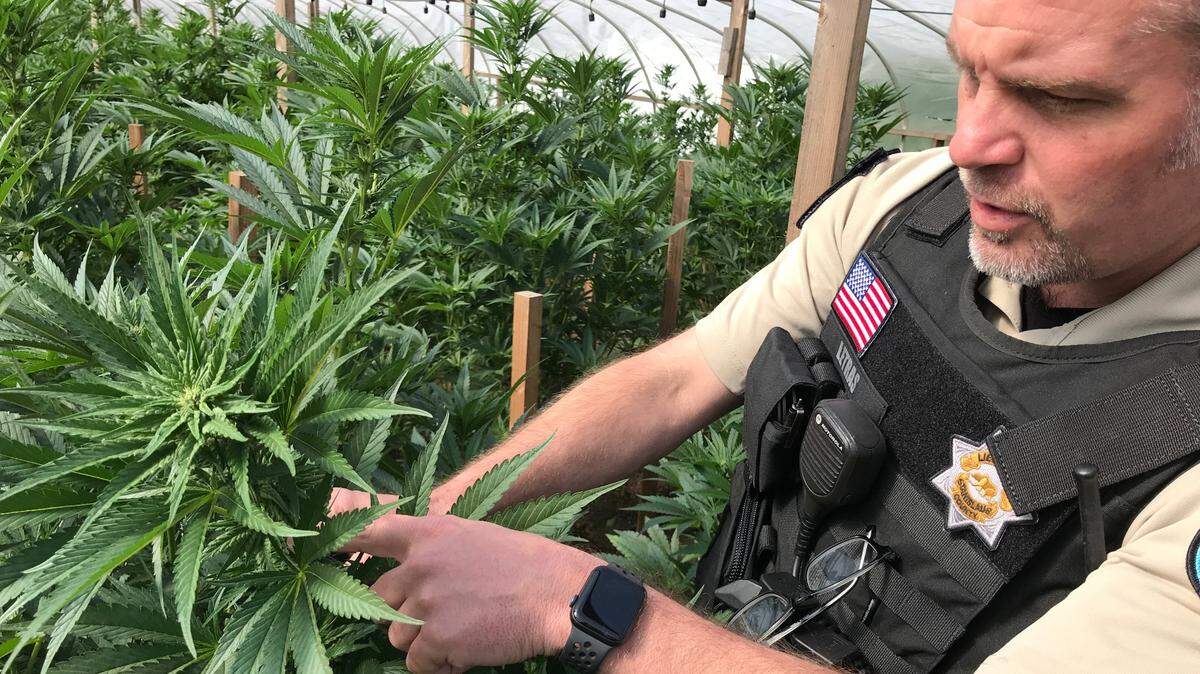
Voters in Stanislaus County will decide on a cannabis tax in November that would apply to licensed businesses in unincorporated areas.
If approved by a simple majority, the county would collect up to an 8% tax on gross retail sales of cannabis. The tax could be set between 1% and 4% for cultivation, or $1 to $8 per square foot, whichever is higher. Other rates would 1% to 4% for manufacturing, distribution and testing.
The measure would enable the county to adjust the tax rates every year, but increases would be no more than a half percent annually.
The county tax measure would replace development agreements that have imposed annual fees on legal dispensaries and other commercial businesses that owners said they can’t afford. The county taxes would be comparable to taxes on dispensaries in Modesto.
County supervisors voted 4-1 to place the measure on the ballot in November. County Supervisor Terry Withrow, who voted “no,” has said the county has wasted staff time and resources complying with the responsibilities placed on counties by Proposition 64, the state’s legalization initiative.
Businesses competing with illegal operations
There are 16 active development agreements with cannabis businesses in county-governed areas that struggle to compete with illegal growers charging lower prices to customers.
The cannabis tax measure would generate an estimated $1.7 million to $2 million annually. That won’t cover a $4.4 million county cannabis program budget that includes inspections, code enforcement, planning, Sheriff’s Department raids on illegal grows and prosecutions.
County officials said the annual cannabis budget will be adjusted downward. About $3 million of the budget is Sheriff’s Department costs. The county had projected $2.4 million in cannabis fee revenue from development agreements this year.
In the ballot measure, the dollar figures on square-footage of cultivation came from discussions with the cannabis industry, but the square-footage tax can also be assessed to illegal grows by measuring the canopy during a raid. The county has said the tax measure will apply to illegal marijuana operations as a way to recover enforcement costs.
County efforts to stamp out illegal marijuana grows in neighborhoods have been hindered by Proposition 64, which took away felony charges for large-scale cultivation.