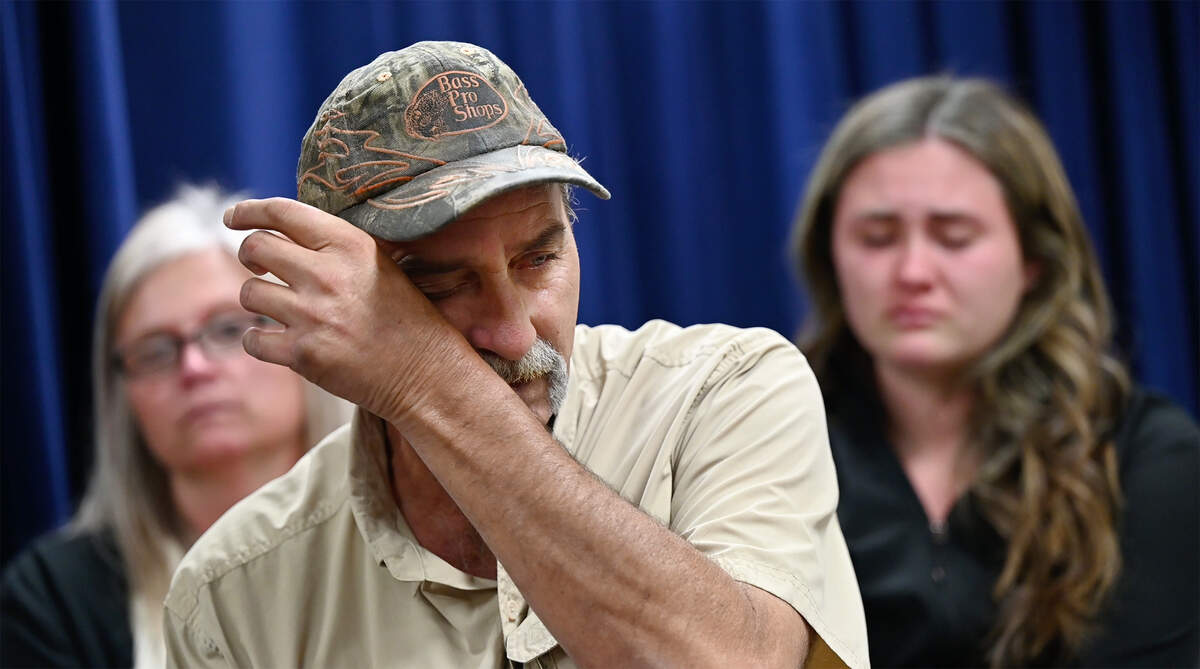
‘That’s not justice’: Decades after Ranzo murders, family must keep fighting parole
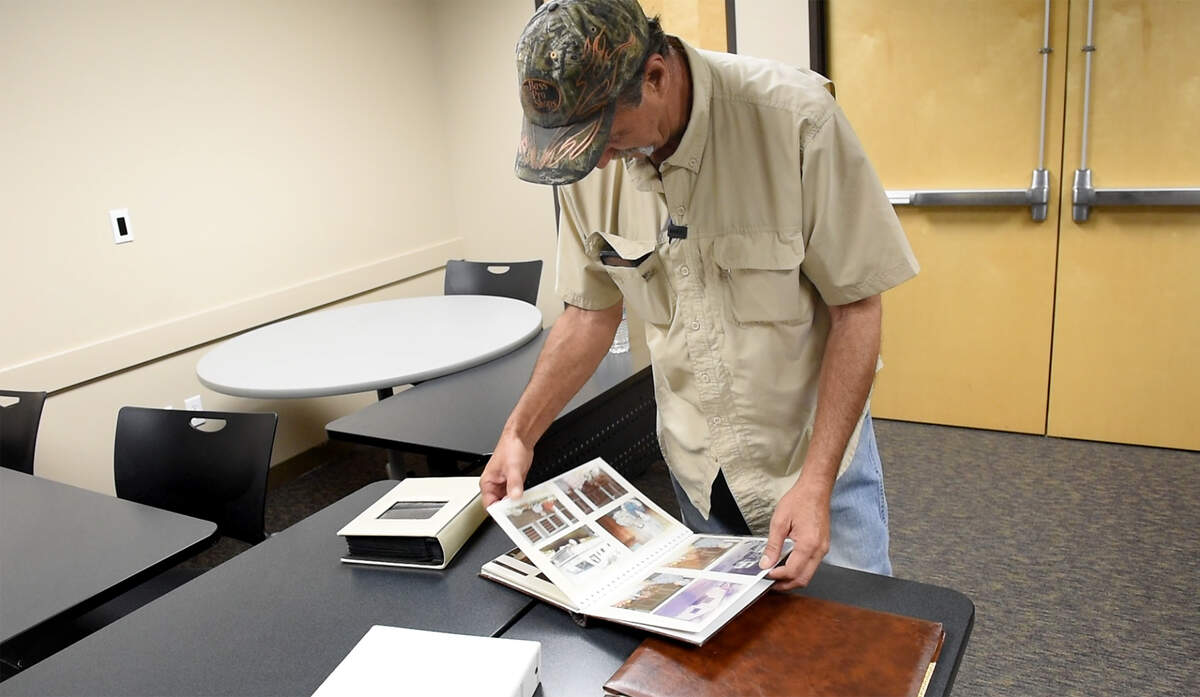
Flipping through the old photo album is at once familiar and foreign to Mark Ranzo.
He knows the pictures, points them out as he goes — school portraits, vacations from his youth, notes from family members — but the memories themselves don’t exist. Even the photos he’s in feel like they belong to a different world.
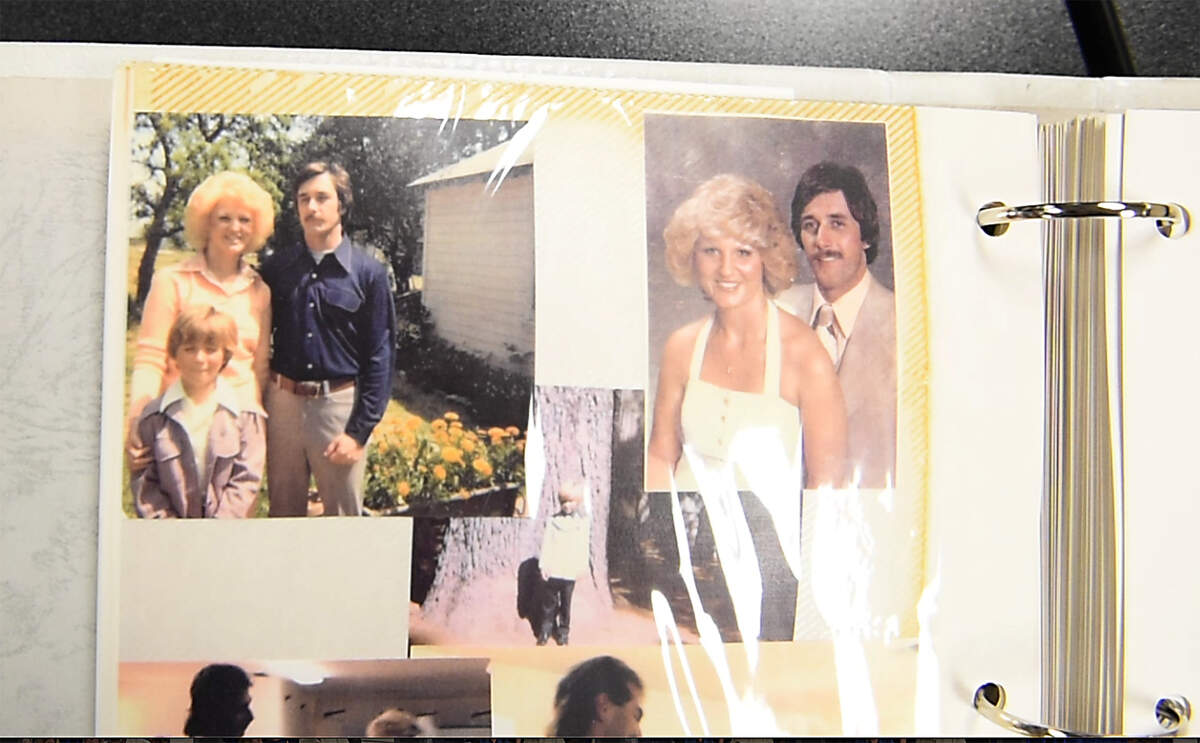
The album shows Ranzo what life was like before June 25, 1979, the night his parents were tortured and murdered in their Modesto home. Kathy and Phillip Ranzo left behind 10-year-old Mark, who happened to be spending the night at his grandparents’ home when the crime was committed.
In his grief, Ranzo’s memories of his parents vanished into the void their deaths left in his life.
Most of the funerals and trials are blocked out of his mind, but so are the days spent in a loving home with his pharmacist father and beauty shop owner mother.
Despite the years spent trying to come to terms with how his parents’ deaths affected his life, Ranzo has never been able to fully close the wounds.
“We have to continually open the wound and keep going to these Parole Board hearings because somebody changed their mind and decided to give them the opportunity to get out of prison,” Ranzo said. “And that’s not justice.”
All four convicted in the murders — Ronald Ray Anderson, Marty Spears (aka Marty Jackson), Jeffrey Maria and Darren Lee — were sentenced to life without parole. But because they were teens at the time, they qualified for “youthful offender” laws that passed in the years since.
Ranzo, now 53, and/or other family members have attended about 30 parole hearings for the four men, arguing against their releases on a painfully regular basis.
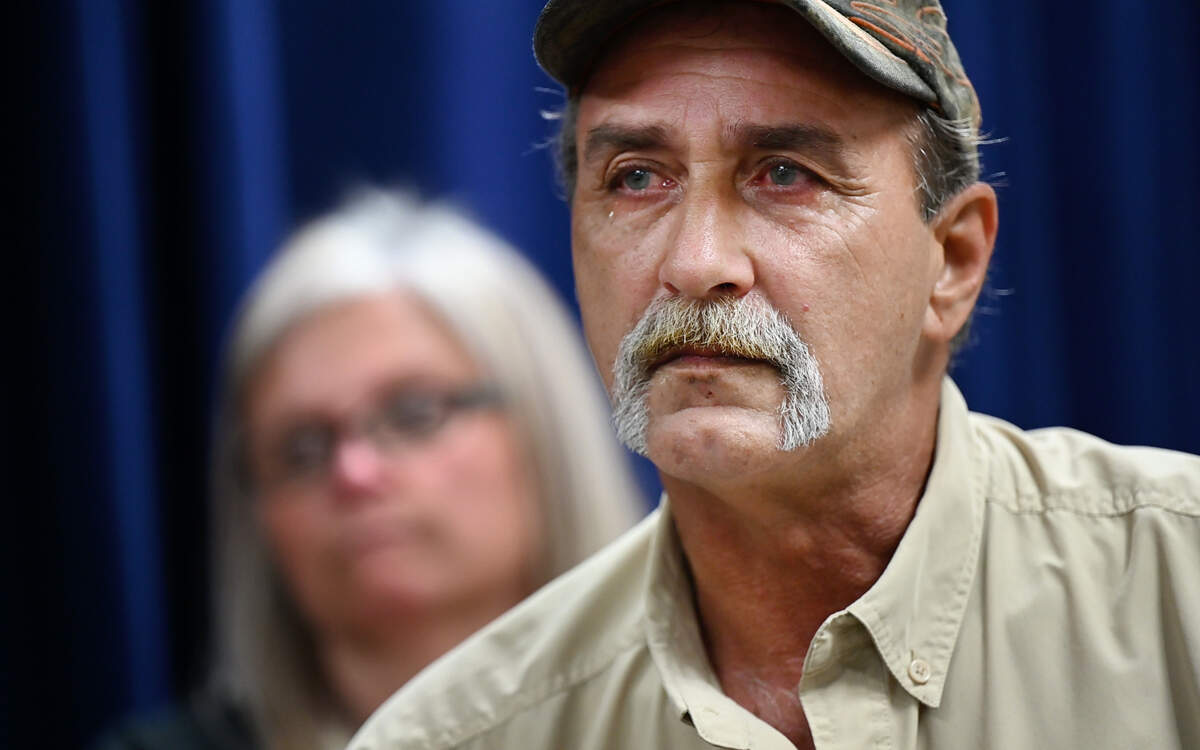
He’s always had one requirement that must be met before he’d accept any of them being granted parole: “They could let them (out) the day I could leave with my parents.”
The never-ending fight
The family’s latest parole fight is against Ronald Ray Anderson, the getaway driver that June night. Anderson was found suitable for parole during a Dec. 28 hearing, qualifying under “youthful offender” and “elderly parole” laws.
The State Board of Parole Hearings’ decision has gone to the Decision Review Unit, which has 120 days to consider the grant of parole.
If approved, the grant of parole goes to Gov. Gavin Newsom, who then within 30 days could decide to reverse the decision, said Amy Neumann, special prosecutor with the Stanislaus County DA’s Office.
Hoping to reach the governor’s ear before the end of that period, the Ranzos gathered Friday at the District Attorney’s Office in downtown Modesto for interviews with The Modesto Bee on how the crime has affected their lives and the fear they have of any of the men being back in society.
The DA’s Office sent letters to the governor from people including county Supervisor Buck Condit and Leonard Luna, a man who survived an earlier attack from the same group of boys, and others who have reached out to the governor’s office on their own. Members of the Ranzo family and the man who found Kathy and Phillip’s bodies also wanted to speak about the ordeal.
Mark Ranzo, his wife and 22-year-old daughter, Dani, brought old photo albums and other keepsakes Ranzo has kept over the years to the conference. They also included 28-year-old daughter Kathy — named after her grandmother — via video call from her home in another state.
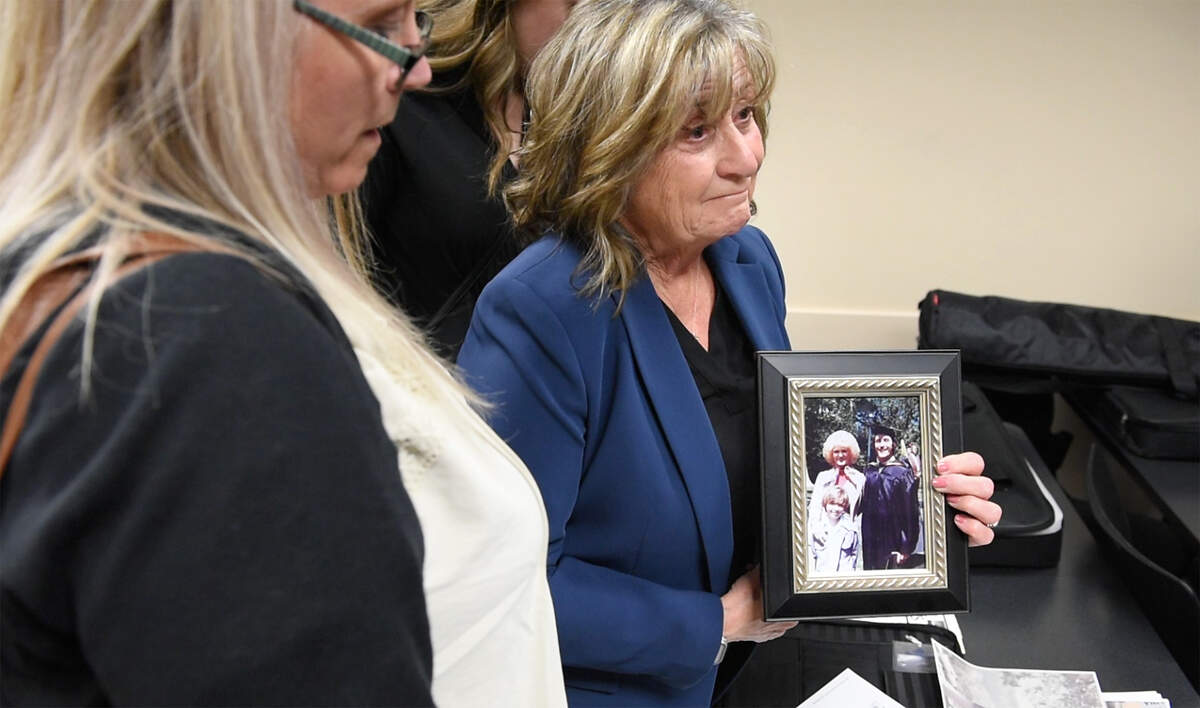
Sandy Ranzo-Howell, Phillip Ranzo’s sister, printed copies of photos and passed them around to the other people in the room. She chatted with her nephew and DA’s Office staff about the memories they contained.
For the first time in 40 years, Mark Ranzo was able to meet the man who found his parents’ bodies the morning after their deaths. Jim Blomquist took a long look at Ranzo once the two were in the room, noticing how much the son looked like his father, both facially and in his towering 6-foot-plus height.
Blomquist, 83, managed the pharmacy where Phillip Ranzo worked and went to check on the couple after Phillip didn’t answer his pager and Kathy didn’t show up to her salon.
“When he didn’t show, it just wasn’t right,” Blomquist told Mark Ranzo.
‘The lies he continues to tell’
Blomquist still remembers walking into the brutal scene and the shock of finding the Ranzos’ tortured bodies.
In the days, months and years after Blomquist ran to a neighbor’s house to call police, details emerged about how this could happen to a couple he saw as “ideal.”
Anderson plotted the crime alongside Spears, Maria and Lee. The group believed large amounts of cash were being kept inside the home and planned to rob it.
Anderson drove by the home as many as five times, and then acted as a lookout and getaway driver as the other three knocked on the door and pretended to be out of gas.
The teens brought weapons and rope with them and said they planned to kill the Ranzos during the robbery.
Prosecutors said Phillip Ranzo was tied up in the garage, and Spears struck him at least six times before fatally stabbing him in the neck. The bat that was used in the beating, Mark Ranzo said, was one he’d played with earlier that very afternoon.
Kathy Ranzo was taken to a bedroom, where Spears beat her with an ax and raped her before stabbing her to death, prosecutors said. She also suffered a fatal stab wound and had cuts indicating she’d been tortured.
Maria and Lee came out of the house about 20 minutes after they entered, carrying envelopes of jewelry and cash. Anderson said at a parole hearing that he believed the two had witnessed the murders, but he never tried to call police or get help for the Ranzos.
Instead, he returned to the house, picked Spears up and possibly went inside to view the murder scene.
While petitioning to have his conviction overturned using a state law enacted in 2018, Anderson said he didn’t enter the house that night. The law narrowed the scope of who could be convicted of felony murder when multiple people are involved in the crime.
However, Alameda County Superior Court Judge Morris Jacobson upheld the conviction, saying he didn’t believe Anderson stayed outside. According to a witness during the trial, Anderson described how “gross” the house was following the murders. There is also a period of about 60 to 90 minutes that Anderson can’t account for, Jacobson said.
“That’s a really important point we try to convey to the governor: the lies he continues to tell,” Ranzo-Howell said.
Three of the men have been granted parole in the past, but all decisions were overturned. Lee was most recently denied parole in June 2020.
Anderson’s parole was denied nine times until he was found suitable in 2017, but then-Gov. Jerry Brown overturned the decision. At this past December hearing, the State Board of Parole once again determined he was suitable and would not be a threat to society.
Anderson remains at the Correctional Training Facility in Soledad while the parole decision is pending.
Generations of pain
For Mark Ranzo, any parole opportunity for these men would minimize the pain they inflicted on his parents and the rest of his family.
Ranzo slept on the floor for years after the murders and would wake up screaming in the middle of the night. Though he loved his grandparents and was grateful they took him in, he always knew it wasn’t the same as if he’d had his parents there with him.
“They did everything in the world for me, but there was still that age gap, things that we didn’t do together as a mom and a son, a dad and a son,” Ranzo said.
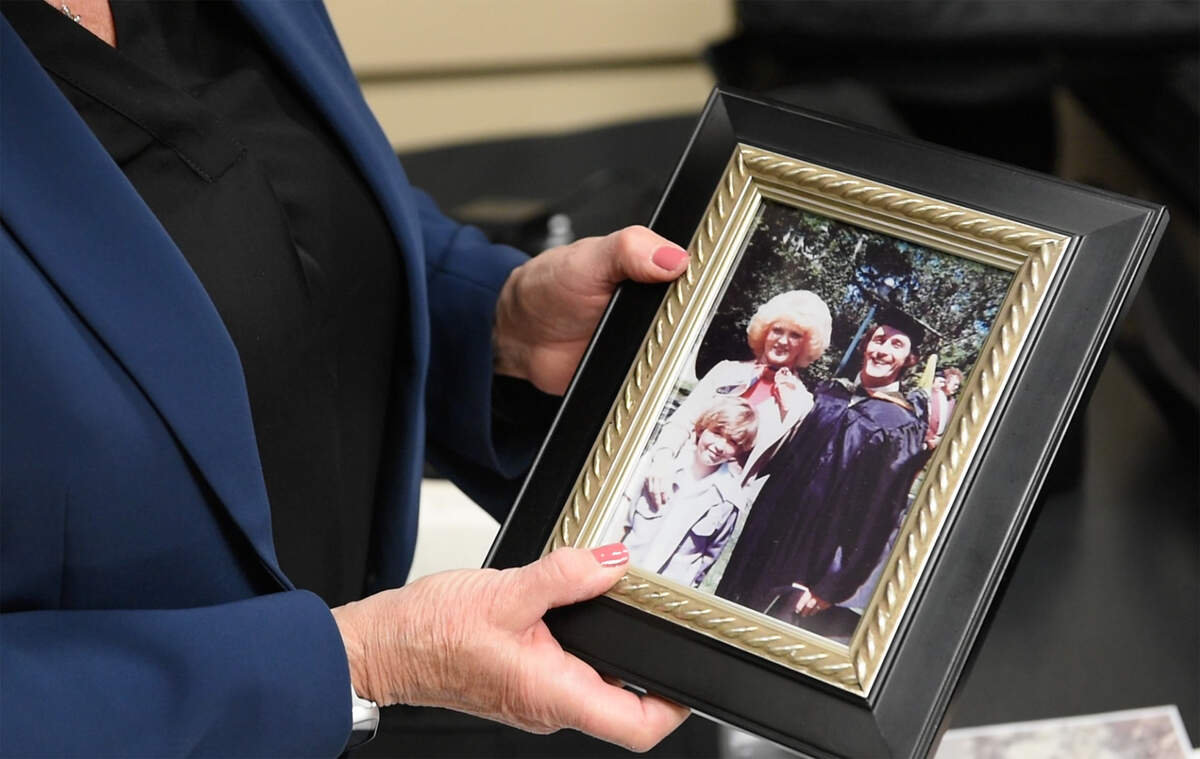
Through tears, Dani Ranzo said knowing her grandparents’ lives were taken long before she was born has left her with feelings she finds hard to explain. “You just hear stories about what was taken from my dad and how great my grandparents were,” she said. “It’s tough not being able to ever know them.”
Ranzo-Howell said the trauma of Phillip and Kathy Ranzo’s deaths has broken generations of her family. Her father had to be peeled off her brother’s casket. Her mother, suffering from Alzheimer’s disease at the end of her life, remembered little else except for the fact that four men killed her son.
When these men petition for their parole and a second chance at life, Ranzo-Howell knows her family doesn’t have the luxury of asking to try again. “We have to live with the choices they make,” she said.
As he grew up, Mark Ranzo began fighting and drinking because of how hurt he was. But slowly, he realized causing other people pain wouldn’t help how he felt.
Anderson has spoken during parole board hearings about his rough childhood leading him to crime, and Mark Ranzo said this is an insult after he helped rip two parents away from a child.
“Justice doesn’t allow him to get a second chance,” Ranzo said.