Modesto cops see rise in vehicle burglaries — because thieves see easy opportunities
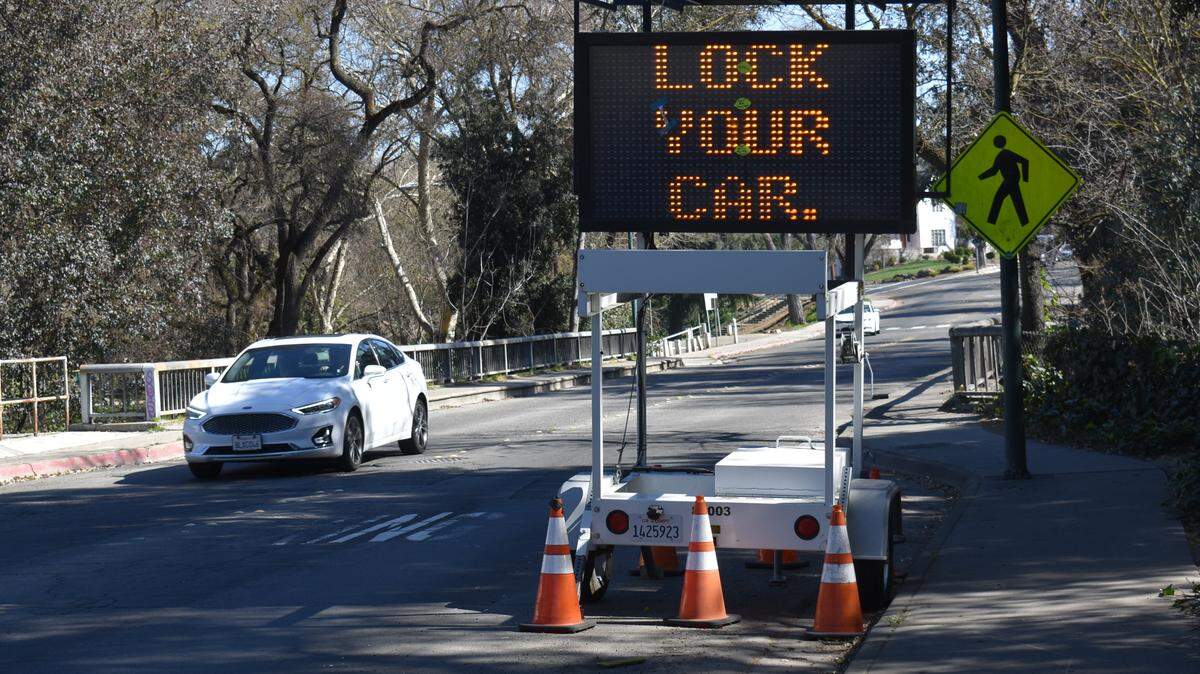
The Modesto Police Department finds itself having to remind people to do a few things that seem right out of Crime Prevention for Dummies: Don’t leave valuables in your vehicle. If you must leave them, at least put them out of sight.
And lock the doors.
In 2019, the department took reports on 2,218 larceny reports involving vehicles, which included thefts from unlocked vehicles, actual break-ins, and theft of parts, such as catalytic converters, said MPD spokeswoman Sharon Bear. Toyota Priuses have proven an especially popular target for converter theft, she added.
No part of the city seems exempt, she said, but lately, officers have seen an increase along main corridors of town, including McHenry Avenue, Oakdale Road, Prescott Road and Briggsmore Avenue. The reports show that what’s trending are thefts from vehicles in concentrated commercial areas like shopping centers and gyms, Bear said. “They run in for a workout and leave backpacks and other stuff in their vehicles because they don’t want to use the lockers.”
The thefts in commercial areas tend to be break-ins because vehicles are locked, while in residential areas, they’ve been more from unlocked cars, she said. Either way, the uptick has been slight, but if it continues, it could add up to a bad year, Bear said. “We’ve had a couple of weeks where we can bring it down, but then it spikes again.”
To combat the property crimes, the department has been deploying cadets and extra VIPS (Volunteers in Police Service) to patrol parking lots and leave courtesy notices on windshields when they see things like windows left down or valuables left in plain sight. It’s posted reminders on social media and deployed a lighted warning sign to roadsides like McHenry in front of the Target store.
The department also is researching whether upticks coincide with the release of “prolific offenders” from jail, Bear said. And sworn officers are getting some of the training that community service officers receive, such as on collecting fingerprints and other evidence, as well as identifying areas of a crime scene where evidence is most likely to be found.
Thefts from unlocked vehicles can be more of an investigative challenge than in cases where the point of break-in is clear, Bear said. If officers can’t tell which vehicle door a thief used to gain access, it’s unlikely they’re going to be able to collect evidence.
Whether to remove valuables from vehicles and then leave them unlocked, to at least prevent break-in damage, has been a topic of social-media discussions and news articles going back at least a few years.
In a TV news report after a rash of smash-and-grabs in the Milwaukee area, a repair shop owner said half the customers who came in with broken windows said they’d left the vehicles unlocked.
The February 2018 article quoted acting Milwaukee police Chief Alfonso Morales says he’s heard of other tactics with mixed results. “They leave a note and say, ‘If you want, I have $5 on the seat, just don’t break a window.’ There’s been a number of different strategies and some work for some people and some other people can leave a note and they still break a window because they don’t see the note.”
In a March 2017 article on the Bloomberg news site CityLab, a Berkeley locksmith said his father was a firm believer in leaving car doors unlocked and glove compartments open to avoid broken locks, windows and, in the case of someone determined to get in the glove box, dashboards.
The story also noted, “No less of an automotive luminary than Car Talk’s Tom Magliozzi believed in the no-locking system, declaring, ‘The guys who are going to steal the car, having the door open isn’t going to prevent them from stealing it.’ (His brother, Ray, was also a proponent, being ‘philosophically opposed to locking cars.’)“
Bear said she hasn’t heard the debate locally but thinks leaving vehicles unlocked doesn’t seem a good idea. If it becomes a habit, a vehicle then could be left unlocked even if valuables are forgotten inside.